
Plants
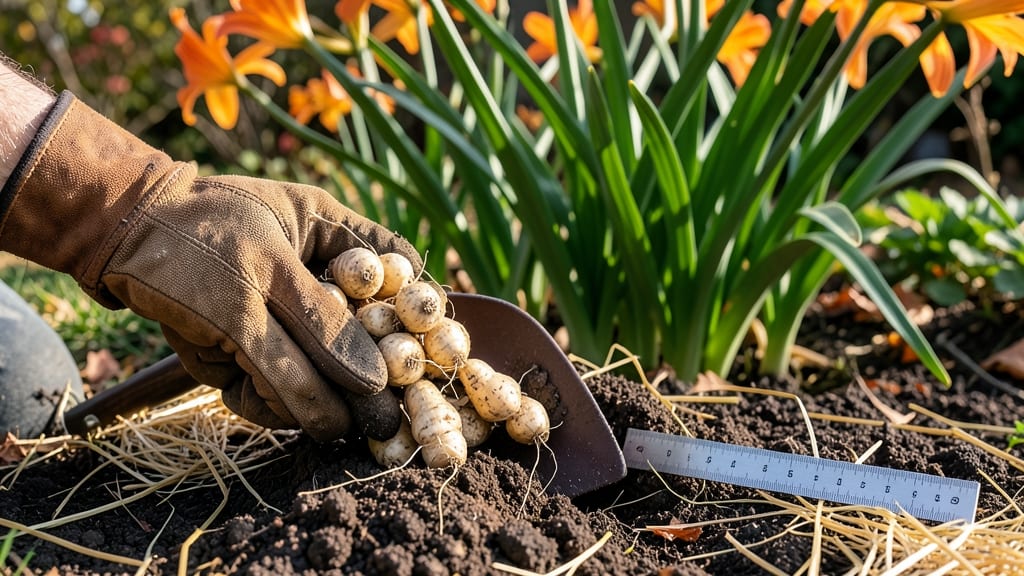
Planting daylily bulbs in Zone 5 at the wrong time can mean the difference between vibrant 🌸 blooms and frost-nipped disappointment. Unlike tropical plants, these hardy perennials need precise timing to establish roots before winter's bite—so getting it right is everything.
Most gardeners assume spring is the only option, but fall planting actually gives daylilies a head start in Zone 5's 150 frost-free days. The key lies in soil temperature and first-frost dates: aim for 60°F soil and plant 4-6 weeks before your area's average first frost in mid-October.
I'll break down exactly when to plant—whether you're working with spring's March-May window or fall's September-October opportunity—and how to prep your soil for maximum survival. No more guessing whether your daylilies will make it through winter.
You'll also discover how to spot the perfect planting moment using your local frost data, plus pro tips for extending the window with mulch. Let's get those daylily roots established the right way.
Optimal Zone 5 daylily planting times: spring vs fall breakdown
Zone 5 gardeners face a tough choice: plant daylilies in spring or early fall? The answer depends on your microclimate and soil temperature. Spring planting gives bulbs time to establish roots before summer heat, while fall planting lets them settle before winter dormancy.
Let’s break down the pros, cons, and exact timing for each approach.
Daylilies are actually rhizomes, not true bulbs, and they thrive when planted in well-draining soil with 6+ hours of sunlight. In Zone 5, where last frosts hit mid-May and first frosts arrive mid-October, timing is everything.
A single late frost can kill tender new growth, while planting too early in fall risks rot from lingering warmth.
Here’s the critical comparison to help you decide:
| Factor | Spring Planting (March–May) | Fall Planting (September–October) |
|---|---|---|
| Best Timeframe | After last frost (mid-May) or when soil hits 50°F+ | 6–8 weeks before first frost (by mid-September) |
| Root Establishment | Slower in cooler soil; needs consistent moisture | Faster in warm soil; benefits from fall rains |
| Frost Risk | High if planted too early; late frosts can kill new shoots | Low if planted early enough; mulch helps insulate roots |
| Bloom Time Next Year | Full blooms in first summer (June–August) | May bloom late summer if planted early fall |
| Best For Zone 5a vs 5b | 5a: Wait until late May; 5b: Early May is safer | 5a: Plant by early September; 5b: Up to mid-October |
For Zone 5a gardeners (colder microclimates), I recommend fall planting by early September. The cooler temperatures reduce rot risk, and rhizomes establish roots before winter. In Zone 5b, where summers are slightly warmer, spring planting in early May works well—just cover new growth if late frosts threaten.
Pro tip: Use a soil thermometer to confirm temperatures. Daylilies need soil at least 50°F to thrive. If your soil is colder, wait or use row covers to protect young plants. Mulching with straw or shredded leaves also extends the fall window by 2–3 weeks.
Remember, daylilies are perennials, so timing matters less for long-term survival than for that first year’s blooms. If you miss the ideal window, don’t panic—just adjust your watering and mulching strategies to compensate. We’ll cover troubleshooting in the next section!
🌱
Optimal Zone 5 daylily planting times: spring vs fall breakdown
Zone 5 gardeners often debate whether to plant daylilies in spring or fall, but the truth is both seasons work—if you follow the right timing. Spring planting gives bulbs a full growing season before winter, while fall planting lets them establish roots before dormancy.
The key difference? Soil temperature and frost risk.
For spring, aim to plant when soil reaches 60°F—typically late April to early May in most of Zone 5. Fall planting, however, requires planting 4-6 weeks before your area's first frost (usually September to early October). Missing this window risks frost damage before roots establish.
Here’s how the two seasons compare—plus how to adjust for Zone 5’s 5a vs 5b differences:
| Factor | Spring Planting | Fall Planting |
|---|---|---|
| Best Time | Late April–Early May | September–Early October |
| Soil Temp | 60°F+ | 50–60°F |
| Frost Risk | Low (post-last frost) | High (if planted too late) |
| Root Establishment | Full season | Partial (before dormancy) |
| Zone 5a Adjustment | Plant 2 weeks later | Plant 1 week earlier |
Zone 5a (colder) gardeners should push spring planting to May and fall planting to late August to avoid early frosts. Meanwhile, Zone 5b can extend fall planting into mid-October with a thick layer of mulch. Always check your local last frost date—even a few degrees matter for daylily survival.
Pro tip: Use a soil thermometer to confirm temps before planting. Daylilies planted in 50°F soil or colder risk rot, while 65°F+ soil speeds root growth. For fall plantings, aim for 50–60°F to balance establishment and frost safety.
Remember, daylilies are rhizomes, not true bulbs—plant them shallowly with the crown exposed (where roots meet leaves) for best results. This small detail makes all the difference in Zone 5’s variable climate.