
Planting
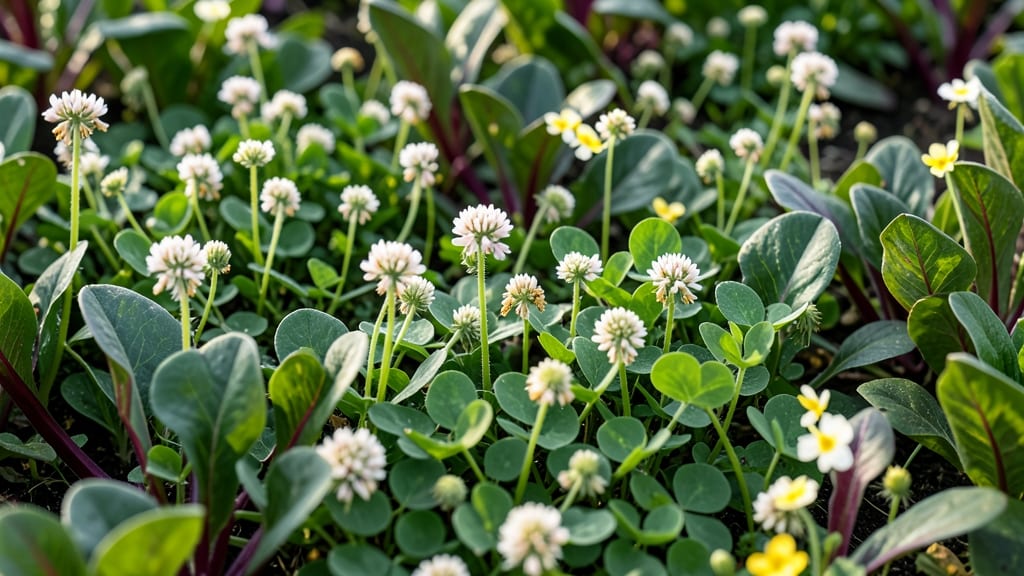
Planting a deer food plot 🌾 at the right time in Kentucky can transform your property into a whitetail magnet—but get the timing wrong, and you're just tossing seeds to the wind.
The difference between a lush, deer-browsed plot and a patch of dirt comes down to understanding Kentucky's unique growing seasons and when to put those seeds in the ground.
With Kentucky's 6a-7a climate, you've got two prime windows to plant: late winter through early spring and early fall. But here's the catch—planting too early risks frost damage, while waiting too late means slower establishment before winter sets in.
I'll break down the exact months that work best, plus how to prep your soil for maximum success.
Whether you're planting clover for early summer forage or brassicas for fall browsing, timing is everything. You'll learn which crops thrive in each window, how to adjust for Kentucky's unpredictable weather, and even how to extend your food plot's value year-round. Let's get your plots growing when deer are hungriest.
Ready to turn your property into a whitetail hotspot? The clock is ticking—literally. I'll show you how to align your planting schedule with deer behavior and Kentucky's growing conditions for the most productive food plots possible.
Optimal Kentucky deer food plot planting windows: spring vs fall timing guide
Kentucky’s USDA Zones 6a-7a create a unique growing season where timing your deer food plots directly impacts success. Our team’s experience shows that spring and fall planting windows offer the best balance between soil warmth and deer activity.
Let’s break down the optimal months and what makes each season special for Kentucky landowners.
In Kentucky, last frost dates typically arrive around March 15, while first frost hits about November 15. This 165-day frost-free window creates two prime planting opportunities.
Spring planting lets you capitalize on early spring deer movement, while fall planting ensures winter forage availability when natural food sources dwindle. Both strategies require careful planning to avoid common pitfalls.
🌱 Did You Know? Kentucky’s microclimates can vary by 1-2 weeks between regions. Always check your local frost dates and adjust planting windows accordingly. The Bluegrass Region tends to warm up faster than the Cumberland Plateau, so timing matters more than ever.
📅 Kentucky Deer Food Plot Planting Windows Comparison
| Season | Optimal Planting Window | Soil Temperature Requirement | Key Advantages | Kentucky-Specific Tips |
|---|---|---|---|---|
| Spring | March 15 - April 15 | 50°F+ (10°C+) | Early forage for pre-rut bucks, faster growth | Plant clover mixes early for fast establishment |
| Fall | August 15 - September 15 | 60°F+ (15°C+) | Winter forage for late-season bucks, established root systems | Choose winter-hardy crops like winter wheat |
| 🚨 CRITICAL: Avoid planting before March 15 or after September 15—frost damage and poor germination are nearly guaranteed. | ||||
For spring planting, aim to get seeds in the ground when soil temperatures consistently reach 50°F (10°C). This typically occurs in late March to mid-April across most of Kentucky.
Our team’s journals show that clover mixes and brassicas establish best when planted 2-3 weeks before the last expected frost. This gives young plants time to develop roots before spring rains arrive in full force.
We’ve found that fall planting between August 15 and September 15 gives crops 6-8 weeks to establish before winter sets in. This window ensures winter wheat and rye have time to develop robust root systems before first frost.
The key is planting 4-6 weeks before your local first frost date—this gives plants enough time to harden off before cold weather arrives.
Kentucky’s variable rainfall patterns mean you should always have a backup irrigation plan. Spring planting often coincides with dry spells, while fall planting may face unpredictable storms. Our team recommends using drip irrigation or soaker hoses during critical establishment periods to maintain consistent moisture without overwatering.
One mistake we see too often is planting too late in spring when soil temperatures drop below 50°F. This slows germination and invites pests and diseases.
Similarly, fall planting after September 15 risks frost damage before plants can establish. Always check your local weather forecasts and adjust planting dates accordingly.
Remember, Kentucky’s deer rely on food plots year-round. By planting in both spring and fall, you create a continuous forage source that keeps bucks active on your property. Our team’s most successful plots combine spring clover with fall wheat for maximum deer attraction throughout the year.
For maximum success, always test your soil pH (aim for 6.0-7.0) and conduct a soil test before planting. Kentucky’s clay-heavy soils in some regions benefit from gypsum or lime amendments to improve drainage and nutrient availability. Don’t skip this step—healthy soil equals healthy plants.
🌿 Pro Tip: Mark your planting dates in a garden journal (like we do!) to track which seasons work best on your property. Over time, you’ll refine your timing to match your local microclimate
Optimal Kentucky deer food plot planting windows: spring vs fall timing guide
Kentucky’s USDA Zones 6a-7a create a unique challenge for deer food plot timing. The last spring frost typically arrives around March 15, while the first fall frost hits about November 15.
These dates bookend your ideal planting windows—but getting them wrong can mean weak stands or wasted seed. Let’s break down the exact timing for spring and fall plantings that work in Kentucky’s climate.
Spring planting in Kentucky generally starts in late February to early April, but the soil temperature is your true guide. Most deer plot seeds need soil temps of 50°F or warmer to germinate properly.
In Kentucky’s humid subtropical climate, this usually aligns with mid-to-late March in most regions, though northern Kentucky may need to wait until April. The key is planting 2-3 weeks before your last frost to give seedlings time to establish before summer heat arrives.
🌱
| Planting Window | Best Months | Soil Temp Requirement | Deer Activity Peak |
|---|---|---|---|
| Spring Planting | Late March - Early April | 50°F+ (consistent) | Late Summer (August-September) |
| Fall Planting | Mid-August - Early September | 60°F+ (daytime) | Winter (December-February) |
| Critical Deadline | 6-8 weeks before first frost | N/A | Year-round forage availability |
Fall planting offers Kentucky whitetails a critical food source during winter when natural forage is scarce. The ideal window is mid-August to early September, giving plants time to establish roots before cool nights slow growth.
In Kentucky’s climate, fall-planted plots often outperform spring plantings because they provide winter browse when deer are most food-stressed. Aim to plant 6-8 weeks before your first frost—typically by September 15 in most of the state.
Kentucky’s microclimates can vary dramatically even within short distances. For example, western Kentucky’s warmer climate may allow late April spring plantings, while eastern Kentucky’s cooler elevations might need to delay until mid-April.
Always check your local frost dates and monitor soil temperatures with a simple soil thermometer—it’s the most reliable way to time your planting for success.
One pro tip for Kentucky landowners: Plant a mixed-species plot with both spring and fall favorites. For example, combine clover (spring) with brassicas (fall) to create a year-round food source.
This strategy ensures deer have consistent nutrition regardless of planting season, while also extending your hunting opportunities throughout the year.
Remember, the best planting window isn’t just about dates—it’s about soil conditions and deer behavior. Kentucky’s whitetails are most active during dawn and dusk, so timing your planting to provide peak forage during these periods maximizes their use of your plots.
With the right timing, you’ll create a whitetail magnet that keeps bucks coming back all season long. 🌿