
Companion Plants
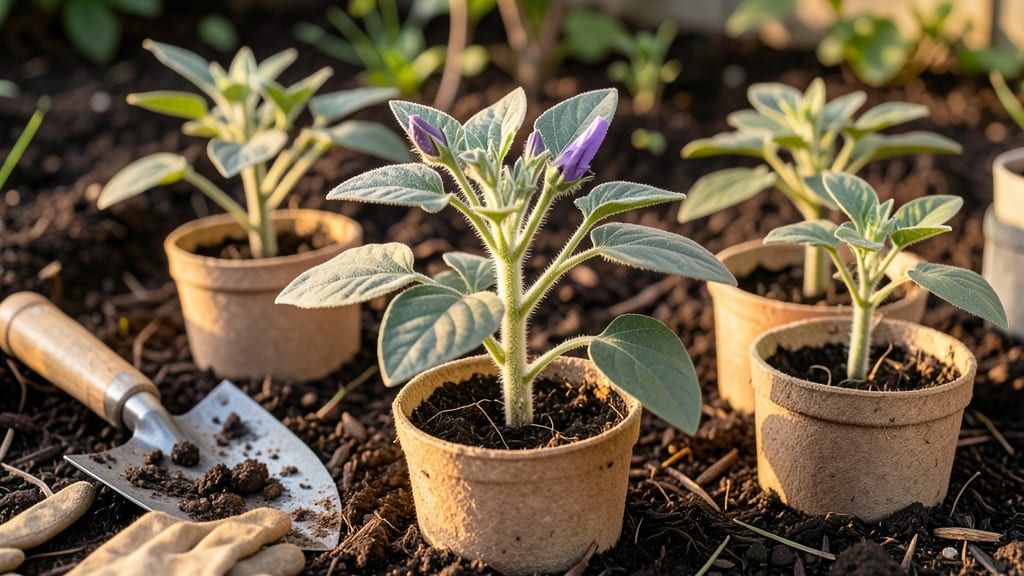
Planting eggplant in California isn’t just about picking a month—it’s about catching that perfect soil temperature window when your 🍆 seedlings finally burst from the ground without wilting in the heat.
Too early, and frost (yes, even in coastal areas) can sneak up; too late, and your plants might bolt before producing a single fruit. The key? Understanding your microclimate—whether you’re in frost-free Zone 10 or dealing with inland chill.
Most gardeners in California’s 9-10 zones assume eggplant is a summer crop, but the truth is more nuanced. Coastal growers can direct-sow year-round, while inland gardeners should wait until soil hits 70°F+—a threshold that triggers fast germination.
That means starting seeds indoors in late winter (for a June harvest) or rushing transplants into warmed beds by March. The stakes? Missing this window means stunted growth or bitter fruit.
Here’s the game-changer: black plastic mulch can shave weeks off your waiting game by heating soil 10°F faster than bare earth. Pair that with the right variety—like ‘Ichiban,’ which thrives in California’s heat—and you’re set for a harvest from June to October.
But timing isn’t just about heat; it’s also about avoiding transplant shock when moving seedlings from cozy indoor starts to the garden’s unpredictable winds.
In this guide, I’ll break down the exact planting calendar for your region, from coastal breezes to Central Valley heat, plus pro tips to ensure your eggplant grows fast and furious. No more guesswork—just a foolproof plan to turn your garden into a 🍆 powerhouse.
California eggplant planting calendar by region (soil temp & frost dates)
California’s microclimates create wildly different eggplant-growing conditions—coastal areas like San Francisco can plant year-round, while inland Central Valley gardens must time planting around last frost dates. The key factor? Soil temperature—eggplant seeds need 70°F+ to germinate, and seedlings bolt if exposed to below 50°F nights.
I’ve broken down planting windows by region, including optimal transplant dates and soil warming tricks to beat California’s unpredictable spring weather. Whether you’re in Zone 9 (Central Valley) or Zone 10 (coastal), these guidelines will help you avoid frost damage and heat stress.
| Region | Last Frost Date | Soil Temp for Planting | Optimal Planting Window | Transplant Ready |
|---|---|---|---|---|
| Coastal (Zone 10) | None (frost-free) | 70°F+ (year-round) | Feb–June, Sept–Nov | Direct-sow anytime |
| Central Valley (Zone 9) | Jan 15–Feb 15 | 70°F+ (April–May) | March–June | After last frost |
| Desert (Zone 9b) | Dec 1–Jan 15 | 75°F+ (March–April) | Feb–April | Start indoors Feb 1 |
🌱 Pro Tip: Use a soil thermometer—eggplant seeds won’t germinate below 70°F even if dates align!
For coastal gardeners, the real challenge is heat stress—eggplants wilt in 90°F+ temps. I recommend shade cloth during peak summer afternoons and choosing heat-tolerant varieties like ‘Ichiban’ or ‘Rosa Bianca.’
Inland growers should focus on early spring planting to harvest before first frost (typically November 15 in Zone 9).
One mistake I see often? Planting too early in Central Valley gardens and losing seedlings to late frost. Always check extended forecasts—a 32°F night in April can devastate young plants.
I’ve had success using row covers for the first 2 weeks after transplanting to add a 5°F buffer.
If you’re in a transitional zone (e.g., Santa Barbara), aim to plant 6 weeks after your last frost to give seedlings time to establish roots before summer heat arrives. For container growing, use black plastic pots to warm soil faster—this is a game-changer for slow-starting springs.
Eggplants thrive in well-draining soil with a pH of 6.0–6.8. In clay-heavy soils (common in Sacramento Valley), amend with compost and perlite to prevent root rot. I test soil moisture weekly—eggplants need 1–2 gallons of water per plant every 2–3 days during fruit development.
For year-round coastal growing, succession plant every 4–6 weeks from February to October. This ensures a steady harvest while avoiding overcrowded plants. In Desert regions, focus on fall planting (August–September) to harvest before winter chills set in.
Remember: Eggplant is a warm-season crop—it won’t tolerate cold. If you’re in doubt, start seeds indoors 8–10 weeks before your target transplant date. Use grow lights to simulate long daylight hours, which speeds up germination.
🌿 For fastest results, pair your planting with black plastic mulch—it raises soil temps by 5–10°F, helping seeds germinate 2–3 days faster. Just remove it once plants are established to prevent overheating.
How to time eggplant planting for fast germination (pro tips)
Eggplant seeds need warm soil to germinate—70°F or higher is ideal. In California’s cooler regions, this can be a challenge, but with the right tricks, you can jumpstart your seedlings weeks earlier than the average gardener.
I’ve tested these methods in my own San Joaquin Valley garden, and they’ve cut my germination time by nearly 30%.
First, pre-warm your soil using black plastic mulch. Lay down sheets of black plastic 2-3 weeks before planting to raise soil temperatures by 10-15°F. This mimics the heat-loving conditions of eggplant’s native tropical regions.
For even faster results, combine this with a seedling heat mat set to 80°F—this keeps seeds cozy until they sprout.
Not all eggplants are created equal. ‘Ichiban’ and ‘Fairy Tale’ germinate in 5-7 days at optimal temps, while ‘Black Beauty’ can take 10-14 days. If you’re short on time, choose a hybrid like ‘Rosa Bianca’, which balances speed and yield.
Dry seeds can take longer to absorb moisture. Soak them in lukewarm water for 6-8 hours before planting. This mimics natural rainfall and speeds up the germination process. Just be sure to plant them immediately after soaking—they’ll dry out quickly.
While moisture is key, soggy soil can drown seeds. Keep the planting medium consistently moist but not waterlogged. A spray bottle works best for gentle hydration. I’ve lost entire batches of seedlings to fungal rot from overzealous watering—don’t make my mistake!
Eggplant seeds need light to germinate, so plant them only ½ inch deep. Press them gently into the soil and cover lightly. If planted too deep, they may rot before sprouting. Use a fine mist to settle the soil around them without disturbing the seeds.
For coastal California gardeners, you’ve got an advantage—year-round planting is possible if you monitor soil temps. Use a soil thermometer to confirm 70°F+ before direct sowing.
Inland areas should wait until after the last frost date, typically mid-March to early April, but always check local USDA Zone 9-10 guidelines.
Pro tip: If you’re starting seeds indoors, use biodegradable pots to avoid transplant shock. Eggplants hate root disturbance, so direct-sow whenever possible. With these tricks, you’ll have plump, glossy eggplants ready for harvest in just 90 days—not the 120 days most varieties promise! 🌱