
Plants
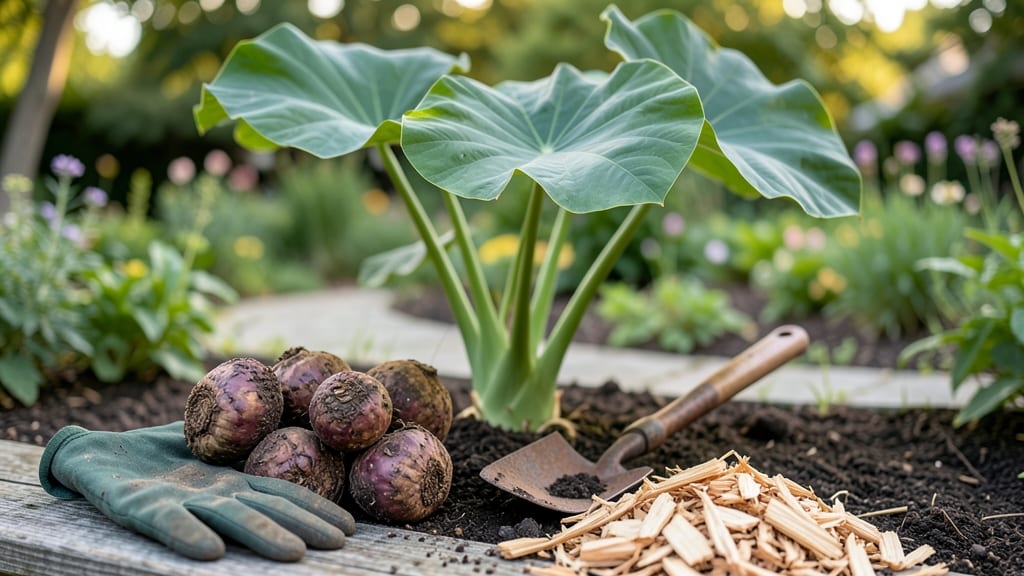
Planting elephant ear bulbs in Texas isn't just about dropping them in the dirt—it's about catching that narrow window between freezing nights and scorching heat. Miss the mark, and your stunning 🌿 foliage might never make it past the first frost or wilt before summer's peak.
The key lies in understanding your specific heat zone, because what works in Houston won't survive a Dallas winter.
Here's the game-changer: most Texas gardeners should aim for March through May planting, but your exact timing depends on whether you're in frost-prone North Texas (like Amarillo) or balmier South Texas (like Corpus Christi).
We'll break down the precise deadlines so you can plant with confidence, avoiding both early rot and late-season struggles.
Why does this matter? Because unlike annuals, elephant ears return every year—if you give them the right start. I'll show you how to read your local frost dates, adjust for microclimates, and even extend your growing season with simple tricks that work in Texas's unpredictable climate.
Ready to grow elephant ears that thrive year after year? Let's dive into the exact planting schedule tailored for your corner of Texas, because getting this right means bigger, healthier plants with less work—and more dramatic foliage to show for it.
Texas heat Zone planting deadlines for elephant ear bulbs
Texas spans USDA Heat Zones 8a through 10b, meaning your exact planting window depends on whether you're in freeze-prone North Texas or mild South Texas.
In Zone 8a (e.g., Amarillo), last frosts can linger until March 15, while Zone 10b (e.g., Brownsville) may see frost-free conditions year-round. Elephant ear bulbs (Colocasia spp.) thrive when planted 2–4 weeks after your area’s last frost, but timing is critical—plant too early, and roots will rot in cold soil; too late, and your plants may struggle in summer’s brutal heat.
For most Texans, the ideal planting window falls between mid-March and early May.
However, gardeners in East Texas (Zone 8a-9a) should wait until after April 15 to avoid spring freezes, while those in West Texas (Zone 8a-9b) can start as early as mid-February if nights stay above 50°F (10°C).
Always check your local frost-free date using the USDA Plant Hardiness Zone Map or your Cooperative Extension Service for precision.
Here’s how to translate USDA Heat Zones into actionable planting dates for your region:
| USDA Heat Zone | Texas Regions | Last Frost Date | Planting Window | Notes |
|---|---|---|---|---|
| 8a | North Texas (Amarillo, Lubbock), Panhandle | Feb 15 – Mar 15 | Mid-April – Early May | Wait until soil warms to 60°F (15°C) |
| 8b | Dallas-Fort Worth, Waco, San Angelo | Mar 1 – Mar 15 | Late March – Early April | Use black plastic mulch to warm soil faster |
| 9a | Austin, San Antonio, College Station | Feb 15 – Mar 1 | Early March – Mid-April | Can plant as early as February in microclimates |
| 9b | Houston, Corpus Christi, Midland | Jan 15 – Feb 15 | Late February – Early March | Frost risk minimal; prioritize heat tolerance |
| 10a-10b | Brownsville, Laredo, Deep South Texas | None (year-round growing) | Year-round (peak: Feb–May) | Focus on shade and consistent moisture |
If you’re unsure about your exact last frost date, use the 32°F (0°C) threshold as your guide—elephant ear bulbs cannot tolerate freezing soil.
For North Texas gardeners, consider starting bulbs indoors in late January under grow lights, then transplant after April 15 when nighttime temps stay above 55°F (13°C).
In South Texas, where frost is rare, you can plant anytime after January 1, but summer planting (June–July) requires extra shade and daily watering to prevent heat stress.
Pro tip: Test your soil temperature before planting—use a soil thermometer to confirm it’s at least 60°F (15°C) at a 4-inch depth. Cold soil slows root growth and increases rot risk.
If your soil is still chilly, mulch heavily with straw or use black plastic mulch to accelerate warming. In Zone 8a–9a, this can shave 2–3 weeks off your planting timeline.
For container growing, which is ideal for urban Texans or those with limited garden space, you can plant 1–2 weeks earlier than ground planting because pots warm up faster.
Choose large containers (18+ inches wide) with drainage holes and use a lightweight potting mix amended with perlite or vermiculite to prevent compaction. Move containers to protected microclimates (e.g., near south-facing walls) to extend your growing season.
One common mistake I see is planting elephant ear bulbs too deep. These tropical plants have thick, fleshy rhizomes that need to sit just below the soil surface—burying them too deep suffocates the plant.
Aim to place the top of the bulb 1–2 inches below soil level, with the buds facing upward. In sandy soils (common in West Texas), add 2–3 inches of compost
Texas heat Zone planting deadlines for elephant ear bulbs
Texas spans USDA Heat Zones 8a to 10b, creating a tricky balance for tropical elephant ear bulbs. In North Texas (8a-9a), last frosts can linger until March 15, while South Texas (9b-10b) often sees frost-free conditions by February 15.
Planting too soon risks bulb rot from lingering cold, but waiting too long means your plants won’t establish before summer’s brutal heat.
For optimal growth, aim to plant 4-6 weeks after your average last frost date. This gives roots time to establish before Texas’ scorching summers (often hitting 100°F+ by June).
In Zone 8a, that means waiting until late April, while Zone 10b gardeners can plant as early as mid-February.
Pro Tip: Use the USDA Plant Hardiness Zone Map to pinpoint your exact zone. Enter your ZIP code on their interactive tool to see your last frost date and calculate your perfect planting window.
| USDA Zone | Last Frost Date | Ideal Planting Window | Notes |
|---|---|---|---|
| 8a (North TX) | March 15 | Late April - Early May | Use mulch for winter protection |
| 9a (Central TX) | March 1 | Mid-March - April | Can plant earlier with row covers |
| 9b-10b (South TX) | February 15 | Mid-February - March | Watch for spring heat stress |
If you’re in Zone 8a or 9a, consider starting bulbs indoors 6-8 weeks before your target planting date. Use grow lights to simulate spring conditions, then transplant outdoors once soil warms to 60°F+.
For containers, wait until after May 1 to avoid early-morning chills that can damage tender foliage.
Heat Zone Hack: In South Texas (Zones 9b-10b), plant Alocasia varieties like ‘Polly’ or ‘Dragon Scale’—they handle 100°F+ heat better than traditional Colocasia. These stay lush when elephant ears wilt in mid-summer heat.
After planting, mulch heavily (3-4 inches) with straw or pine bark to regulate soil temperature. This keeps roots cool in summer and warm in winter, extending your elephant ear season by 4-6 weeks in marginal zones.