
Plants
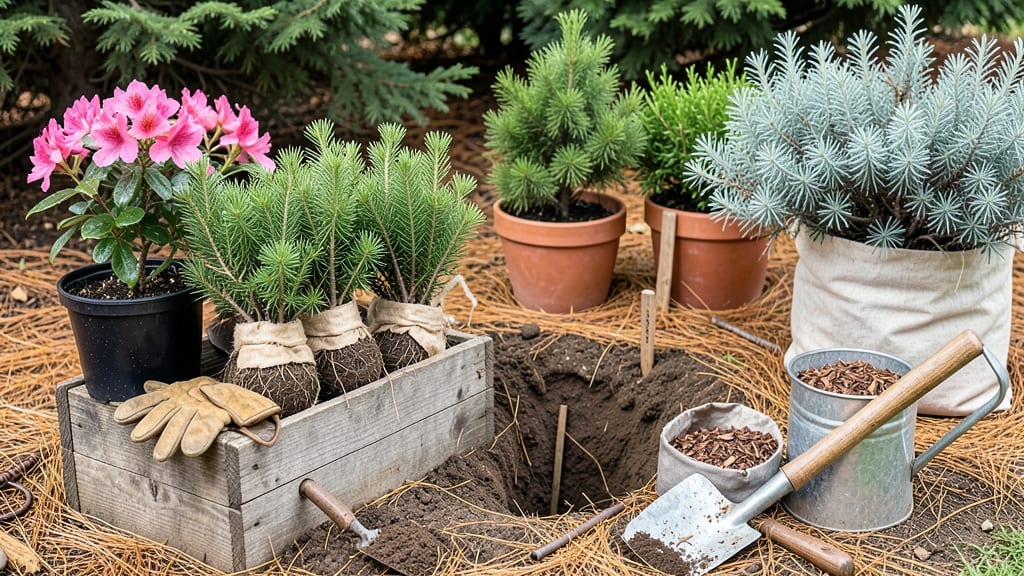
Planting evergreens in Zone 6 at the wrong time can mean the difference between a lush, thriving 🌲 and one that struggles to survive winter.
The key to success lies in understanding when your region's soil is just right—neither too hot nor too cold—for these hardy plants to establish strong roots.
Most gardeners in Zone 6 (General) know fall and early spring are the best windows, but timing matters more than you might think. Planting too early in spring risks frost damage, while waiting too late in fall can leave roots vulnerable before winter sets in.
I’ll show you exactly when to dig in for maximum survival and growth.
Whether you're planting shrubs, trees, or ground covers, the right timing ensures your evergreens take hold before the first frost hits around October 15. We’ll also cover how container planting might shift your schedule and what to watch for in your specific microclimate.
Ready to give your evergreens the best start? Let’s break down the science—and the simple tricks—so you can plant with confidence, whether you’re a beginner or a seasoned gardener.
Optimal planting windows for evergreens in Zone 6 by species type
Choosing the right time to plant evergreens in Zone 6 depends on whether you're working with needle evergreens (like spruces or pines) or broadleaf evergreens (like rhododendrons or boxwoods).
Both types thrive when planted during their active growth windows, but their ideal timing differs slightly due to root development needs.
For needle evergreens, the best planting window is late fall (September-October) or early spring (March-April). These plants benefit from cooler temperatures, which reduce transplant shock and allow roots to establish before winter dormancy or summer heat stress.
Broadleaf evergreens, however, are slightly more flexible. They can handle fall planting until mid-November or spring planting as soon as the soil thaws. The key is ensuring the soil temperature stays above 40°F (4°C)—cold soil can stunt root growth and leave plants vulnerable to winter dieback.
Here’s how to match your evergreen type to the perfect planting window:
| Evergreen Type | Ideal Planting Window | Soil Temp Threshold | Frost Risk | Root Establishment Time |
|---|---|---|---|---|
| Needle Evergreens (Spruces, Pines, Firs) | Late Fall (Sep-Oct) or Early Spring (Mar-Apr) | 45°F (7°C) minimum | High in late fall; low in spring | 6-8 weeks before first frost |
| Broadleaf Evergreens (Rhododendrons, Boxwoods, Holly) | Fall (Aug-Nov) or Spring (Apr-May) | 40°F (4°C) minimum | Moderate in fall; none in spring | 4-6 weeks before first frost |
| Dwarf Evergreens (Miniature Junipers, Dwarf Azaleas) | Spring (Apr-May) only | 50°F (10°C) minimum | Low (small size = less frost damage) | 3-4 weeks before summer heat |
🌱 Pro Tip: Always check your last frost date—Zone 6 typically ranges from April 15 to May 1, but microclimates vary!
If you’re planting in fall, aim to finish by 6 weeks before the first frost. This gives roots time to anchor before winter dormancy. For spring planting, wait until the soil is workable (not muddy) and the risk of hard frosts has passed.
Evergreens planted in containers have slightly different timing needs. Container-grown plants can handle spring planting up to June, as their root systems are less sensitive to late-season disturbances. However, bare-root evergreens must be planted in dormant seasons (fall or early spring) to avoid root desiccation.
One common mistake is planting evergreens in mid-summer (June-August). The intense heat and limited rainfall can cause transplant shock, where the plant’s roots struggle to adapt. If you must plant in summer, choose shade-tolerant varieties like Inkberry Holly or Dwarf Yew, and mulch heavily to retain moisture.
For Zone 6 gardeners, the absolute best time is September. Cooler temps, higher humidity, and consistent rainfall create ideal conditions for root growth. Plus, you’ll avoid the drought stress of summer and the frost damage of late fall.
Always test your soil moisture before planting. Evergreens hate soggy roots, so amend heavy clay with compost or sand to improve drainage. A quick percolation test (dig a 12-inch hole, fill with water, and time how long it drains) will tell you if your soil is ready.
Zone 6 evergreen planting calendar: month-by-month survival guide
In Zone 6, evergreens thrive when planted during their optimal growth windows—just before winter dormancy or after soil thaws. The USDA Zone 6 frost dates (average October 15 first frost and April 15 last frost) create a tight window for success.
Let’s break down the best months for planting, including soil temperature thresholds and moisture needs to keep your evergreens healthy year-round.
Your Zone 6 microclimate plays a huge role—sheltered spots may extend planting into late fall, while exposed areas demand earlier timing. For container-grown evergreens, timing shifts slightly since roots won’t face the same ground temperature fluctuations.
Always check your local extended weather forecasts 2 weeks before planting to avoid surprises.
| Month | Soil Temp (°F) | Planting Window | Key Considerations |
|---|---|---|---|
| March | 40-50°F | Early Spring | Soil thawed; avoid frost pockets |
| April | 50-60°F | Ideal Spring | Warm soil; consistent rainfall |
| September | 60-70°F | Early Fall | 6+ weeks before frost; mulch heavily |
| October | 50-60°F | Late Fall | 4-6 weeks before frost; avoid drought |
| November | 40-50°F | Risky | Only for hardy species; protect from wind |
Spring planting (March-April) gives evergreens 6-8 weeks of warm soil before summer heat sets in. Focus on needle evergreens like spruces and pines—they establish roots faster in cooler spring temperatures. For broadleaf evergreens (e.g., rhododendrons), spring planting reduces transplant shock by avoiding winter stress.
Fall planting (September-October) is ideal because evergreens enter dormancy naturally, conserving energy for root growth. Aim to plant 4-6 weeks before your first frost—this gives roots time to knit before winter. Mulch 3-4 inches deep after planting to insulate roots and retain moisture.
In Zone 6b (colder microclimates), push planting to early September to avoid early frosts.
Adjust your watering schedule based on the month: spring needs deep weekly watering to encourage root spread, while fall should taper to bi-weekly as temperatures drop. Avoid planting evergreens in containers after mid-October—their roots can’t regulate temperature like in-ground plants, increasing frost risk.
If you miss the ideal windows, container planting extends your flexibility. Bare-root evergreens can handle late fall planting (November) if kept in pots and moved to a sheltered spot until spring. Just ensure the root ball stays moist and protected from freezing winds.