
Flowers
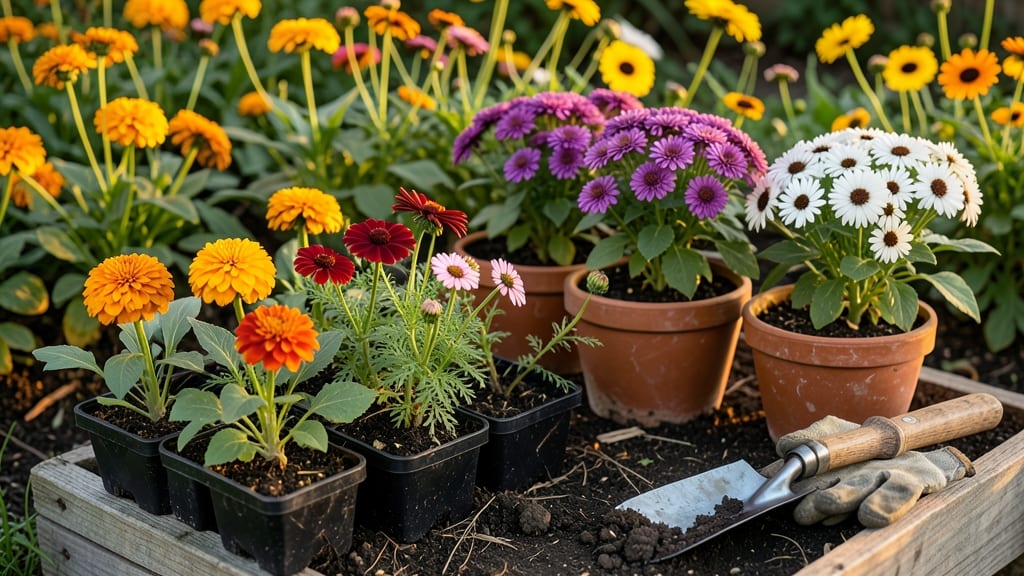
Planting fall flowers in Georgia can transform your yard into a vibrant canvas—but timing is the key to avoiding frost damage and maximizing those 🌼 blooms all season. If you wait too late, a sudden chill can turn your hard work into a sad, wilted mess.
Georgia’s 7b-8b zones give you a 6-week window (late August to early October) to get it right, but not all flowers play by the same rules. Some, like chrysanthemums, thrive when planted in September, while others, such as pansies, can handle a late-October start.
I’ve learned the hard way that rushing or delaying can mean the difference between a garden bursting with color and one that barely survives the first frost. Let me show you exactly when to plant each variety—and how to protect them once they’re in the ground.
From soil prep to mulching tricks, I’ll cover everything you need to know to keep your fall flowers blooming until November, even when the nights get crisp. Ready to turn your yard into a showstopper?
Georgia planting zones & fall flower deadlines by month
Georgia’s diverse USDA zones 7a-8b create a unique window for fall flower planting that extends from late summer into early October. The key is planting 6-8 weeks before your first frost date—typically mid-November in most of the state—to ensure blooms before winter sets in.
For North Georgia (Zone 7a), aim for late August to early September, while South Georgia (Zone 8b) gardeners have until early October.
Timing isn’t just about the calendar—it’s also about soil temperatures. Cool-season flowers like pansies and snapdragons thrive when soil temps drop below 75°F. In Atlanta (Zone 7b), this usually happens by mid-September, making that the ideal window to start planting.
Meanwhile, Savannah (Zone 8a) can wait until early October without risking frost damage.
Here’s the critical month-by-month breakdown for Georgia’s fall planting season, tailored to your specific zone:
| Month | USDA Zone 7a (North GA) | USDA Zone 7b (Central GA) | USDA Zone 8a (South GA) | USDA Zone 8b (Coastal GA) |
|---|---|---|---|---|
| Late August | ✅ Best for hardy varieties (chrysanthemums, asters) | ✅ Ideal for pansies, snapdragons | ⚠️ Early start; monitor soil temps | ❌ Too early; wait 2 weeks |
| Early September | ✅ Peak window for most flowers | ✅ Perfect timing for all varieties | ✅ Best month for coastal areas | ✅ Safe for all frost-tolerant flowers |
| Mid-September | ⚠️ Last chance for fast growers | ✅ Still ideal for most varieties | ✅ Safe for late bloomers | ✅ Best for coastal gardeners |
| Early October | ❌ Risk of early frost | ⚠️ Only for fast-growing varieties | ✅ Last safe window | ✅ Still safe for most flowers |
| Mid-October | ❌ Avoid; frost likely | ❌ Too late for blooms | ⚠️ Only for microclimates | ⚠️ Risky; monitor forecasts |
🌼 Pro Tip: Use a frost date calculator for your exact location—local variations can shift deadlines by 1-2 weeks.
For North Georgia gardeners, focus on fast-growing varieties like pansies and sweet alyssum if you plant in late September. These can often bloom within 4-6 weeks, giving you color before frost.
In South Georgia, you have more flexibility—even early October can work for chrysanthemums and snapdragons, which tolerate cooler temps better.
Don’t overlook microclimates in your area. Urban heat islands (like Atlanta’s downtown) can delay frost by 1-2 weeks compared to rural areas. If you’re unsure, plant a few test flowers in late September
Georgia planting zones & fall flower deadlines by month
Georgia’s USDA zones 7a-8b create a perfect window for planting fall flowers—but timing varies by region. In North Georgia (7a), aim for late August to early September to beat the first frost (typically mid-November).
Meanwhile, South Georgia (8b) gardeners have until early October before cooler temps arrive. Understanding these deadlines ensures your flowers bloom before winter sets in.
For chrysanthemums and asters, plant 6-8 weeks before frost—this means mid-September for most of Georgia. Pansies and snapdragons, which handle light freezes, can go in as late as early October. Missing these windows risks stunted growth or frost damage, so mark your calendar!
🌼 Georgia Fall Flower Planting Deadlines by Zone
| Zone | Ideal Planting Window | Best Flowers for This Time | First Frost Risk |
|---|---|---|---|
| 7a (North GA) | Late August - Early September | Chrysanthemums, Asters, Pansies | Mid-November |
| 7b (Central GA) | Early September - Mid-September | Snapdragons, Calendulas, Sweet Alyssum | Late November |
| 8a (South GA) | Mid-September - Early October | Marigolds, Zinnias, Stock | Early December |
| 8b (Coastal GA) | Early October | Pansies, Sweet Williams, Violas | Mid-December |
Pro tip: Check your local last frost date using the Georgia Climate Project or your county extension office. Even a 1-2 week delay can mean the difference between full blooms and frost-nipped petals.
For example, Athens (7b) typically sees frost by November 15, while Savannah (8b) might hold off until December 1.
If you’re in a microclimate (like a sheltered urban garden or hillside plot), you may push planting 1-2 weeks later. Test your spot by placing a frost-sensitive plant (like basil) outside at night—if it survives, you’ve got extra time!
For container gardening, plant 2-3 weeks earlier than in-ground flowers since pots cool faster. Use black plastic mulch to warm soil and extend the season by 10-14 days. This trick works wonders for cool-season flowers like pansies and snapdragons.
Remember: The goal is to give your flowers 6-8 weeks of growth before frost. With the right timing, you’ll enjoy vibrant blooms from September through November—long after summer annuals have faded. 🌸