
Planting
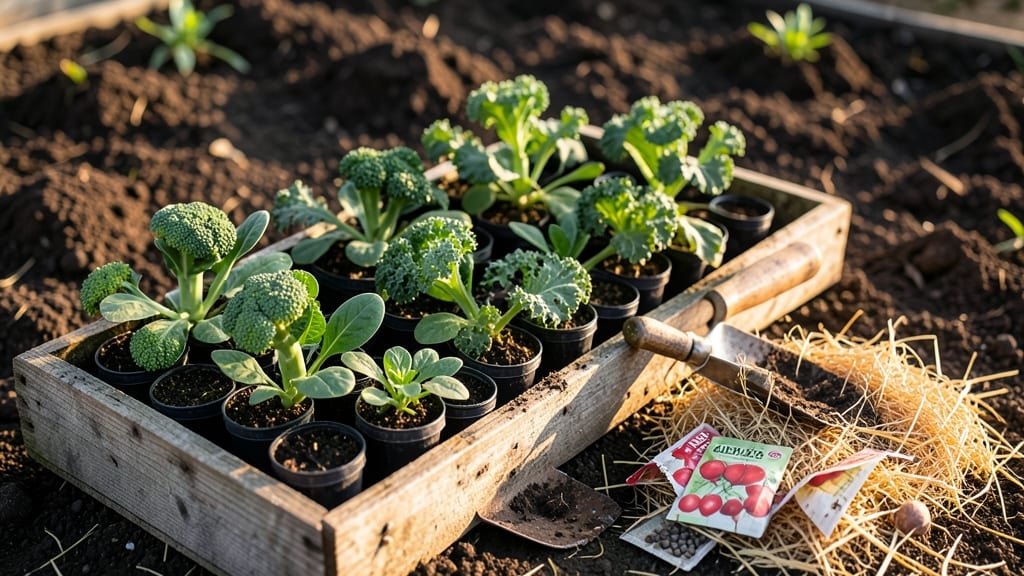
Planting a fall garden in Central Texas isn't just about timing—it's about outsmarting the heat and making sure your crops thrive when temperatures start to drop.
The key is knowing exactly when to sow seeds or transplant seedlings, because waiting too long means missing the window for your favorite cool-season vegetables.
If you've ever struggled with bolted lettuce or stunted broccoli, you're not alone. Central Texas gardeners face unique challenges, from 85°F soil in August to the first frost creeping in by November.
But with the right strategy, you can grow a bounty of greens, roots, and brassicas that taste sweeter after a light frost.
I've spent years testing planting schedules in this region, and what works for one heat zone might fail just a few miles away. Whether you're in Austin, Waco, or San Antonio, this guide will give you the month-by-month breakdown you need to plant with confidence.
From choosing heat-tolerant varieties to adjusting for urban microclimates, we'll cover everything so your fall garden doesn't just survive—it thrives. Let's get started on your path to a harvest-filled autumn.
Central Texas heat zones: when to plant fall vegetables by month
Central Texas gardeners face unique challenges with its hot summers and variable fall temperatures. The key to a successful fall garden lies in understanding your USDA heat zone (typically 8a–9b) and aligning planting with cool-season crop thresholds.
Most Central Texas areas experience their first frost between November 15–December 15, but urban areas often frost earlier due to heat island effects.
For cool-season vegetables like kale, broccoli, and carrots, soil temperatures should drop below 80°F but stay above 50°F for optimal germination. Planting too early in August risks bolting, while waiting until October may expose crops to frost before maturity. Timing is everything!
Here’s a month-by-month breakdown tailored to Central Texas heat zones, including ideal planting windows and temperature guidelines to maximize your harvest before winter sets in.
| Month | Heat Zone (8a-9b) | Ideal Planting Window | Soil Temp (°F) | Key Crops |
|---|---|---|---|---|
| August | 8a-9b | Late August (after 8/20) | 70-80°F | Heat-tolerant greens (collards, Swiss chard), bush beans |
| September | 8a-9b | Early to mid-September | 65-75°F | Broccoli, cabbage, carrots, lettuce, radishes |
| October | 8a-9b | Early October (before 10/15) | 60-70°F | Spinach, Brussels sprouts, kale, turnips, peas |
| November | 8a-9b | Late November (hardy crops only) | 50-60°F | Garlic, onions, cold-hardy greens (kale, collards) |
🌱 Pro Tip: Use row covers to extend planting into late October for frost-sensitive crops.
Urban gardeners in Austin or San Antonio may experience earlier frosts due to concrete heat retention. Monitor local weather forecasts and adjust planting dates accordingly. For rural areas, you might push planting 1–2 weeks later thanks to cooler nighttime temperatures.
If you’re planting transplants (like broccoli or cabbage), start them indoors in late July to have hardened-off seedlings ready for early September planting. This head start ensures they establish roots before fall temperature drops.
For direct-sown seeds, such as radishes or lettuce, wait until soil temps fall below 80°F (usually mid-to-late August). Test soil temperature with a soil thermometer—it’s the most accurate way to avoid bolting or poor germination.
Remember, Central Texas falls can be unpredictable. Even if the forecast calls for warm days, nights may dip into the 40s°F, stressing young plants. Use mulch to insulate soil and protect tender roots from temperature swings.
By aligning your planting schedule with these heat zone guidelines, you’ll give your fall garden the best shot at thriving before winter arrives. Next, we’ll dive into the best crops for Central Texas falls and their exact planting timelines to maximize your harvest.
Best fall crops for Central Texas and their exact planting timelines
Central Texas gardeners know that fall brings cooler temperatures and longer days—perfect for growing cool-season crops. But timing is everything. Planting too early in the heat or too late before frost can ruin your harvest.
I’ve tested these top-performing fall crops in my own garden, and I’ll share the exact planting windows that work best for Central Texas’ USDA Zones 8a–9b.
For fast-growing crops like lettuce and radishes, aim for early September sowing. These varieties mature in 30–45 days, so they’ll be ready before the first frost. Meanwhile, slow-growing crops like Brussels sprouts and broccoli need to go in by mid-August to establish strong roots before winter slows them down.
| Crop | Planting Window | Days to Maturity | Spacing |
|---|---|---|---|
| Lettuce | Late Aug–Early Oct | 30–50 days | 6–12 inches apart |
| Spinach | Mid-Sept–Early Oct | 40–50 days | 4–6 inches apart |
| Broccoli | Mid-Aug–Early Sept | 60–80 days | 18–24 inches apart |
| Brussels Sprouts | Early Aug–Mid-Sept | 85–100 days | 12–18 inches apart |
| Carrots | Late Aug–Early Sept | 60–80 days | 2–3 inches apart |
Don’t forget about herbs and flowers! Cilantro and parsley thrive in cooler weather and can be sown as late as October. For flowers, try pansies and snapdragons, which add color to your fall garden while attracting pollinators.
These plants love the mild Central Texas fall temperatures and can handle light frosts.
When prepping your soil, focus on adding compost to improve drainage and fertility. Central Texas soil can get compacted in the summer, so till in 2–3 inches of compost before planting. For heavy clay soils, mix in sand or perlite to help roots establish faster.
Pro tip: Use row covers if you’re planting late in the season. They protect young seedlings from unexpected early frosts while still allowing sunlight and air circulation. I’ve used them for spinach and lettuce in October and extended my harvest by 2–3 weeks.
Finally, keep an eye on your watering schedule. Fall mornings can be cooler, but soil still needs consistent moisture. Water deeply 2–3 times per week to encourage strong root growth. Avoid overhead watering in the evening to prevent fungal diseases like powdery mildew.