
Plants
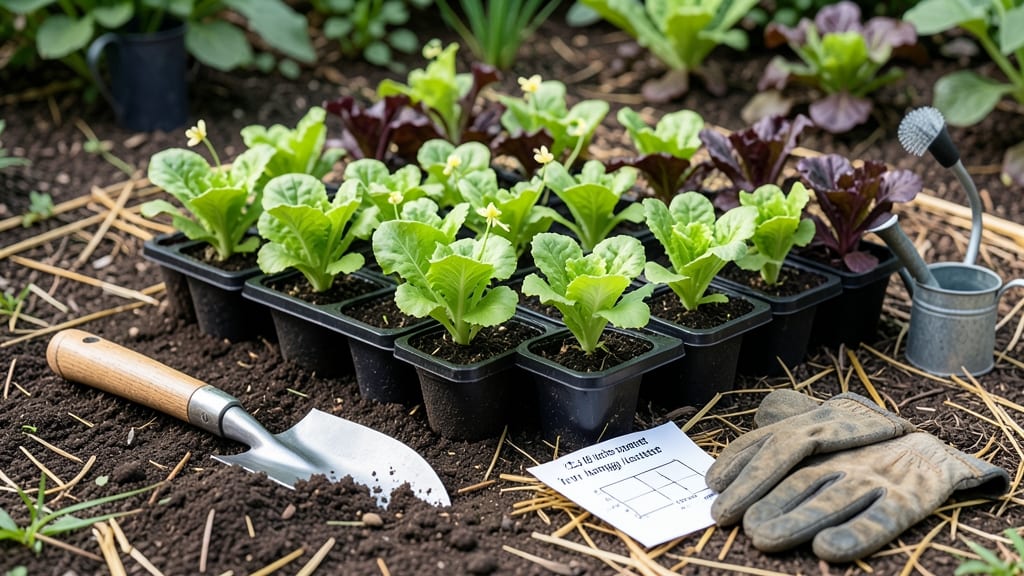
Planting fall lettuce in Zone 6 at the wrong time can turn your crisp 🥬 dreams into bitter, bolted disappointment—but getting the timing right guarantees a garden full of sweet, tender greens.
Most gardeners in Zone 6a make one critical mistake: starting too early when summer’s heat still lingers. The key is planting between mid-July and early September, giving your lettuce 6-8 weeks to mature before the first frost hits around October 15.
This window balances cool nights with mild days, preventing the stress that triggers bolting.
Why does this matter? Because lettuce planted too soon wilts in the heat, while late plantings risk frost before harvest. I’ll show you exactly how to align your schedule with Zone 6’s climate—plus which cold-hardy varieties like romaine or butterhead thrive in these conditions.
Ready to avoid the common pitfalls? Let’s dive into the exact weeks you should plant, how to extend your harvest with succession planting, and the simple soil prep tricks that make all the difference.
Optimal planting windows for fall lettuce in Zone 6: exact weeks before frost
In Zone 6, timing your fall lettuce planting is all about avoiding heat stress and premature bolting while ensuring a harvest before the first frost.
The ideal window spans from mid-July to early September, with most gardeners aiming for 6-8 weeks before frost—typically around late August for a late fall harvest.
Your last frost date in Zone 6 is usually October 15, so count backward to determine your planting schedule. For example, if you want to harvest in October, start seeds or transplant 6 weeks before—around mid-August. This timing ensures your lettuce matures before cold temperatures arrive.
Direct sowing is best for fall lettuce in Zone 6 because seedlings struggle in the heat. If you're starting from seed, begin indoors 4-6 weeks before your outdoor planting date to give seedlings a head start. For transplants, purchase cold-hardy varieties like romaine or butterhead from nurseries in early August.
Here’s the key: Lettuce bolts when exposed to temperatures above 80°F for extended periods. In Zone 6’s summer heat, planting too early (June or early July) risks bolting before you can harvest. Wait until late July at the earliest to give plants cooler soil temperatures and shorter daylight hours.
| Planting Method | Best Time to Plant | Weeks Before Frost | Harvest Window |
|---|---|---|---|
| Direct Sowing | Late July - Early August | 6-8 weeks | October - Early November |
| Transplants | Early to Mid-August | 6-7 weeks | Late September - November |
| Succession Planting | Every 2 weeks (August-Sept) | 4-6 weeks | October - December (with frost protection) |
💡 Pro Tip: Use shade cloth if planting in late August to protect seedlings from intense afternoon sun.
For a second harvest in late fall, consider succession planting every 2 weeks from mid-August to early September. This staggered approach ensures a steady supply of fresh lettuce even as temperatures drop.
Choose cold-hardy varieties like Winter Density or Arctic King for these later plantings—they tolerate light frosts and produce sweeter leaves in cooler weather.
One common mistake in Zone 6 is planting too close to frost. If you wait until September 15 or later, your lettuce may not mature before cold snaps.
Aim to harvest before consistent temperatures below 30°F, which can damage leaves. Use row covers or a cold frame to extend the season by 2-3 weeks if needed.
Soil temperature also plays a critical role. Lettuce grows best in soil between 60-70°F. In Zone 6, soil stays warm into early August, but by mid-August, it cools enough for optimal growth.
Test your soil temperature with a soil thermometer before planting—if it’s above 75°F, wait a few days to avoid stressing young plants.
Finally, don’t overlook microclimates in your garden. South-facing beds warm up faster and may need shade protection in late summer, while north-facing areas stay cooler and are ideal for early fall plantings. Observe your garden’s patterns over a few seasons to refine your lettuce planting schedule for Zone 6.
With the right timing, your fall lettuce in Zone 6 will thrive—crisp, tender, and ready for harvest just as winter approaches. The key is balance: plant early enough to avoid heat stress, but late enough to finish before frost.
Start with these guidelines, and you’ll be feasting on homegrown greens all season long! 🥬
Optimal planting windows for fall lettuce in Zone 6: exact weeks before frost
In Zone 6, fall lettuce thrives when planted at the right time—typically 6 to 8 weeks before your first frost date. For most Zone 6 gardeners, that means starting seeds or transplants between mid-August and early September.
This timing ensures your lettuce matures before cold snaps arrive, avoiding the bitter taste and bolting that comes with heat stress or frost.
Your exact planting window depends on your last frost date (usually around October 15 in Zone 6). Count backward: 6 weeks before frost is ideal for direct-sown seeds, while 8 weeks before frost works best for transplants.
For example, if your frost date is October 15, aim to plant seeds by September 1 or transplants by August 22.
Here’s a quick reference for Zone 6 fall lettuce planting based on your frost date:
| Stage | Action | Notes |
|---|---|---|
| Direct Sow Seeds | Mid-August to early September | 6-8 weeks before frost |
| Transplant Seedlings | Late August to early September | 8 weeks before frost |
| Succession Planting | Every 2 weeks until mid-September | Extend harvest window |
| Harvest Time | October to November | Before hard frost |
If you’re planting heat-tolerant varieties like romaine or butterhead, you can push your window slightly earlier—even late July—but monitor temperatures closely. Lettuce bolts (goes to seed) when exposed to consistent temps above 80°F, so avoid planting too early in the summer heat.
Shade cloth can help if you’re eager to start earlier.
For direct-sown seeds, use 1/4-inch deep rows spaced 12 inches apart, thinning seedlings to 6-8 inches apart once they sprout. If using transplants, space them 10-12 inches apart in well-prepared soil. Mulch with straw or grass clippings to retain moisture and keep roots cool as fall temperatures drop.
Pro tip: Use a planting calendar or local frost date tool (like the Old Farmer’s Almanac) to fine-tune your schedule. In Zone 6, late August is your sweet spot for transplants—it balances heat avoidance and frost preparedness for a crisp, flavorful harvest in October.