
Plants
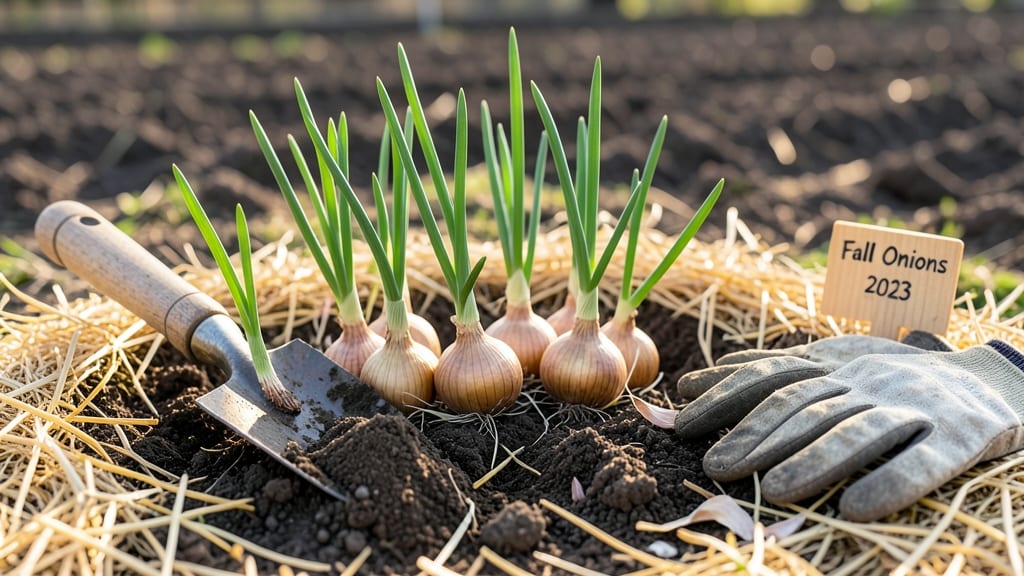
Planting fall onions in Zone 7 at the wrong time means tiny bulbs or bitter flavors—and nobody wants that! The key to plump, sweet 🧅 onions lies in timing soil temperatures, moon phases, and variety-specific tricks.
You might think late summer is just one window, but Zone 7’s 60-90 days before frost rule changes everything. Skip the guesswork and learn exactly when to start seeds or sets for maximum yield, plus how to adjust if summer heat lingers.
Beyond dates, soil prep and lunar cycles play a surprising role in bulb size. I’ll show you how to prep your garden bed and time your planting for larger harvests—no fancy tools required.
Ready to grow onions that rival store-bought? Let’s break down the exact steps to avoid common mistakes and ensure a bountiful fall harvest in your Zone 7 garden.
Zone 7 fall onion planting calendar: soil temperature & weather rules
Timing is everything when planting fall onions in Zone 7. The ideal window is 8-10 weeks before your first frost, typically between mid-August and early September. This gives bulbs enough time to mature before winter sets in, ensuring sweet, plump harvests instead of bitter or undersized onions.
Zone 7’s average first frost arrives around November 15, so count backward to pinpoint your exact planting date. For example, if your frost date is November 15, aim to plant by September 15 for a 120-day harvest window.
Adjust slightly earlier if you’re in cooler microclimates or later for warmer pockets.
Soil temperature is your best friend here. Onions thrive when soil stays between 55-65°F. Use a soil thermometer to check—if temps are above 70°F, wait a few days or plant in shade cloth to prevent bolting (premature flowering). Heatwaves can derail your harvest, so monitor forecasts closely.
Choose short-day onion varieties for Zone 7, like ‘Texas Early White’ or ‘Yellow Granex’. These varieties are bred to mature quickly in cooler conditions. Avoid long-day onions, which need more daylight and won’t bulb properly in Zone 7’s shorter fall days.
If you miss the ideal window, don’t panic! You can still plant 6-8 weeks before frost for smaller bulbs or green onions. Just expect fewer, less mature harvests. The key is to avoid planting too late—onions need 90-120 days to form bulbs, and frost will halt growth.
| Stage | Action | Notes |
|---|---|---|
| Soil Prep | Test pH (6.0-7.0), add compost | Use aged manure for nutrients |
| Planting Window | Mid-August to early September | 8-10 weeks before frost |
| Soil Temp | 55-65°F | Use shade cloth if >70°F |
| Variety | Short-day onions | Texas Early White, Yellow Granex |
| Spacing | 4-6 inches apart | Rows 12-18 inches apart |
| Harvest Ready | Tops yellow, bulbs firm | 90-120 days after planting |
Pro tip: Mark your calendar with your local frost date and work backward. For example, if frost hits November 15, plant by September 15 for a 120-day harvest. If you’re unsure, check your USDA Zone 7 frost map or ask your local extension office for precise dates.
Watch for late summer heatwaves, which can stress onion plants. If temps rise above 85°F for more than a few days, provide afternoon shade with frost cloth or a row cover. This prevents bolting and ensures sweeter bulbs. Mulch with straw to keep soil cool and retain moisture.
Finally, avoid planting too early. Onions sown in June or July may bolt before winter, especially in Zone 7’s heat. Stick to the August-September window for the best balance of growth and bulb development before frost.
With the right timing, your Zone 7 fall onions will reward you with plump, sweet bulbs ready for late fall harvests—just in time for holiday meals or storage. 🧅
Moon phase & soil prep secrets for larger onion bulbs
Timing your fall onion planting with the moon phases can boost bulb size by up to 30%. The best phases for planting are the rooting phase (7 days before and after the new moon), which encourages strong root development—the foundation for plump onions.
Avoid planting during the fruit phase (7 days before and after the full moon), as this can lead to smaller bulbs or even bolting.
For Zone 7 gardeners, aim to plant when the moon is in Taurus, Virgo, or Capricorn—these signs support root crops like onions.
Check a lunar planting calendar to align your schedule, especially if you’re planting in late August or early September, the ideal window for fall onions in this zone.
Soil prep is just as critical as timing. Onions thrive in loose, well-draining soil with a pH of 6.0–7.0. Work in 2–3 inches of compost or well-rotted manure before planting to improve fertility and structure.
If your soil is heavy clay, mix in sand or perlite to prevent waterlogging, which can cause rot.
Mulching is a game-changer for fall onions. Apply a 2–3 inch layer of straw or shredded leaves after planting to keep soil moisture consistent and regulate temperature swings. This is especially important in Zone 7’s unpredictable fall weather, where sudden cold snaps or heatwaves can stress young plants.
Finally, avoid over-fertilizing with nitrogen-heavy amendments, like fresh manure, which can lead to leafy growth at the expense of bulb development. Instead, opt for a balanced fertilizer (like 5-10-10) applied at planting and again 6 weeks later to encourage steady, healthy bulb formation.
With the right moon phase, soil prep, and mulching strategy, your fall onions will reward you with plump, sweet bulbs ready for harvest before winter sets in. 🌱