
Plants
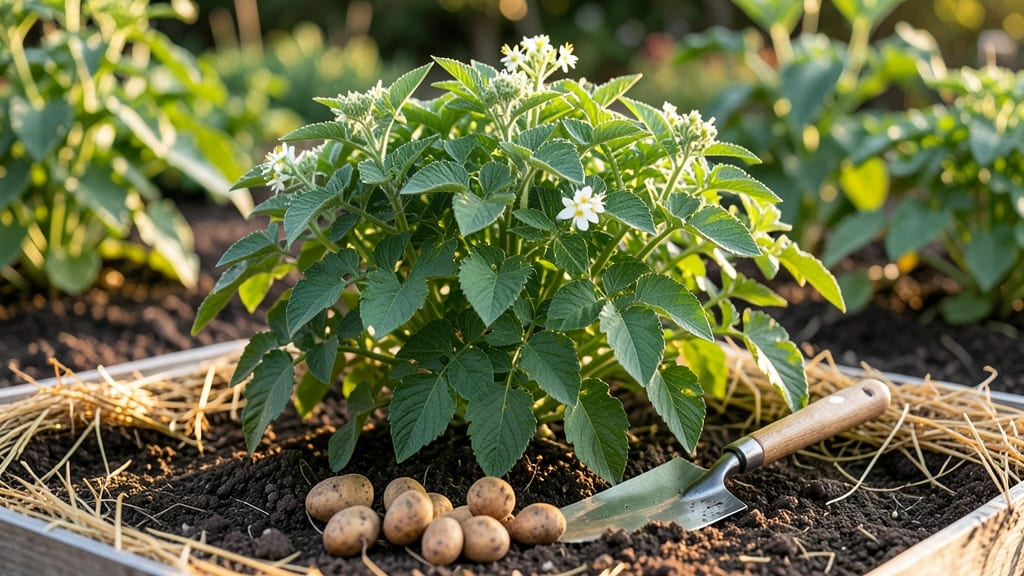
Planting fall potatoes in Texas isn’t just about tossing them in the dirt and hoping for the best—it’s about beating the heat, dodging early frost, and timing your harvest just right for crisp, flavorful 🥔 tubers.
The difference between a thriving crop and a failed one often comes down to knowing exactly when to plant based on your specific heat zone.
If you’ve ever watched your potatoes bolt in the summer heat or seen frost damage your harvest, you know how frustrating it can be. But with the right strategy, you can grow potatoes that mature perfectly before winter sets in—no matter whether you're in North Texas or the deep South.
I’ll break down the ideal planting windows, soil prep tips, and even how to adjust for late starts so you can enjoy a zero-frost harvest.
Why does this matter? Because Texas gardeners face unique challenges—like sweltering afternoons and unpredictable frost dates—that can make or break your potato patch. The key is planting at the right time, choosing the right varieties, and giving your potatoes the care they need to thrive in our climate.
Let’s get into the details so you can enjoy homegrown spuds all season long.
From soil temperatures to frost-free timelines, I’ll walk you through everything you need to know to plant fall potatoes like a pro. Whether you’re a beginner or a seasoned gardener, these insights will help you avoid common mistakes and maximize your yield. Ready to dig in?
Texas heat-zone planting calendar for fall potatoes (with exact months)
Texas spans USDA Zones 7A–10B, meaning your fall potato timing depends on where you live. In North Texas (Zones 7–8), you’ll plant later than in South Texas (Zones 9–10B), where the growing season stretches longer.
The key is planting 4–6 weeks before your first frost—but Texas frost dates vary wildly, from mid-November in the Panhandle to early January in South Texas.
For zero-frost harvests, aim to plant late August to early October, depending on your zone. This ensures tubers mature before temperatures dip below 40°F (4°C), which can damage storage-quality potatoes.
My North Texas garden thrives with September plantings, while South Texas gardeners can start as early as mid-August for a late-October harvest.
Soil temperature is just as critical as air temperature. Potatoes need soil temps above 50°F (10°C) to sprout consistently. In Texas, this usually aligns with late August for South Texas and September for North Texas. Use a soil thermometer to confirm—cold soil delays germination, wasting your seed potatoes.
Moon phases also play a role in Texas gardening. Planting during the waxing moon (when the moon is growing) encourages root growth, which is ideal for potatoes. For North Texas, this means targeting September 10–20 or October 10–20 for optimal root development before winter sets in.
Here’s how your Texas heat zone dictates your planting window:
| USDA Zone | Ideal Planting Month | Soil Temp Requirement | First Frost Date | Harvest Window |
|---|---|---|---|---|
| 7A–8A (North Texas) | Late September | 50°F+ (10°C+) | Mid-November | November–January |
| 8B–9A (Central Texas) | Early–Mid September | 50°F+ (10°C+) | Late November | October–December |
| 9B–10A (South Texas) | Late August–Early September | 50°F+ (10°C+) | Early January | September–November |
| 10B (Deep South Texas) | Mid–Late August | 50°F+ (10°C+) | Mid–Late December | August–December |
For North Texas gardeners, planting in late September ensures tubers mature before the first frost hits in mid-November. In Central Texas (Zones 8B–9A), you’ve got a slightly longer window, so early September plantings work well.
Meanwhile, South Texas gardeners can push the envelope with late August plantings, harvesting as late as December.
Pro tip: Use frost-tolerant varieties like 'Yukon Gold' or 'Red Pontiac' if you’re planting late. These varieties handle cooler temps better than delicate fingerlings, which bolt or rot in Texas’s unpredictable fall weather.
Always check the seed packet for days to maturity—aim for 90–120 days to align with your frost date.
If you’re in Zone 10B, where frost is rare, you can even plant two crops: one in August for a fall harvest and another in November for a spring harvest.
Just be mindful of heat stress—potatoes hate temperatures above 85°F (29°C), so shade cloth can be a lifesaver in South Texas summers.
Finally, test your soil before planting. Texas soils range from clay-heavy in East Texas to sandy in West Texas, and potatoes need well-draining, loose soil to prevent rot. Amend with compost or aged manure to improve drainage, and aim for a pH of 5.0–6.5.
A quick soil test from your local AgriLife Extension office takes the guesswork out of prep.
With these heat-zone-specific dates, you’ll avoid the two biggest Texas potato pitfalls: bolting from heat stress and frost damage. Next, we’ll cover how to adjust planting dates for zero-frost harvests—even if you miss the ideal window.
How to adjust planting dates for zero-frost harvests in Texas
Texas gardeners can beat frost and extend the growing season with a few smart adjustments. The key is choosing cold-hardy varieties and using season-extending techniques to protect your crop.
For example, in North Texas (Zones 7-8), where frost hits by December, plant Yukon Gold or Red Pontiac potatoes in early September. In Central/South Texas (Zones 9-11), you can push planting to late August for a frost-free harvest.
Timing isn’t just about the calendar—it’s also about soil temperature. Potatoes need soil that’s at least 45°F (7°C) to sprout. Use a soil thermometer to check before planting.
If your soil is too warm, wait a few days or use shade cloth to cool it down. This ensures strong, healthy growth without bolting.
Here’s how to adjust your planting schedule for a zero-frost harvest in Texas:
If you’re in a warmer Texas zone (9-11), you can even try a second planting in November for a winter harvest. Just use fast-maturing varieties like Red Norland, which mature in 70-80 days. This gives you a second crop before the ground gets too cold for planting.
Pro tip: Keep a gardening journal to track your planting dates, soil temps, and harvest times. This helps you fine-tune your schedule for future seasons. Over time, you’ll learn exactly when to plant for maximum yield in your specific Texas heat zone.
With these adjustments, you can enjoy homegrown potatoes well into the fall—without worrying about frost ruining your harvest. 🥔