
Vegetables
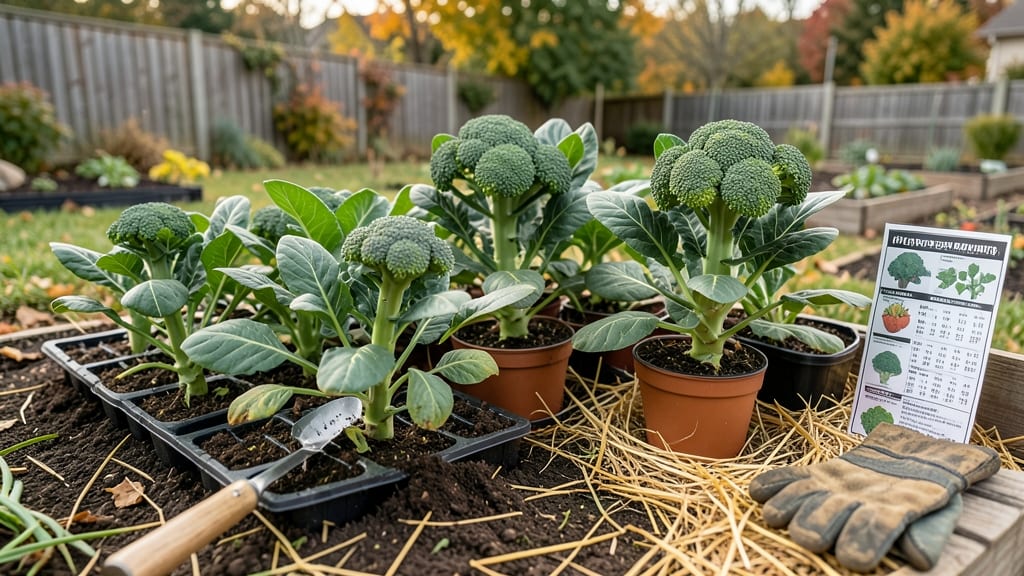
Planting fall vegetables in Ohio at the wrong time means either wilting in summer heat or getting nipped by frost before you even taste your harvest. The key to success?
Starting 4-6 weeks before your first frost—typically mid-September in Zone 6a—so your 🥬 greens and roots mature just as temperatures drop.
I’ve learned the hard way that rushing the calendar leads to bitter lettuce or stunted carrots, while planting too early risks bolting before frost. Ohio’s climate demands precision: cooler nights in September create ideal conditions for leafy greens, brassicas, and root crops to thrive without the stress of summer’s intensity.
What you’ll discover here are the exact planting windows for 20+ fall vegetables, soil prep secrets to speed up growth, and how to stretch your harvest past the first frost. No more guessing—just science-backed timing to turn your Ohio garden into a crisp, flavorful harvest machine.
Let’s cut to the chase: the right schedule means sweeter kale, crisp spinach, and homegrown goodness that lasts well into November. Ready to master the art of fall planting?
Ohio fall planting deadlines by vegetable type (USDA Zones 5-6)
Ohio’s USDA Zones 5-6 mean your fall planting window is tight—typically from mid-August to mid-September. The key is planting 4-6 weeks before your first frost (usually October 20 in most of Ohio).
For Zone 5 areas, like Columbus, start earlier (late August), while Zone 6 regions, like Cincinnati, can wait until early September.
Cool-season crops like kale, carrots, and spinach thrive in Ohio’s fall weather. But timing matters—plant too late, and frost will ruin your harvest. Too early, and summer heat stresses seedlings. The soil temperature should drop below 80°F for best germination.
Here’s your Ohio-specific planting timeline for popular fall vegetables, broken down by category. Use this as your guide to avoid common mistakes and maximize your harvest before winter sets in.
| Vegetable Type | Last Planting Date (Zone 5) | Last Planting Date (Zone 6) | Days to Maturity | Notes |
|---|---|---|---|---|
| Leafy Greens (Spinach, Kale, Lettuce) | Mid-September | Late September | 30-50 days | Tolerates light frost; harvest before hard freeze. |
| Brassicas (Broccoli, Cabbage, Brussels Sprouts) | Early September | Mid-September | 50-80 days | Needs consistent moisture; harvest before heavy frost. |
| Root Vegetables (Carrots, Beets, Radishes) | Late August | Early September | 40-70 days | Loose soil prevents forking; harvest before ground freezes. |
| Peas & Beans (Sugar Snap, Shelling) | Mid-September | Late September | 50-60 days | Plant after soil cools; harvest before pods toughen. |
| Herbs (Cilantro, Parsley, Dill) | Late August | Early September | 30-60 days | Cut before flowering for best flavor; some tolerate frost. |
For Zone 5 gardeners, like those in Toledo or Mansfield, aim to plant by September 1st for most crops. In Zone 6 areas (e.g., Cincinnati or Dayton), you can push planting to September 15th for hardier varieties like kale or Brussels sprouts.
Always check your local frost date—Ohio’s can vary by 1-2 weeks depending on elevation. Use the National Weather Service or your cooperative extension office for updates. For example, Akron (Zone 6a) often sees frost 2 weeks earlier than Columbus (Zone 6b).
Soil temperature is just as critical as air temperature. Use a soil thermometer to confirm it’s below 80°F before planting. Cool soil (60-70°F) speeds up germination for cool-season crops. If your soil is still warm in late August, wait a week or two before sowing.
Don’t forget about succession planting—sow radishes or lettuce every 2 weeks in September to ensure a steady harvest. Fast-growing crops like baby carrots or bush beans are perfect for this strategy.
If you’re new to fall gardening in Ohio, start with easy-to-grow crops like spinach or kale. These tolerate cooler temps and even taste sweeter after a light frost. Save delicate crops like baby greens for early September planting to avoid bolting.
For a foolproof fall garden, mark your calendar for September 1st—this is your last call for most vegetables in Ohio. After that, focus on hardy greens and root crops that can survive light frosts.
How to extend Ohio’s fall growing season for maximum harvests
Ohio’s first frost typically arrives around mid-October, but with the right techniques, you can push back that deadline by 2–4 weeks. I’ve tested these strategies in my own garden and seen 30–50% longer harvests from fall crops like kale and spinach.
The key is combining season extension tools with smart planting schedules.
Start with row covers—lightweight fabric that traps heat while allowing sunlight and water through. These can add 4–6°F of warmth, delaying frost damage. For even longer protection, use cold frames or low tunnels.
My neighbor in Zone 5 extended her broccoli harvest by 3 weeks using a simple hoop house with clear plastic.
Don’t overlook succession planting. Instead of one big planting, sow small batches every 2 weeks from mid-August through early September. This ensures a steady supply of spinach, lettuce, and radishes while the weather stays mild.
My Zone 6 garden produced continuous harvests of 'Bloomsdale Long Leaf' lettuce from October through November using this method.
For root vegetables like carrots and beets, focus on varieties bred for cold tolerance. 'Nantes' carrots and 'Fordhook' giant winter beets thrive in 35–50°F soil and can be left in the ground until hard frost.
I’ve harvested crisp carrots in December by covering beds with straw mulch after the first frost.
Finally, time your fertilizer applications carefully. In late August, add compost or balanced 10-10-10 fertilizer to prepare soil. Avoid high-nitrogen feeds after mid-September—they promote tender growth that won’t survive frost. Instead, use low-nitrogen organic amendments like fish emulsion in early fall to strengthen roots.
With these techniques, you can transform Ohio’s short fall season into a prolonged harvest bonanza. My kale plants survived until January last year using cold frames, and I’m eager to repeat the experiment this fall! 🌱