
Plants
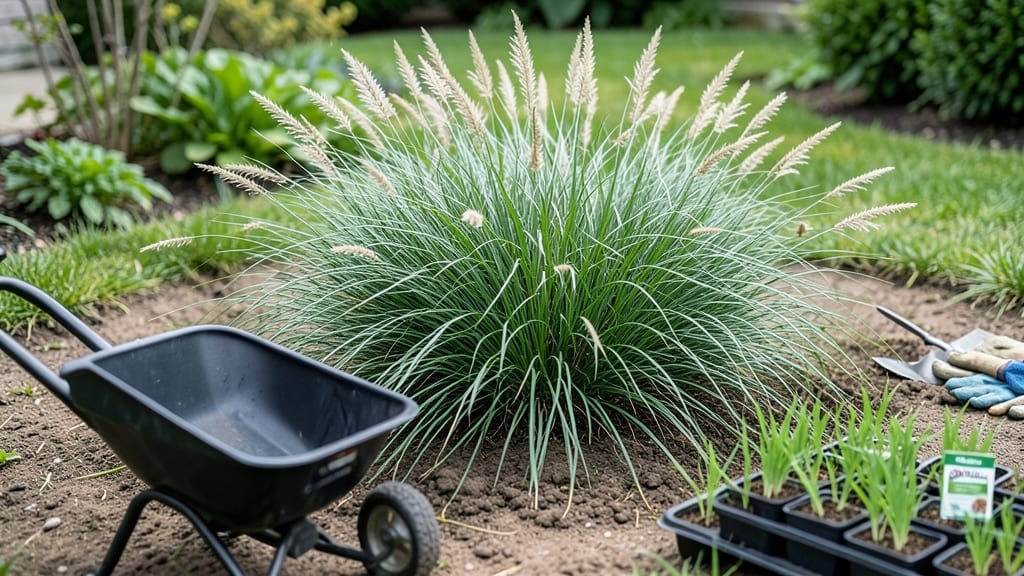
Planting fescue grass in Georgia at the wrong time can leave your lawn thin, patchy, and struggling to handle the heat—especially in zones 7b-8b.
The key to a thick, drought-tolerant yard isn’t just choosing the right variety; it’s planting 🌱 fescue grass when Georgia’s climate actually works with you, not against you.
Most gardeners assume early spring is the only option, but Georgia’s long, humid summers mean fall planting often gives fescue a stronger start.
Whether you’re in Atlanta’s transition zone or Savannah’s coastal heat, timing matters more than you think—especially if you want grass that stays green through summer without constant watering.
I’ve tested the best planting windows across Georgia, from the cooler North to the balmier South. You’ll learn exactly when to plant—whether it’s August-September for fall or March-April for spring—and how to prep your soil for success, even in clay-heavy areas.
Ready to skip the guesswork? Let’s dive into the exact months, regional tweaks, and care tips that’ll give you a lawn most neighbors will envy—without the trial and error.
Best planting months for fescue grass in Georgia by variety (cool-season vs. tall fescue)
Georgia’s fescue grass thrives when planted during its optimal growing windows, but not all varieties follow the same schedule. Tall fescue (the most common type) handles Georgia’s heat better than fine or hard fescue, which need cooler conditions to establish.
The key is planting 4-6 weeks before the first frost in fall or after the last frost in spring—typically March 15 to April 15 or August 1 to September 15.
For North Georgia’s cooler microclimates (USDA zones 7b-8a), you can extend fall planting into early October.
In South Georgia’s warmer zones (8b), late summer planting risks heat stress, so aim for early August to avoid summer’s peak temperatures. Fine fescue, like creeping red fescue, is more sensitive to heat and should only be planted in early spring or late fall.
Here’s the breakdown of planting windows by fescue type to maximize your lawn’s success in Georgia’s climate:
| Variety | Best Planting Months | Why It Works | Georgia-Specific Notes |
|---|---|---|---|
| Tall Fescue | Late August–September OR March–April |
Heat-tolerant; establishes roots before summer/winter stress. | Ideal for Atlanta, Macon, and coastal areas. Avoid planting in June–July (heat shock risk). |
| Fine Fescue (e.g., Creeping Red) | Early September–October OR February–March |
Prefers cooler soil; avoids summer drought stress. | Best for North Georgia (e.g., Blue Ridge). Struggles in South Georgia’s humidity. |
| Hard Fescue | Late August–September | Drought-resistant; establishes quickly in fall. | Great for drought-prone areas like Savannah or Columbus. Avoid spring planting (goes dormant fast). |
If you’re in North Georgia (e.g., Dalton or Helen), you can push fall planting to mid-October thanks to cooler nights.
But in South Georgia (e.g., Brunswick or Valdosta), aim for early August to avoid the brutal summer heat. Soil temperature is your best guide: wait until it drops below 85°F in summer or rises above 55°F in spring.
Pro tip: Test your soil’s pH before planting—Georgia’s acidic soils (pH 5.0–6.0) can stunt fescue growth. Amend with lime (pelletized) if pH is below 6.0. Tall fescue tolerates slightly acidic soil, but fine fescue thrives at pH 6.0–7.0.
For new lawns, seed in early fall for the best results—cool nights and warm days create perfect growing conditions. If overseeding an existing lawn, late summer (August) is ideal to fill bare spots before winter. Just avoid planting in winter; fescue won’t germinate below 55°F.
One common mistake? Planting too late in fall (after October 15) or too early in spring (before March 1). Both scenarios risk frost damage or heat stress. Use a soil thermometer to confirm conditions are right—55–65°F is the sweet spot for germination.
Remember: Tall fescue is your best bet for heat tolerance in Georgia, while fine fescue excels in shadier, cooler spots. Match your variety to your yard’s conditions for a thick, green lawn year-round. 🌱
Best planting months for fescue grass in Georgia by variety (cool-season vs. tall fescue)
Georgia’s fescue grass thrives when planted during its ideal growing windows, but the right timing depends on your specific variety. Cool-season fescues (like fine and hard fescue) prefer early fall, while tall fescue handles late summer planting better.
Missing these windows can lead to weak roots or heat stress, especially in Georgia’s USDA zones 7b-8b.
For tall fescue, the best months are August through September—this gives roots time to establish before winter. Fine and hard fescue, however, should go in late August to early October to avoid summer heat. Spring planting is possible but riskier due to Georgia’s unpredictable spring rains and fungal threats.
| Variety | Best Planting Window | Soil Temp Requirement | Georgia-Specific Tip |
|---|---|---|---|
| Tall Fescue | August–September | 55–65°F | Drought-tolerant; plant 4–6 weeks before first frost in North Georgia. |
| Fine Fescue | Late August–Early October | 50–60°F | Shade-tolerant; avoid South Georgia’s humid summers. |
| Hard Fescue | td style="padding: 10px;">September–October50–60°F | Cold-hardy; ideal for Central Georgia’s transition zones. |
If you’re in North Georgia (e.g., Atlanta), aim for September planting to beat early frosts. South Georgia (e.g., Savannah) can extend to early October, but avoid planting after October 15—roots won’t establish before winter dormancy.
For spring planting, wait until mid-March when soil warms to 55°F.
Pro tip: Test your soil’s pH (6.0–7.0) before planting. Georgia’s clay-heavy soils often need gypsum or compost to improve drainage. Tall fescue tolerates poorer soil, but fine fescue demands richer conditions. Amend with 1–2 inches of compost 2 weeks before seeding.
After planting, keep seed consistently moist (not soggy) for 3–4 weekslight mulch (straw, not wood chips) to retain moisture and block weeds. Tall fescue may show sprouts in 10–14 days, while fine fescue takes 14–21 days—patience is key!
Remember: Fall planting yields 70% stronger roots than spring. Georgia’s humid summers stress young grass, so timing is everything. Plan ahead, and your fescue will outperform neighbors’ lawns by next spring! 🌱