
Plants
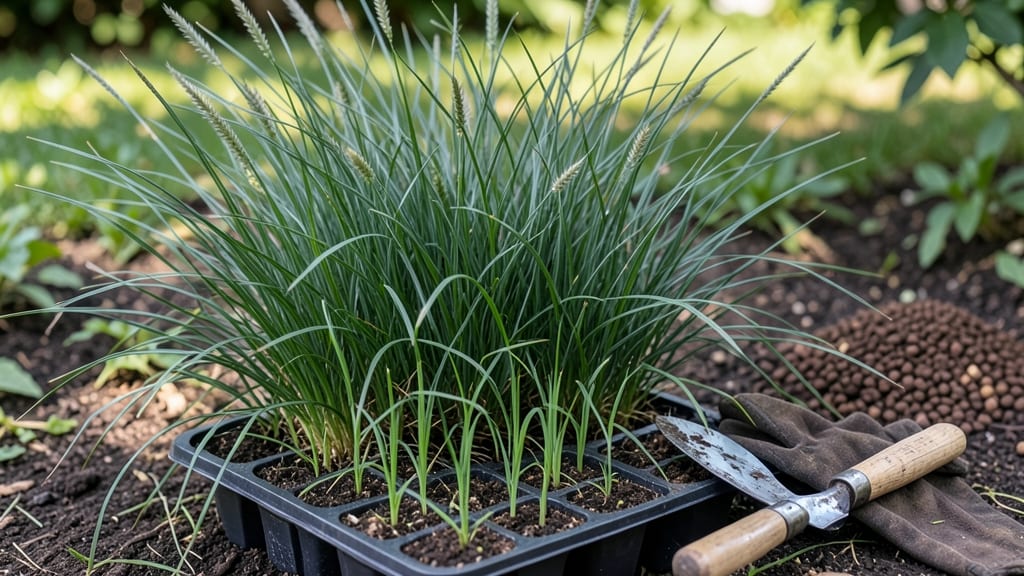
Planting fescue in Kansas at the wrong time can leave your lawn struggling to take root—especially when unpredictable weather throws off your schedule. The cool-season nature of fescue means timing matters more than you might think, and missing the ideal window could mean weaker growth or even failure to establish.
For Kansas gardeners in zones 5b-7a, the best time to plant fescue is early fall—between September and October—when soil temperatures drop and moisture levels stay steady. This window gives your grass 4-6 weeks to root before winter sets in, setting it up for a strong spring.
But don’t overlook early spring (March-April) as a backup option if fall planting slips your mind.
Why does this matter? Fescue thrives when planted before the first frost, which in Kansas typically hits around November 1. Planting too late can leave your grass vulnerable to cold snaps, while starting too early means dealing with dry soil and heat stress.
Let’s break down the exact steps to get your fescue off to the best possible start.
Whether you’re overseeding an existing lawn or starting fresh, understanding Kansas’s unique climate—like sudden droughts or early freezes—is key. I’ll walk you through how to adjust your planting strategy to match your local conditions, so you can enjoy a lush, green lawn year after year.
Best planting months for fescue in Kansas hardiness zones 5-7
Kansas gardeners know timing is everything when planting cool-season fescue. The ideal window spans early fall and late spring, but exact dates depend on your USDA zone (5b-7a). In most of Kansas, September-October is prime for fall planting, while March-April works for spring.
Fescue thrives when soil temps hover between 50°F-65°F. This sweet spot ensures seeds germinate without stress from extreme heat or cold. Kansas' first frost typically arrives by early November, so aim to plant 4-6 weeks before that date for root establishment.
In Zone 5b (northwest Kansas), push planting to late August-early September to avoid early frosts. Zone 7a (southeast Kansas) has more flexibility until mid-October, but don't delay past October 15.
Spring planting should wait until after the last frost date (usually March 15), but don't wait past April 15. Late spring planting risks summer heat stress before roots establish.
Here's how Kansas' three main regions align with planting windows:
| Region | USDA Zone | Fall Planting Window | Spring Planting Window | Soil Temp Goal |
|---|---|---|---|---|
| Northwest KS | 5b | Late Aug-Early Sept | Mid-April | 50°F-60°F |
| Central KS | 6a | Early Sept-Oct 1 | Late March-April 15 | 55°F-65°F |
| Southeast KS | 7a | Sept 15-Oct 15 | Early April | 60°F-65°F |
For overseeding existing lawns, Kansas State University recommends September 1-15 as the sweet spot. This timing gives seeds 6-8 weeks of warm soil before winter sets in, while avoiding summer heat stress.
Always check your local Kansas Mesonet station for real-time soil temps. Their 5-inch depth readings are the gold standard for fescue planting decisions in our state.
Pro tip: If you miss the fall window, late winter planting (February) can work in Zone 7a areas. Just be prepared for slower establishment due to cooler soils.
Remember, fescue needs 6-8 weeks to establish before winter. Planting too late means weak roots that struggle with Kansas' freeze-thaw cycles.
Best planting months for fescue in Kansas hardiness zones 5-7
Kansas gardeners know that timing is everything when planting cool-season fescue. The ideal window spans from early September to mid-October, allowing seeds to germinate before winter dormancy. This aligns with Kansas's USDA Zones 5b-7a, where soil temperatures stay mild enough for root development.
For spring planting, aim for late March to early April, once soil warms to 50°F (10°C) and frost risk passes. Both windows avoid summer heat stress, which can stunt growth. Fall planting is preferred because cooler temps reduce weed competition and encourage deeper root systems before winter.
Soil temperature thresholds are critical: seeds need 55-65°F (13-18°C) to sprout. In Kansas, this typically occurs in late August to early October. Use a soil thermometer to verify—planting too early (when soil is hot) risks seed burn, while waiting too late may limit root establishment before frost.
Align your planting with local frost dates: Kansas' average first frost hits around November 1, but western regions (Zone 7a) may delay until November 15. Plant 4-6 weeks before frost to ensure seeds germinate and develop roots before dormancy sets in.
| Season | Best Months | Soil Temp | Key Tip |
|---|---|---|---|
| Fall | September-October | 55-65°F | Plant before first frost |
| Spring | March-April | 50°F+ | Wait for frost-free soil |
| Avoid | June-August | N/A | Extreme heat stress |
In Zone 5b (northeast Kansas), prioritize early September planting to capitalize on cooler temps before winter. For Zone 7a (southwest Kansas), extend the window to mid-October—just ensure seeds germinate before November’s first frost. Always check Almanac frost predictions for your specific county.
Pro tip: Overseeding in late fall (November) is possible if temps stay above 40°F (4°C). This fills thin spots but requires light winter mulch to protect seedlings. Spring overseeding works too, but summer heat may stress new growth.
Kansas’ unpredictable weather demands flexibility. If rain delays fall planting, wait for dry soil—muddy conditions compact seeds, stunting germination. Spring planting offers a backup, but summer droughts may require extra watering. Plan ahead to avoid these pitfalls!