
Companion Plants
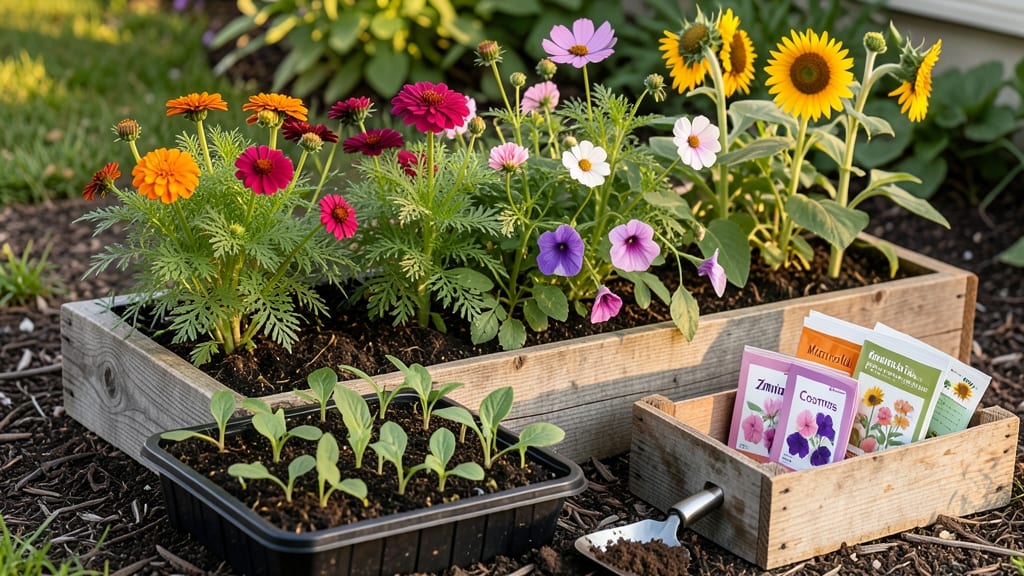
When to plant flower seeds in Kansas can make all the difference between a garden bursting with color and one that never quite takes off. With USDA Zones 6a and 7a bringing unpredictable frost dates, knowing when to plant is the key to avoiding those heartbreaking early failures.
I’ve spent years watching gardens thrive—and others struggle—because of planting mistakes. The truth is, Kansas’ climate demands precision: too early, and frost will nip your seedlings; too late, and you miss the ideal growing window.
But here’s the good news: with the right strategy, you can extend your planting season and enjoy blooms from spring through fall.
Whether you’re sowing zinnias for summer color or coneflowers for perennial beauty, this guide breaks down the exact windows for zero-frost success. We’ll cover everything from starting seeds indoors to adjusting for microclimates, so you can confidently plant and watch your garden flourish.
Ready to stop guessing and start growing? Let’s dive into the timelines and tips that will transform your Kansas garden this year.
Kansas flower seed planting calendar: exact dates for zones 6a & 7a by frost risk
Kansas gardeners face a unique challenge: unpredictable frost dates that can turn a perfect spring planting into a failed experiment. With USDA Zones 6a and 7a, your timing must account for both early freezes and late warm spells.
The key is understanding soil temperature thresholds—most flower seeds need 50-60°F soil to germinate, while others thrive in cooler conditions.
Start by marking your calendar for average last frost dates: April 15 for most of Kansas, but earlier in western regions (March 20) and later in the northeast (April 30).
For warm-season flowers like zinnias or marigolds, wait until two weeks after your last frost date to avoid stunted growth from lingering cold.
Cool-season flowers like pansies or snapdragons are your allies—they tolerate light frosts and can be sown as early as late February to early March under protection. Perennials like coneflowers or black-eyed Susans prefer spring planting after frost but establish roots slowly, so don’t rush them.
Here’s your Kansas planting timeline broken down by flower type and frost risk:
| Flower Type | Best Planting Window | Soil Temp Threshold | Frost Tolerance | Kansas-Specific Tip |
|---|---|---|---|---|
| Cool-Season Annuals (Pansies, Snapdragons, Lettuce) | Late February - Early April | 40-50°F | Tolerates light frost | Use row covers for western Kansas |
| Warm-Season Annuals (Zinnias, Marigolds, Sunflowers) | May 1 - June 1 (after frost) | 60-70°F | Frost-sensitive | Start indoors in March for early blooms |
| Perennials (Coneflowers, Black-Eyed Susans) | April 15 - May 15 | 50-60°F | Moderate frost tolerance | Add compost for faster root establishment |
| Bulbs (Tulips, Daffodils) | September - October (fall) | 50-60°F | Dormant in winter | Plant 6-8 weeks before first frost |
| Fall-Blooming Annuals (Cosmos, Calendula) | August 1 - September 1 | 55-65°F | Tolerates light frost | Direct sow in warm soil |
Pro tip: Use a soil thermometer to verify temperatures before planting. Western Kansas soils warm faster in spring, while eastern regions may need to wait until mid-May for consistent warmth. For microclimate adjustments, note that low-lying areas frost later than hillsides—adjust your timing accordingly.
Don’t overlook fall planting for late-season blooms. Many annuals like cosmos or calendula thrive when sown in August, giving you color until the first frost. Just ensure seeds get 6-8 weeks of growth before cold sets in.
For container gardening, start seeds indoors 4-6 weeks before your last frost date. Use grow lights if natural light is limited—most seeds need 12-16 hours of light daily for strong seedlings.
Remember: Kansas’ unpredictable weather means flexibility is key. Monitor forecasts and adjust your planting dates if late frosts or heatwaves arrive early. With the right timing, your garden can burst into color from spring to fall—no frost damage required! 🌸
How to extend your Kansas planting season without risking frost damage
Kansas’ unpredictable frost dates can feel like a gardener’s worst enemy—one week of warm weather doesn’t mean the coast is clear. The key to extending your planting season lies in strategic timing and protective methods that shield tender seedlings from late frosts.
Whether you’re aiming for early spring blooms or fall color, these techniques will help you push your planting windows safely.
Start by choosing cold-hardy flower varieties like pansies, snapdragons, or calendulas, which can tolerate light frosts down to 25°F. These varieties give you a 2-4 week head start over heat-lovers like zinnias or marigolds, which need warmer soil (at least 60°F) to germinate.
Pair them with row covers or cloches to create a microclimate that’s 5-10°F warmer than the surrounding air.
Frost-Proof Planting Strategies
✅ DO THIS
- Use row covers for 2-4 weeks after planting
- Plant cold-hardy annuals like lobelia or stock in early March
- Start warm-season seeds indoors 6-8 weeks before last frost
- Choose perennials with deep roots (e.g., coneflowers, black-eyed Susans)
❌ AVOID THIS
- Planting tender annuals (e.g., petunias, geraniums) before May 1
- Skipping soil warming for warm-season seeds (use black plastic mulch)
- Overcrowding seedlings under row covers (reduces airflow)
- Ignoring microclimates (e.g., south-facing slopes warm faster)
For warm-season flowers, the secret weapon is black plastic mulch. Lay it down 2-3 weeks before planting to raise soil temperatures by 5-10°F, allowing you to plant zinnias, cosmos, or sunflowers as early as mid-April in most of Kansas.
Pair this with seedling trays started indoors under grow lights—this gives you a 4-6 week jump on the growing season.
Don’t overlook fall planting either! Many annuals and perennials thrive when sown 8-10 weeks before your first frost (typically mid-August to early September in Kansas). Cool-season favorites like snapdragons and stock will bloom well into winter, while pansies and violas can handle light frosts.
Just ensure your soil stays above 40°F for germination.
Pro tip: Use a soil thermometer to track temperatures—most flower seeds need soil at 55-75°F to sprout. If your garden bed is still chilly, opt for container gardening with heat mats or move pots closer to your home’s foundation where the ground stays warmer.
This flexibility lets you plant zinnias in May even if your in-ground soil is slow to warm.
Finally, monitor local forecasts and have frost cloths ready. A single 28°F night can wipe out young seedlings, but with these strategies, you’ll turn Kansas’ short growing season into a longer, more productive one. The payoff? Vibrant blooms from spring to fall—without the frost-related heartbreak.