
Flowers
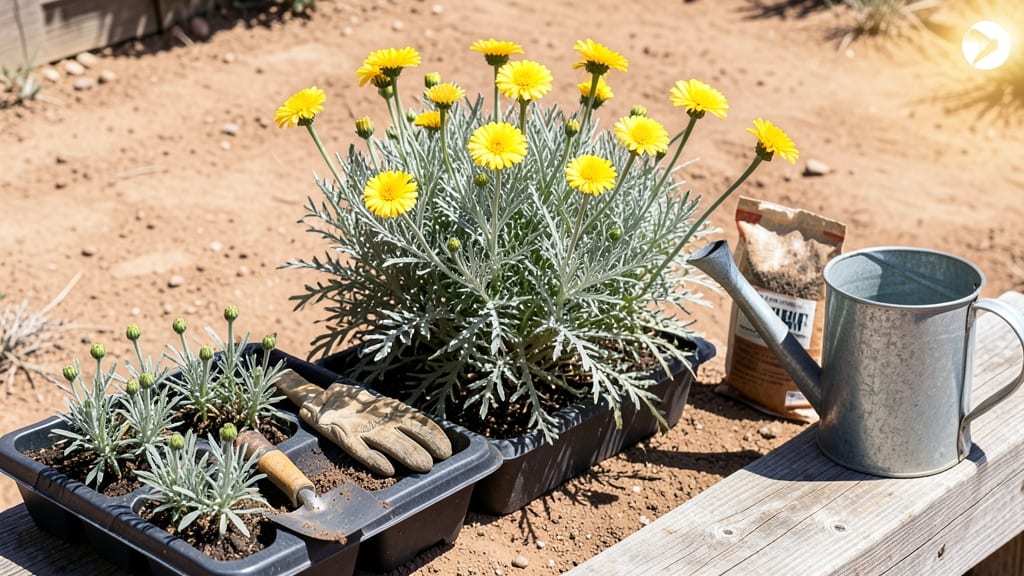
Arizona’s scorching summers and unpredictable monsoons make timing your flower planting a make-or-break factor—get it wrong, and your blooms could wither before they even sprout. The key to success lies in understanding the ideal months for planting 🌸 flowers in your specific zone, whether you're in Phoenix or Flagstaff.
For most Arizona gardeners in USDA Zone 9b, fall planting is your best bet. By planting in September through November, you give your flowers a head start on root growth before the heat ramps up. This strategy ensures vibrant spring and summer blooms when temperatures are more manageable.
But here’s the catch: not all flowers thrive in Arizona’s extreme climate. Some varieties need cool-season planting, while others can handle the heat if you time it right.
I’ll show you exactly which flowers to plant when, so you avoid those costly mistakes that turn your garden into a sad, brown wasteland.
Ready to transform your yard into a blooming paradise? Let’s dive into the best planting windows, heat-tolerant varieties, and simple tricks to keep your flowers thriving all year long—no guesswork required.
Arizona flower planting calendar: best months by hardiness Zone
Arizona’s diverse climate zones (ranging from USDA Zone 8a in Flagstaff to Zone 10b in Yuma) mean your planting timeline depends heavily on elevation and microclimates. Fall and winter are the sweet spots for most flowers, but heat-tolerant varieties can handle spring and early summer plantings with proper care.
Let’s break down the best months for annuals, perennials, and bulbs based on your zone.
In low-desert areas (like Phoenix or Tucson), September through November is ideal for planting cool-season flowers like pansies, snapdragons, and sweet alyssum.
These months offer cooler temperatures (60–80°F) and lower evaporation rates, giving seedlings a fighting chance. High-elevation zones (e.g., Sedona or Prescott) can extend planting into early December before frost risks arrive.
Spring planting in Arizona is trickier due to intense heat, but heat-tolerant annuals (like desert marigolds or Mexican sunflowers) can go in February–March if you use shade cloth or plant in partial shade. Bulbs like tulips or daffodils should wait until November–January to avoid spring heat stress.
Here’s a quick reference for Arizona’s frost-free windows:
- Low desert (Zone 10a–10b): No frost year-round; plant anytime except peak summer (June–July).
- Mid-elevation (Zone 9a–9b): Light frost risk in January; aim for September–March.
- High elevation (Zone 8a–8b): Frost possible until May; plant April–June for summer blooms.
| Zone | Best Planting Months | Flowers to Plant | Avoid Planting |
|---|---|---|---|
| 10a–10b (Phoenix, Yuma) | Sep–Nov, Feb–Mar | Marigolds, Zinnias, Petunias, Desert Roses | Jun–Jul (extreme heat) |
| 9a–9b (Tucson, Prescott) | Aug–Oct, Mar–Apr | Snapdragons, Sweet Alyssum, Blackfoot Daisy | May–Jun (before monsoons) |
| 8a–8b (Flagstaff, Sedona) | Apr–Jun, Sep–Oct | Pansies, Calendula, Lupines, Columbine | Nov–Feb (frost risk) |
For perennial flowers, timing matters too. Plant spring-blooming perennials (like beardtongue or blanket flower) in fall so they establish roots before spring heat. Summer-blooming perennials (e.g., desert penstemon) can go in early spring or late summer after monsoon rains.
Bulbs are a unique case in Arizona. Spring-blooming bulbs (tulips, daffodils) need cool winter chill, so plant them in November–January. Summer-blooming bulbs (like rain lilies) thrive when planted in late summer (August–September) to take advantage of monsoon moisture.
Don’t forget container gardening! Potted flowers can be planted anytime if you adjust watering—just avoid peak summer heat (June–July) for tender annuals. Succulents and cacti are exceptions; plant them spring through fall when temps are mild.
Finally, monsoon season (July–August) can be a golden opportunity for quick-growing annuals like cosmos or sunflowers. The extra rain gives them a boost without extra watering from you. Just be prepared for sudden downpours—use well-draining soil to prevent root rot.
By aligning your planting with Arizona’s seasons, you’ll avoid heat stress, water waste, and failed blooms. Next, we’ll cover the 3 deadly mistakes that even experienced Arizona gardeners make—and how to avoid them.
3 Deadly planting mistakes in Arizona (and how to fix them)
Arizona’s extreme climate can turn even the most enthusiastic gardener into a nervous newbie. I’ve seen firsthand how a single misstep—like planting too early or ignoring soil prep—can turn vibrant blooms into crispy brown husks. Let’s tackle the top 3 mistakes that sabotage flower gardens here.
The first and most common mistake is planting annuals in sweltering summer heat. Many gardeners rush to plant in May or June, but temperatures often exceed 100°F, shocking tender seedlings. Even heat-tolerant flowers struggle to establish roots in such extreme conditions.
Another critical error is skipping soil preparation. Arizona’s native soil is often alkaline and sandy, which drains too quickly. Without amending it with compost or organic matter, your flowers won’t get the nutrients they need to thrive.
I always mix in 2-3 inches of compost before planting to improve moisture retention and fertility.
Finally, many gardeners choose non-native flowers that can’t handle our climate. While petunias and impatiens might look pretty, they wilt under Arizona’s sun. Instead, opt for drought-resistant varieties like desert marigolds or blackfoot daisies that naturally thrive here.
⚠️ Deadly Mistake #1: Planting in Summer Heat
Avoid planting annuals between May and September. The intense heat stresses seedlings, leading to stunted growth or death. Instead, plant in fall (September-November) or early spring (February-March) for best results.
To fix this, always check the plant’s heat tolerance before buying. Look for labels that say "drought-tolerant" or "heat-resistant". I also recommend mulching heavily to keep soil cool and retain moisture. A 3-inch layer of mulch can make a huge difference in survival rates.
For soil prep mistakes, test your soil’s pH and adjust if needed. Most Arizona flowers prefer a slightly acidic to neutral pH (6.0-7.0).
If your soil is too alkaline, add sulfur or peat moss to lower the pH. I also recommend adding perlite or vermiculite to improve drainage in heavy clay soils.
Lastly, if you’ve already planted non-native flowers, don’t despair! You can still save them by providing extra shade during peak afternoon heat and watering deeply twice a week. Over time, consider replacing them with native Arizona flowers that require less maintenance and water.