
Flowers
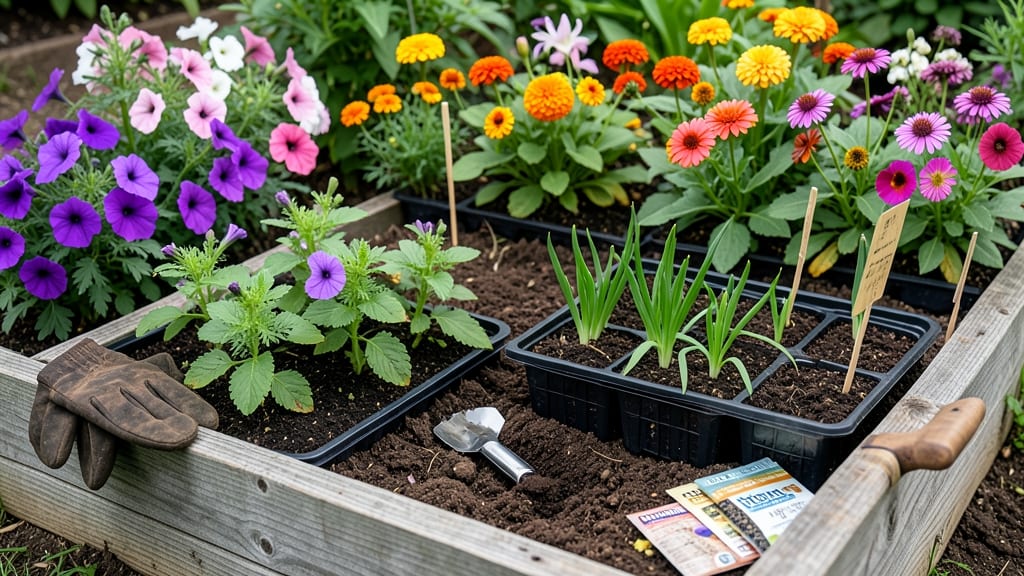
Planting flowers in New York at the wrong time can turn your garden dreams into a frost-killed mess—so timing matters more than you think.
Whether you're in bustling NYC or the rolling hills of Upstate, knowing the exact USDA Zone 5-7 planting schedule means the difference between a showstopping summer display and wilting disappointment.
I’ve spent years tracking New York’s unpredictable climate, and the key is understanding when the soil warms enough for spring-blooming flowers while avoiding late frosts that can sneak in until mid-May in many regions.
Annuals like petunias and marigolds thrive when planted after the last frost, but perennials and bulbs often need an earlier start.
This isn’t just about dates—it’s about reading the signs. Soil temperature, microclimates (like NYC’s urban heat islands), and even the type of flowers you choose all play a role. I’ll break down the science so you can plant with confidence, whether you’re a beginner or a seasoned gardener.
Ready to transform your yard into a blooming paradise? Let’s dive into the exact months, soil prep tips, and flower varieties that will flourish in your corner of New York—no guesswork required.
New York planting months by flower type: cool-season vs. warm-season flowers
New York’s USDA Zones 5-7 create a unique challenge for gardeners—late spring frosts in April and early fall frosts by October demand precision timing. The key is understanding whether your flowers thrive in cool-season (spring/fall) or warm-season (summer) conditions.
Get this wrong, and you’ll either have wilted seedlings or frost-bitten blooms.
For cool-season flowers like pansies, snapdragons, and sweet peas, the ideal planting window is 4-6 weeks before your last frost date—typically mid-to-late April in most of New York. These hardy annuals can even handle light frosts after germination, making them perfect for early spring color.
Meanwhile, warm-season favorites such as marigolds, zinnias, and petunias need to wait until after your last frost (usually mid-May in NYC and late May in Upstate regions).
But here’s the catch: perennials and bulbs follow their own rules. Spring-blooming bulbs like tulips and daffodils should be planted in fall (October-November) so they establish roots before winter. Meanwhile, fall-planted perennials like asters and chrysanthemums go in early August to avoid summer heat stress.
Native wildflowers, such as black-eyed Susans and coneflowers, are more forgiving—they’ll self-seed if planted in early spring or late summer.
New York’s microclimates add another layer of complexity. NYC’s urban heat island can push last frost dates 1-2 weeks later than Upstate areas like Albany or Buffalo.
Always check your local frost dates (use Almanac.com or NOAA’s frost maps) and adjust planting by 1-2 weeks if you’re in a warmer pocket. For example, Brooklyn gardeners can plant warm-season flowers 7-10 days earlier than those in Rochester.
Soil temperature matters just as much as air temperature. Cool-season flowers perform best when soil is 40-50°F, while warm-season varieties need soil above 60°F to germinate. Use a soil thermometer ($10 at garden centers) to test before planting—especially critical for tomatoes and peppers (yes, they’re flowers too!).
In Zone 5 (Upstate NY), soil may not warm up until mid-June, while Zone 7 (Long Island) can be ready by early May.
Here’s my pro tip: Stagger planting for extended blooms. Sow half your marigolds in May and the other half in early June—this ensures continuous color through fall’s first frost. The same strategy works for cosmos and sunflowers, which are both heat-tolerant and drought-resistant once established.
Let’s break down the exact planting months for New York’s most popular flowers, including frost dates, soil temps, and regional adjustments.