
Companion Plants
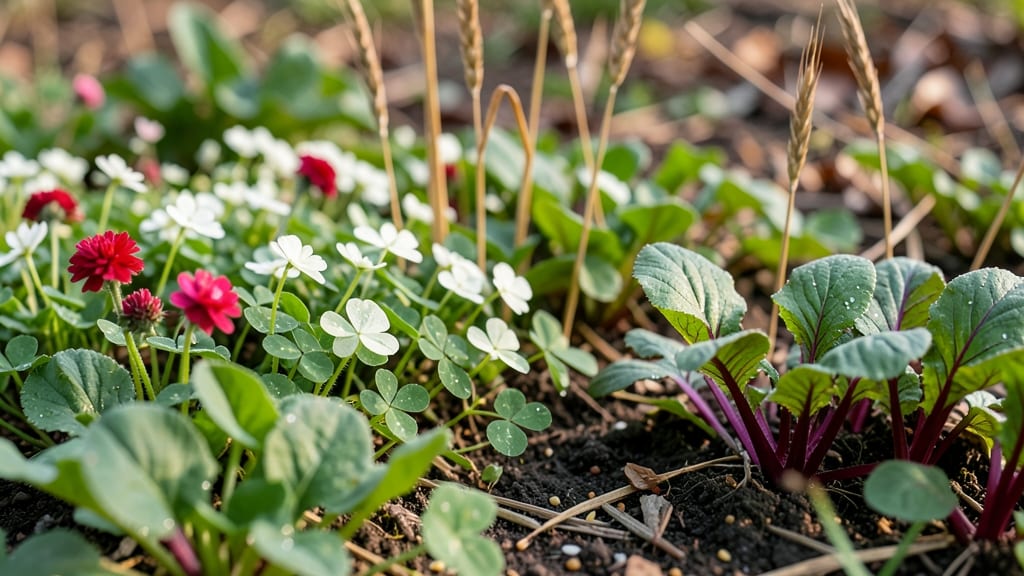
Planting your Food Plot Mix (Clover, Brassicas, Milo, Soybeans, etc.) 🌱 at the wrong time in Louisiana’s climate can mean the difference between a thriving deer buffet and a wasted investment.
The key isn’t just following a generic calendar—it’s understanding how humidity, rainfall, and deer behavior align to create the perfect forage timeline.
In Louisiana’s 8a-9b zones, fall planting between August and October gives you the edge, as cooler temps and increased rainfall help your plots establish before winter. But timing isn’t one-size-fits-all—warm-season crops like milo need a different approach than clover or brassicas, which thrive when planted earlier for winter browse.
I’ll break down the exact windows for each crop, including how to adjust for Louisiana’s unpredictable weather. Whether you’re a first-time plotter or a seasoned hunter, these insights will help you avoid common mistakes and keep deer coming back all season long.
Ready to turn your property into a year-round deer magnet? Let’s dive into the humidity-adapted schedule that works for Louisiana’s unique conditions—and why September is the sweet spot for most mixes.
Louisiana’s ideal food plot planting windows by month: humidity-proof schedule
Planting food plots for deer in Louisiana requires precision timing to account for the state’s high humidity, unpredictable rainfall, and extended growing seasons. Unlike northern climates, Louisiana’s USDA Zones 8a-9b allow for year-round forage production when you plant at the right times.
The key is aligning your planting schedule with soil temperatures, deer feeding patterns, and rainfall cycles—not just the calendar.
Most deer hunters focus on two primary planting windows: fall (August-October) and spring (February-March). However, Louisiana’s climate also supports winter plots (November-January) and summer mixes (May-July) if you’re strategic. The goal is to provide continuous browse that keeps deer active and visible during hunting seasons.
| Month | Best Crops | Soil Temp | Rainfall Needs | Deer Appeal |
|---|---|---|---|---|
| August | Crimson clover, brassicas, winter rye | 70-85°F | Moderate (1-2 inches/week) | High (fall rut prep) |
| September | Austrian peas, turnips, winter wheat | 65-75°F | High (2+ inches/week) | Very High (peak fall feeding) |
| October | Winter rye, brassicas, clover mixes | 60-70°F | Moderate (1-1.5 inches/week) | High (late-season forage) |
| February | Soybeans, sorghum, milo | 55-65°F | Low (0.5-1 inch/week) | Medium (spring green-up) |
| March | Clover, brassicas, peas | 60-70°F | Moderate (1.5 inches/week) | Very High (pre-rut feeding) |
For fall planting (August-October), focus on cool-season crops like clover and brassicas. These thrive in Louisiana’s mild autumn temperatures and provide winter forage when natural food sources dwindle. September is the golden month—soil is still warm enough for germination, and rainfall is typically abundant, reducing irrigation needs.
The spring window (February-March) is critical for pre-rut feeding and early summer growth. Plant warm-season crops like soybeans and milo in late February to ensure they’re established before the April heat sets in.
Avoid planting too early—soil temperatures below 55°F can stunt germination, and Louisiana’s unpredictable spring rains may cause erosion.
Don’t overlook summer and winter plots. While less common, summer mixes (May-July) like sorghum-sudangrass provide heat-tolerant forage during dry spells, and winter plots (November-January) can extend browse into the lean months when deer rely heavily on supplemental food.
Just ensure your soil stays well-drained—Louisiana’s humidity can lead to fungal issues if plots stay too wet.
Pro tip: Use a soil thermometer to confirm temperatures before planting. Aim for 60°F+ for cool-season crops and 70°F+ for warm-season mixes. This small step can mean the difference between thriving plots and failed germination in Louisiana’s variable climate.
Timing also affects deer behavior. Plant fall plots in September to align with the peak rut (October-November), when bucks need extra nutrition. Similarly, spring plots in March support pre-rut feeding and early antler
Louisiana’s ideal food plot planting windows by month: humidity-proof schedule
Louisiana’s humid subtropical climate demands precise timing for food plots—plant too early, and your seeds rot in soggy soil; too late, and deer miss the peak forage. The best windows align with soil temperatures above 60°F and rainfall patterns that keep seeds moist without drowning them.
Fall planting (August–October) is my top recommendation, but spring has its place too.
For cool-season crops like clover and brassicas, aim for late August to early October. This gives plants time to establish roots before first frost (usually mid-November). Warm-season crops like milo and soybeans thrive when planted in late February to March, avoiding the spring heat that stresses young seedlings.
| Month | Best Crops | Soil Temp | Rainfall Tip |
|---|---|---|---|
| August | Clover, Brassicas | 65–75°F | Plant after rains |
| September | Winter Rye, Turnips | 60–70°F | Avoid flooding |
| October | Crimson Clover | 55–65°F | Pre-frost window |
| February | Soybeans, Milo | 60–70°F | Post-dormancy |
| March | Austrian Peas | 65–75°F | Before heat spike |
September is my golden month for planting winter rye and turnips. The soil stays warm long enough for germination, but nights cool down—perfect for deer browsing as food becomes scarce. Pro tip: Test your soil pH (aim for 6.0–7.0) before planting; Louisiana’s acidic soils often need lime.
Spring planting (February–March) is riskier due to unpredictable rains, but it’s essential for warm-season crops like soybeans. Plant after the last frost (typically mid-February) and mulch lightly to retain moisture. Avoid planting in April or later—summer’s heat will stress seedlings before they mature.
For year-round success, I recommend double-planting: Sow clover in August and soybeans in March on the same plot. This creates a continuous forage cycle that keeps deer visiting from fall through summer. Just rotate crops annually to prevent soil depletion.
Timing isn’t just about the calendar—it’s about reading Louisiana’s weather. Check the National Weather Service for 7-day forecasts before planting; a week of daily thunderstorms can turn your plot into mud. Adjust your schedule to avoid these windows.