
Plants
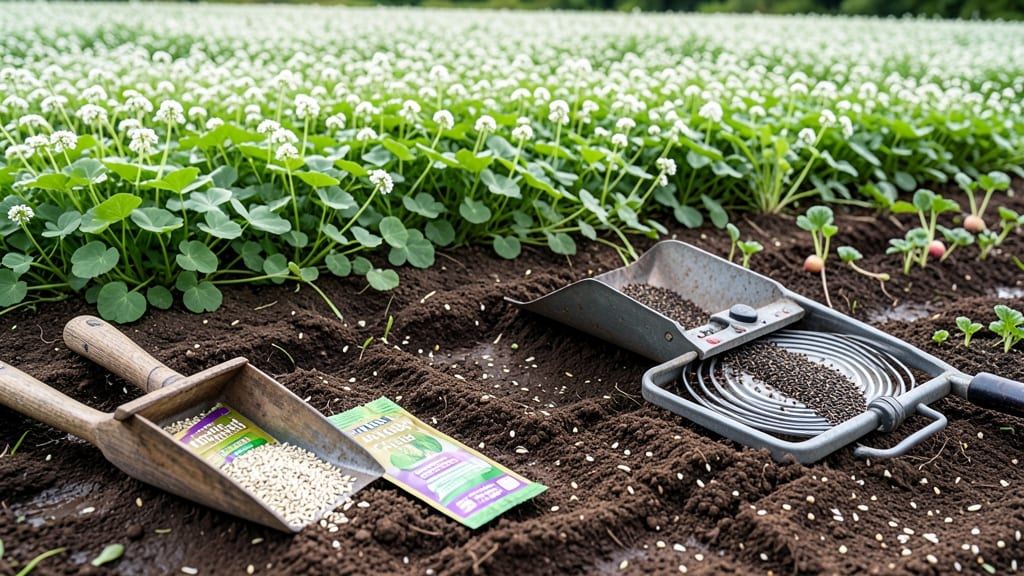
Planting food plots in Georgia at the right time means the difference between a field buzzing with deer and one that gets ignored. Timing isn't just about the calendar—it's about soil warmth, regional microclimates, and when bucks hit their peak feeding frenzy.
In Georgia's humid subtropical climate, spring planting (March through May) is your golden window for cool-season crops like clover and brassicas, but soil temps must hit 55°F before seeds go in.
Warm-season mixes like sorghum-sudangrass, however, wait until late April or May when soil warms to 65°F—any earlier and you risk frost damage or stunted growth.
What most hunters overlook? Planting too early in North Georgia's cooler mountain zones (USDA 7a) versus South Georgia's warmer coastal plains (USDA 8a). A 3-week difference in planting dates can mean the difference between a lush food source and a missed opportunity during peak rut in October.
I'll break down the exact months for each Georgia region, plus when to fertilize and how to extend your food plot's appeal through fall. Let's make sure your plot is ready when the deer are hungry—and that's a game-changer for your hunting season.
Georgia food plot planting timeline by soil temperature & region
Georgia’s diverse climate zones—from the cool mountain regions of North Georgia to the humid coastal plains of South Georgia—create wildly different planting windows for food plots. Soil temperature is your best guide, not just calendar dates. Cooler mountain areas (USDA Zones 7a-7b) can plant 4-6 weeks earlier than South Georgia’s Zone 8a-8b, where frost lingers later.
Always check soil thermometers for 50°F+ before planting cool-season crops.
For warm-season food plots like sorghum or millet, wait until soil reaches 65°F+—typically mid-April in North Georgia but May in South Georgia. Cool-season plots (clover, brassicas) thrive when soil is 45-55°F, often aligning with late February to early March in most of Georgia. Mississippi River Valley areas (Zone 8a) may even start as early as January for hardy varieties.
Here’s the critical rule: Plant when deer are hungry.
In Georgia, late summer to early fall (August-October) is peak deer activity, so align your fall food plots with their rutting season. Spring plots should be ready by May-June to fill the summer food gap when natural forage dries up.
Pro Tip: Use a soil thermometer—not just your calendar. Cool-season crops like clover or turnips can rot if planted in warm soil, while warm-season mixes like sorghum won’t germinate below 60°F. Georgia’s frost-free dates vary by 100+ miles, so local hunting clubs are your best resource.
Visual Guide: Georgia’s 5 key climate regions for food plots:
- North GA Mountains (Zones 7a-7b)
- North GA Piedmont (Zone 7b-8a)
- Central GA (Zone 8a)
- South GA Coastal Plains (Zone 8a-8b)
- South GA Near Coast (Zone 8b)
Don’t overlook microclimates—<
Georgia food plot planting timeline by soil temperature & region
Georgia’s humid subtropical climate means your food plot planting window varies dramatically from the North GA mountains to the South GA coastal plains. In the Appalachian region, frost can linger until mid-April, while coastal areas may see warm soil as early as February.
The key? Plant when soil temps hit 50–60°F for cool-season crops and 65–75°F for warm-season mixes.
For cool-season crops like clover and brassicas, aim for March–April in North Georgia and February–March in South Georgia. Warm-season crops such as sorghum-sudangrass and soybeans thrive when planted after the last frost, typically late April–May. Using a soil thermometer ensures you’re planting at the optimal time for seed germination.
| Region | Last Frost Date | Cool-Season Planting Window | Warm-Season Planting Window | Soil Temp for Planting |
|---|---|---|---|---|
| North GA Mountains | Mid-April | March–April | Late April–May | 50–60°F (cool) / 65–75°F (warm) |
| Central GA Piedmont | Early April | Late February–March | Early April–May | 50–60°F (cool) / 65–75°F (warm) |
| South GA Coastal Plains | Late February | January–February | March–April | 55–65°F (cool) / 70–80°F (warm) |
Don’t overlook deer activity patterns when planning. In Georgia, deer are most active during rutting season (October–January), so having a summer food source (like warm-season plots) ensures they return to your property.
For example, sorghum-sudangrass planted in May will provide lush forage by July–August, just as natural food sources dwindle.
If you’re planting annual crops, consider a successive planting strategy. Start with cool-season mixes in early spring, then transition to warm-season crops in late spring to maintain a continuous food source. This approach minimizes gaps in forage availability and keeps deer visiting year-round.
One common mistake is planting too early in North Georgia, where late frosts can kill tender seedlings. To avoid this, wait until the average last frost date has passed (check your local USDA Plant Hardiness Zone) and monitor soil temps closely.
For South Georgia, the risk shifts to heat stress—plant warm-season crops before June’s peak temperatures to ensure healthy establishment.
Pro tip: Use black plastic mulch in cooler regions to warm the soil faster and extend your planting window. This simple trick can give you a 2–3 week head start on germination, especially for brassicas and clovers in North Georgia’s shorter growing season.