
Plants
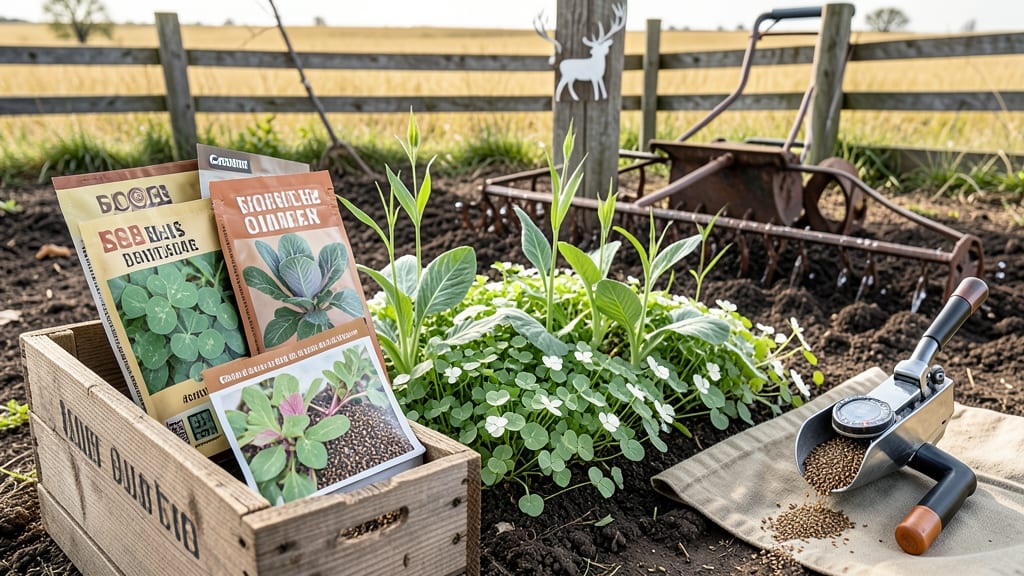
Planting food plots at the wrong time in Texas can leave your field bare while deer browse elsewhere—but nailing the timing turns your property into a whitetail magnet.
The key isn’t just following a calendar; it’s reading your local climate, soil temperatures, and even rainfall patterns to create forage that deer can’t resist.
From the cool-season clovers of early spring to the heat-tolerant brassicas of fall, each crop has its own ideal window for maximum deer impact.
I’ll break down the month-by-month strategy that works for both North and South Texas, so you can avoid common mistakes like planting too early when soils are still cold or too late when deer are already shifting their diets.
Whether you’re a first-time plotter or a seasoned land manager, these insights will help you extend your growing season and keep deer visiting year-round. Let’s dive into the exact planting schedule that’ll have bucks and does fighting over your fields.
You’ll discover which crops thrive in Texas heat, how to adjust for drought conditions, and the simple soil prep tricks that make all the difference. Ready to transform your property into a deer destination? Here’s how to make it happen.
Texas food plot planting calendar by month: optimal windows for whitetails
Planting food plots in Texas isn't a one-size-fits-all task—it's a seasonal puzzle where timing directly impacts deer attraction. The North Texas and South Texas regions have different frost dates and rainfall patterns, so I'll break down the month-by-month windows that work best for each zone.
For North Texas (USDA Zones 7-8), the ideal planting windows align with spring rains and fall cooling. Meanwhile, South Texas (Zones 8-10) benefits from winter planting and summer heat tolerance in certain crops. Let's dive into the specifics that'll have deer flocking to your plots.
🌱 Key Rule: Always plant when soil temperatures reach 60°F+ for cool-season crops and 70°F+ for warm-season varieties. Use a soil thermometer to avoid costly mistakes.
Here's your visual planting calendar comparing North and South Texas windows for maximum deer impact:
| Month | North Texas (Zones 7-8) | South Texas (Zones 8-10) | Best Crops | Deer Activity | ||||||||||||||||||
|---|---|---|---|---|---|---|---|---|---|---|---|---|---|---|---|---|---|---|---|---|---|---|
| January | ❄️ Winter prep | 🌱 Winter ryegrass | Winter rye, clover | Moderate | ||||||||||||||||||
| February | 🌱 Early clover | 🌱 Winter peas | Clover, brassicas | High | ||||||||||||||||||
| March | 🌱 Spring mixes | 🌱 Spring clover | Clover, chicory | Very High | ||||||||||||||||||
| April | ☀️ Summer prep | ☀️ Summer sorghum | Sorghum, millet | Moderate | ||||||||||||||||||
| May | ☀️ Summer mixes | ☀️ Summer cowpeas | Cowpeas, sunflowers | High | ||||||||||||||||||
| June | ☀️ Irrigation critical | ☀️ Heat-tolerant mixes | Sorghum-sudan | Low-Moderate | ||||||||||||||||||
| July | 💧 Watering essential | 💧 Drought-resistant | Indiangrass, broomsedge | Low | ||||||||||||||||||
| August | 🌱 Fall prep begins |
Best food plot crops for Texas seasons: deer preference by planting timeTexas deer thrive on seasonal forage, and matching your food plots to their natural eating cycles is key. Spring offers ideal conditions for clover mixes and warm-season grasses, while fall becomes prime time for brassicas like turnips and radishes. Understanding these preferences ensures your plots provide year-round nutrition for fawns, does, and bucks alike. In North Texas, where winters are cooler, you'll want to focus on cool-season crops planted in September-October for fall browsing. Meanwhile, South Texas gardeners can extend growing seasons with warm-season mixes like sorghum-sudangrass, which thrive in the region's longer heat periods. The right crop selection directly impacts deer activity and plot success. Here’s a seasonal breakdown of the most deer-preferred crops and their optimal planting windows for Texas:
Brassicas like turnips and radishes are deer magnets in fall, offering high-protein forage that bucks crave before rut. Plant these 4-6 weeks before first frost in North Texas or 6-8 weeks in South Texas for optimal growth. For summer mixes, sorghum-sudangrass provides shade and nutrition during hot months when other forages wilt. Don’t overlook perennial crops like sericea lespedeza or clover blends, which establish roots and provide forage for 3-5 years. These reduce annual replanting while maintaining year-round deer interest. Pair them with annuals for a balanced plot that keeps deer visiting throughout the year. For South Texas, extend your growing season by planting warm-season crops like cowpeas in late summer—they thrive in heat and provide late-season forage when other plots fade. In North Texas, focus on cool-season brassicas planted in September to ensure they mature before winter freezes. Pro tip: Mix high-protein crops (like clover) with fiber-rich grasses (like oats) to create a balanced diet. Deer will graze more consistently on diverse plots, giving you better hunting opportunities year-round. 🌱 |