
Container Gardens
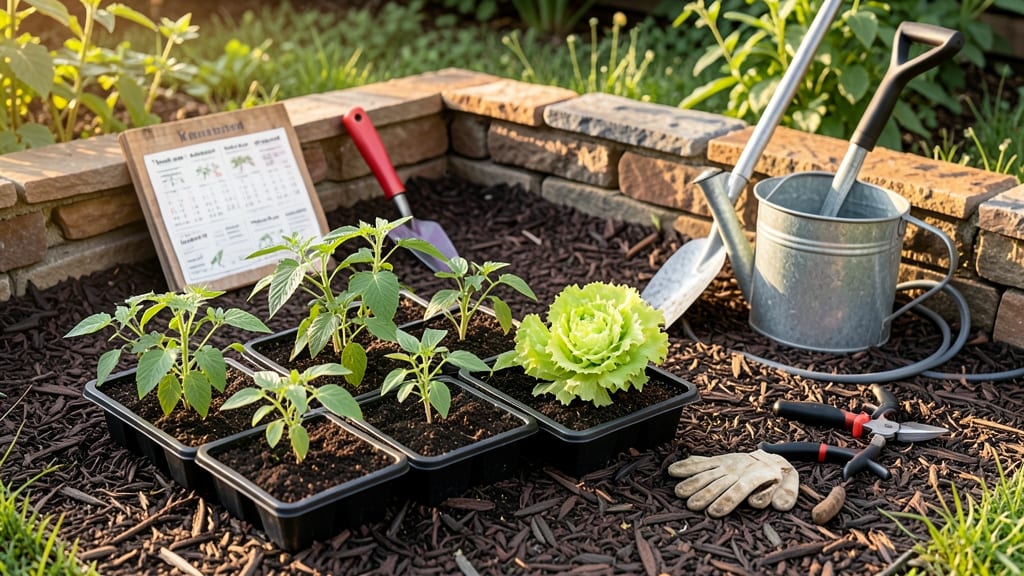
Planting your garden in Kentucky at the wrong time can mean the difference between a bumper crop and a sad, wilted disappointment—and the key is timing it just right for USDA Zone 7b. With frost dates that shift from April 15 to May 1, getting your seeds in the ground too early or too late can leave your 🌱 vulnerable to cold snaps or scorching heat.
I’ve spent years watching Kentucky’s unpredictable weather patterns, and what I’ve learned is that soil temperature matters just as much as calendar dates.
Cold-hardy greens like spinach can go in as early as March, while tomatoes and peppers need to wait until after the last frost when nighttime temps stay above 50°F. The good news?
Kentucky’s extended growing season gives you two chances to plant—spring and fall—so you can enjoy fresh produce well into October.
But here’s the catch: even with the right timing, local microclimates can throw off your plans. A Louisville garden might be ready weeks before one in the Appalachian foothills, and humidity levels can turn your perfect planting window into a moldy mess.
I’ll break down exactly how to adjust for your specific corner of the state, plus the 3 biggest mistakes Kentucky gardeners make when it comes to planting schedules—and how to avoid them.
Ready to turn your garden dreams into reality? Let’s dive into the exact planting calendar, soil prep secrets, and region-specific tips that will have your 🌱 thriving from seed to harvest.
Kentucky USDA Zone 7b planting calendar: exact last-frost dates and ideal planting windows
Kentucky’s USDA Zone 7b offers a 180–210 day growing season, but timing is everything. The average last-frost date is April 15–May 1, while the first frost typically arrives October 15–November 1.
These dates separate cold-hardy crops (like peas and spinach) from heat-lovers (tomatoes, peppers, and basil). Missing these windows can mean wasted seeds, stunted growth, or even plant death—so mark your calendar now!
For cool-season crops, start seeds indoors 6–8 weeks before the last frost (around March 1). These include lettuce, kale, broccoli, and carrots, which thrive in 45–65°F soil.
Meanwhile, warm-season plants like tomatoes, cucumbers, and beans need soil temperatures above 60°F—so wait until mid-May to direct-sow or transplant seedlings.
Fall planting is just as critical! Broccoli, cabbage, and radishes can handle light frosts, so sow them August 1–September 15. Even spinach and peas can be planted in early September for a winter harvest. The key is soil temperature: aim for 50–60°F for cool-season crops.
🌱 Kentucky USDA Zone 7b Planting Calendar
| Season | Plant Type | Planting Window | Notes |
|---|---|---|---|
| Early Spring | Cold-Hardy Veggies | March 1–April 15 | Peas, spinach, lettuce, kale |
| Late Spring | Warm-Season Veggies | May 1–June 1 | Tomatoes, peppers, cucumbers |
| Summer | Heat-Tolerant Crops | June 15–July 31 | Okra, sweet potatoes, southern peas |
| Fall | Cool-Season Successors | August 1–September 15 | Broccoli, cabbage, radishes, spinach |
💡 Pro Tip: Use row covers to extend early/late seasons by 2–4 weeks!
Don’t forget perennials and flowers! Many spring-blooming bulbs (like tulips and daffodils) should be planted in fall (October–November) for early spring blooms. Meanwhile, annuals like marigolds and zinnias can be direct-sown after the last frost or started indoors 4–6 weeks early.
Even herbs like basil need warm soil—wait until mid-May to avoid frost damage.
Kentucky’s humidity and variable weather can throw off planting schedules. If you’re unsure, use a soil thermometer—most vegetables need 60°F+ soil, while cool crops thrive at 50–60°F.
Check local frost forecasts (like the National Weather Service) for real-time updates, as microclimates (e.g., urban areas vs. rural farms) can shift frost dates by 1–2 weeks.
For container gardening, warm up soil faster by placing pots in sunny spots and using black plastic mulch. This lets you start warm-season crops 1–2 weeks earlier than in-ground planting.
Just ensure containers have drainage holes to prevent root rot—a common Kentucky issue due to heavy clay soils in some regions.
Succession planting is your secret weapon! After harvesting early crops (like radishes or lettuce), replant with fast-growing successors (e.g., bush beans or turnips) to maximize your growing season. This keeps your garden productive from spring to fall without gaps.
Finally, save seeds from your best performers! Kentucky’s long growing season means many plants (like tomatoes, beans, and peppers) mature fully. Dry seeds indoors and store them in a cool, dark place for next year’s garden. This saves money and ensures varieties adapted to your local climate.
With these exact planting windows, you’ll avoid frost damage, bolting, or poor germination. Start with cool-season crops, transition to warm-season plants, and end with fall successors—your Kentucky garden will be bountiful all season long! 🌿
How to adjust your Kentucky planting schedule for microclimates and soil conditions
Kentucky’s diverse geography means your neighbor’s perfect planting time might not work for your garden. The Bluegrass Region (Louisville, Lexington) enjoys milder microclimates, while the Cumberland Plateau (Eastern KY) often experiences earlier frosts and cooler soils.
Even within 10 miles, elevation changes can shift frost dates by 1–2 weeks—so don’t rely on generic Zone 7b guidelines alone.
Start by researching your specific county’s frost data (check the Kentucky Mesonet or local Cooperative Extension offices). For example, Harlan County typically sees its last frost 2 weeks earlier than Louisville.
If you’re unsure, err on the side of delaying warm-season crops like tomatoes or peppers until May 15 in cooler areas.
Soil drainage is another game-changer. Clay-heavy soils (common in Western KY) stay cold longer and can cause seed rot if planted too early. Amend with compost or sand to warm up faster.
In contrast, sandy soils (like those in parts of Northern KY) dry out quickly—mulch heavily to retain moisture for seedlings.
- Bluegrass Region: Plant warm crops May 1–15; cooler areas (e.g., Morehead) wait until May 15–30.
- Cumberland Plateau: Shift cold crops (kale, spinach) to March 1–15; avoid planting tomatoes before May 10.
- Western KY (clay soil): Wait for soil to reach 60°F+ (use a soil thermometer); amend beds with compost.
- Northern KY (sandy soil): Mulch with straw or leaves to slow drying; water deeply every 2 days in spring.
- Urban heat islands: South-facing walls can add 2–3°F warmth—ideal for early peppers or basil.
Row covers and cold frames are your secret weapons for extending seasons. In early spring, use floating row covers to protect broccoli, cabbage, and lettuce from late frosts. For fall crops, a cold frame can keep spinach or kale growing until November 15 in most of KY.
Just remember: Remove covers when temps hit 75°F+ to avoid overheating seedlings.
Elevation matters too. Gardens above 1,000 feet (like those in the Daniel Boone National Forest) may have 10–14 fewer frost-free days than valleys. If you’re unsure, start seeds indoors 4–6 weeks before your target outdoor date.
For example, sow tomato seeds indoors by March 1 if you’re in a high-elevation area.
Finally, monitor soil temperature with a cheap thermometer ($10–$15). Most vegetables need soil temps of 60°F+ to germinate properly. If your soil is still below 50°F in April, wait—even if the air feels warm. Patience here means faster, stronger plants and fewer failures.
🌿 By tweaking your schedule for local microclimates, soil type, and elevation, you’ll turn Kentucky’s variable growing conditions into an advantage—giving you longer harvests and fewer disappointments.