
Planting
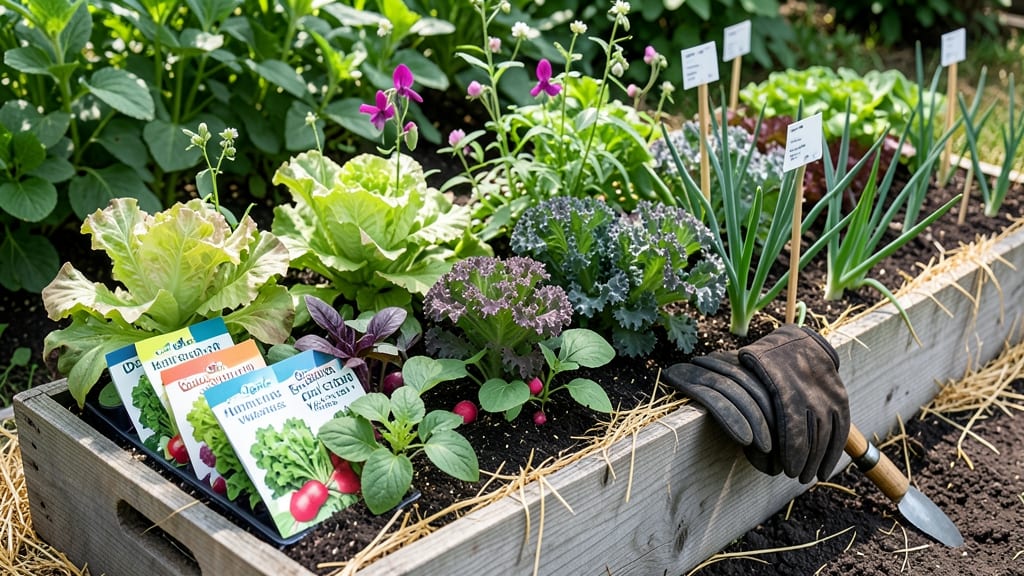
Timing your garden planting in Upstate NY can mean the difference between a thriving harvest and wasted seeds—especially when last frosts linger into May and early frosts creep in by October.
The key is knowing exactly when to plant each crop to beat the clock in zones 5-6, where a single late frost can set your summer vegetables back by weeks.
I’ve grown my fair share of 🌱 gardens up here, and let me tell you: rushing cool-season crops like spinach or peppers too early leads to bolted greens or stunted growth.
But waiting too long for warm-season plants like tomatoes or beans means missing the short window between frost and summer’s peak heat. The solution? Planting by crop type and using local frost dates as your guide.
In this guide, I’ll break down the exact deadlines for planting everything from leafy greens to tomatoes, plus how to adjust for Upstate NY’s microclimates—whether you’re in the cooler Adirondacks or the warmer Finger Lakes.
You’ll learn which crops thrive in early spring, which need to wait until after Memorial Day, and how to stretch your growing season with simple tricks.
Ready to turn your garden into a productive powerhouse? Let’s dive into the perfect planting schedule for your Upstate NY zone, so you can enjoy fresh veggies from summer through fall without the guesswork.
Upstate NY planting deadlines by crop type: cool vs warm season breakdown
Timing your garden in Upstate New York (zones 5-6) means balancing cool-season crops that thrive in chilly soil with warm-season plants that need heat. The key is knowing your last frost date—typically May 15 in most areas, but check local averages.
Planting too early risks frost damage, while waiting too long cuts harvests short.
For cool-season vegetables like spinach, peas, and kale, start seeds indoors 6-8 weeks before your last frost date. These hardy plants handle light frosts and even 32°F temperatures.
In contrast, warm-season crops such as tomatoes, peppers, and cucumbers need soil at 60°F+—wait until two weeks after your last frost to transplant seedlings.
Here’s a quick reference for Upstate NY’s planting windows by crop type, including both spring and fall opportunities:
| Crop Type | Spring Planting Window | Fall Planting Window | Notes |
|---|---|---|---|
| Cool-Season Veggies (spinach, peas, lettuce) | March–April (direct sow) or indoors 6-8 weeks before last frost | August–September (60 days before first frost) | Tolerates light frost; harvest before bolting in heat. |
| Warm-Season Veggies (tomatoes, peppers, cucumbers) | After May 15 (soil 60°F+) | Not recommended (shortened season) | Use row covers for early starts; transplant seedlings. |
| Herbs (basil, cilantro, dill) | After last frost (soil 55°F+) | Late summer (cilantro only; bolts in heat) | Basil dies in frost; cilantro thrives in cool weather. |
| Flowers (marigolds, zinnias, sunflowers) | After May 15 (direct sow or transplant) | Late summer (annuals only) | Perennials like coneflowers can be planted in spring or fall. |
| Perennials (asparagus, rhubarb, strawberries) | Early spring (crowns planted 2-3 weeks before last frost) | Fall (6 weeks before first frost) | Establishes roots before dormancy; mulch heavily. |
For succession planting, repeat sowings every 2-3 weeks for crops like lettuce, radishes, and beans to ensure a steady harvest.
In Upstate NY’s short season, focus on fast-maturing varieties—look for labels like “Early Girl” tomatoes or “Bush Early” peas, which mature in 50-60 days.
Don’t overlook fall planting! Many cool-season crops thrive in autumn’s mild weather. Plant kale, broccoli, and carrots in late August for harvests before the first frost (typically October 15–November 1). Use row covers to extend the season by 2-4 weeks.
Pro tip: Use biodegradable plant pots for seedlings to avoid transplant shock. Harden off seedlings by placing them outdoors for 1-2 hours daily starting 1 week before transplanting. This gradual adjustment helps them adapt to Upstate NY’s variable weather.
If you’re unsure about your last frost date, check the USDA Plant Hardiness Zone Map or local resources like Cornell Cooperative Extension. Their data accounts for microclimates—for example, Albany may frost later than Buffalo.
For container gardening, warm-season crops like peppers and eggplants need extra heat. Place containers near south-facing walls or use black plastic mulch to warm soil faster. In containers, watering frequency increases—check moisture daily in hot summer weeks.
Remember: Soil temperature matters more than air temperature. Use a soil thermometer to confirm 60°F+ for warm-season plants. If soil is cold, delay planting or use black plastic mulch to speed up warming.
How to adjust planting dates for Upstate NY’s microclimates and frost risks
Upstate New York’s frost dates can shift dramatically between counties—Albany’s last spring frost might hit May 15, while Buffalo’s lingers until May 25. These variations mean your planting timeline should account for local microclimates, not just zone averages.
Even a 5-day delay can mean the difference between thriving tomatoes and frost-nipped seedlings.
Microclimates—like south-facing slopes or urban heat islands—can add 1-2 weeks of warmth to your growing season. For example, a garden near a stone wall warms faster in spring than one in a shady valley.
Use these local adjustments to fine-tune your schedule and avoid common mistakes like planting peppers too early or missing the fall planting window for hardy greens.
🚨 CRITICAL ADJUSTMENTS FOR UPSTATE NY GARDENERS 🚨
For fall planting, aim to sow cool-season crops like spinach and kale 6-8 weeks before your first frost (typically October 1-October 15). In colder areas like Adirondacks, this might mean planting by September 15, while western NY can stretch it to October 1. Always mulch heavily to protect roots from early freezes.
Extend your season with season extenders like cold frames or low tunnels. These can push your harvest window 4-6 weeks later in fall or 2-3 weeks earlier in spring. For example, ‘Sugar Snap’ peas planted under a tunnel in early April can yield 30 days sooner than outdoor plantings.
Local resources like Cornell Cooperative Extension offer free frost date calculators tailored to Upstate NY. Input your zip code to get precise last-frost averages, then adjust for 3-5 years of local records.
For instance, if your area had late frosts in 2020 and 2022, delay warm-season crops by 7-10 days as a safety margin.
Finally, succession planting is your best friend in Upstate NY’s short season. Stagger plantings of lettuce, radishes, and bush beans every 2 weeks to ensure a continuous harvest. This works especially well for fast-maturing crops like ‘Cherry Belle’ radishes (25 days) or ‘Provider’ carrots (60 days).