
Planting
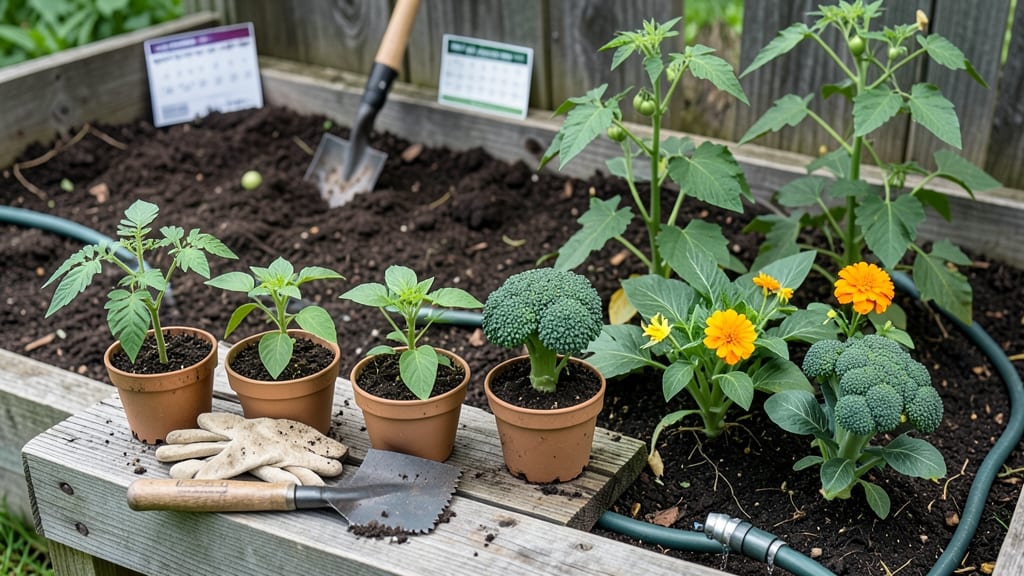
Timing your garden planting in West Virginia can feel like playing a high-stakes game of chance—get it wrong, and your 🌱 General Garden Plants might never reach their full potential.
With last-frost dates shifting from early April in the valleys to late April in the mountains, knowing when to plant isn’t just helpful—it’s essential for success in zones 6a-7a.
I’ve spent years watching my own garden thrive (and occasionally fail) by following the right schedule, and the difference between a bumper crop and a sad little sprout often comes down to just a few weeks.
Whether you’re sowing cool-season greens in March or waiting for the soil to warm up for tomatoes in May, the key is understanding your county’s microclimate.
In this guide, I’ll break down the exact planting windows for your region, including how to adjust for early springs, late frosts, and those tricky mountain valleys. No more guesswork—just a clear, actionable plan to get your garden off to the best possible start.
Ready to stop second-guessing and start planting with confidence? Let’s dive into the 2024 West Virginia planting calendar that’ll have your garden flourishing all season long.
West Virginia last-frost dates by county: your planting timeline
West Virginia’s diverse geography—from the Appalachian Mountains to the Ohio River Valley—creates microclimates that shift last-frost dates by weeks. In higher elevations like Pocahontas County, frost lingers until May 15, while lowland areas like Cabell County often see their final freeze by April 1.
These variations mean your planting schedule should align with your specific county, not just the state average.
For most WV counties, the average last-frost date falls between April 15 and May 1. However, warm-season crops like tomatoes and peppers need soil temperatures above 60°F before planting, which may delay your schedule by 1-2 weeks in cooler zones.
Always check local forecasts and use soil thermometers for precision.
Here’s a breakdown of last-frost dates by region, including cool-season crops (plant 4-6 weeks before) and warm-season crops (plant 2-3 weeks after). Use this as your planting roadmap for 2024:
| County | Last Frost Date | Cool-Season Planting Window | Warm-Season Planting Window | Notes |
|---|---|---|---|---|
| Cabell (Southern WV) | April 1 | February 15 - March 15 | April 15 - May 1 | Urban heat islands delay frost; monitor soil temps. |
| Kanawha (Central WV) | April 10 | February 20 - March 20 | April 20 - April 30 | Valley regions may be 1 week earlier. |
| Monongalia (North-Central) | April 25 | March 1 - March 15 | May 1 - May 10 | Higher elevation; use row covers for early crops. |
| Pocahontas (Highland) | May 15 | March 15 - April 1 | May 15 - May 30 | Short growing season; opt for fast-maturing varieties. |
| Berkeley (Eastern Panhandle) | April 5 | February 20 - March 10 | April 15 - April 25 | Similar to Ohio Valley; watch for early thaws. |
For mountainous counties like Pocahontas or Randolph, consider container gardening or greenhouse starts to extend your growing season. In valley regions like Jackson or Putnam, you can push warm-season crops slightly earlier by using black plastic mulch to warm the soil.
Pro tip: Bookmark the WVU Extension Service’s frost date maps (available at extension.wvu.edu) for real-time updates. Their 10-year averages help account for climate variability—critical when West Virginia’s spring weather swings from 60°F to 32°F in a week.
If you’re planting perennials or trees, aim for early spring (March-April) to give roots time to establish before summer heat. Bulbs like tulips should go in fall (October-November), while annuals like marigolds thrive when direct-sown after your last frost date.
For fall planting, note that first frost typically arrives between October 15 and November 1, depending on elevation. Cool-season crops like kale and spinach can be sown as early as August 15 in southern counties, while northern areas should wait until September 1.
Always pair your planting timeline with soil prep. Work compost into beds 4-6 weeks before planting to improve drainage and warmth. In heavy clay soils (common in WV), mix in sand or peat moss to prevent waterlogging.
Remember: Frost warnings ≠ frost dates. A late-spring freeze can hit even after your average last frost. Keep row covers or frost cloth handy for sensitive seedlings like basil or peppers.
🌱How to adjust planting dates for West Virginia’s microclimates
West Virginia’s diverse geography—from the Allegheny Mountains to the Kanawha Valley—creates microclimates that can shift planting windows by 2-4 weeks. A valley might thaw in mid-April, while a mountaintop could still see frost in early May.
Understanding these variations lets you fine-tune your schedule for maximum success.
Start by identifying your specific microclimate. Urban areas like Charleston or Morgantown often warm faster due to heat islands, while rural highlands (e.g., Pocahontas County) stay colder longer.
Use the WVU Extension’s frost maps as a baseline, then adjust based on your yard’s elevation and sunlight exposure.
- 1. Elevation: Add 1 week per 500 ft to frost dates in mountainous areas (e.g., Monongahela National Forest).
- 2. Urban Heat: Subtract 7-10 days from frost dates in cities (e.g., Huntington warms faster than Lewisburg).
- 3. Cold Air Pockets: Valleys (e.g., Greenbrier Valley) may frost 2 weeks later than surrounding hills.
- 4. Soil Temperature: Use a soil thermometer—wait until soil hits 50°F+ for warm-season crops like tomatoes.
- 5. Wind Exposure: Windy spots (e.g., ridge tops) dry out faster—plant hardy perennials earlier to establish roots.
For warm-season crops (e.g., peppers, cucumbers), wait until 2-3 weeks after your adjusted last-frost date. Cool-season crops (e.g., spinach, kale) can handle light frosts—plant them 4-6 weeks before your expected last frost. Pro tip: Start seeds indoors 6-8 weeks before transplanting to extend your growing season.
Monitor local weather trends using tools like the National Weather Service’s Point Forecast or Old Farmer’s Almanac. Note if your area has late-spring frosts (common in USDA Zone 6a areas like Pendleton County) or early fall frosts (e.g., McDowell County).
Adjust your fall planting accordingly—some years, you’ll need to plant fast-maturing varieties or use row covers.
If you’re unsure, test your soil with a thermometer or plant a sacrificial row of radishes or lettuce 2 weeks before your target date. These fast-growing plants reveal if your microclimate is truly frost-free.
For high-value crops like tomatoes or peppers, consider starter plants from local nurseries—they’re already hardened off and ready to thrive once the last frost passes.
Remember: Microclimates aren’t static. Track your garden’s performance yearly and adjust your calendar based on what you observe. Over time, you’ll develop a custom planting schedule that beats West Virginia’s unpredictable weather every season. 🌱