
Plants
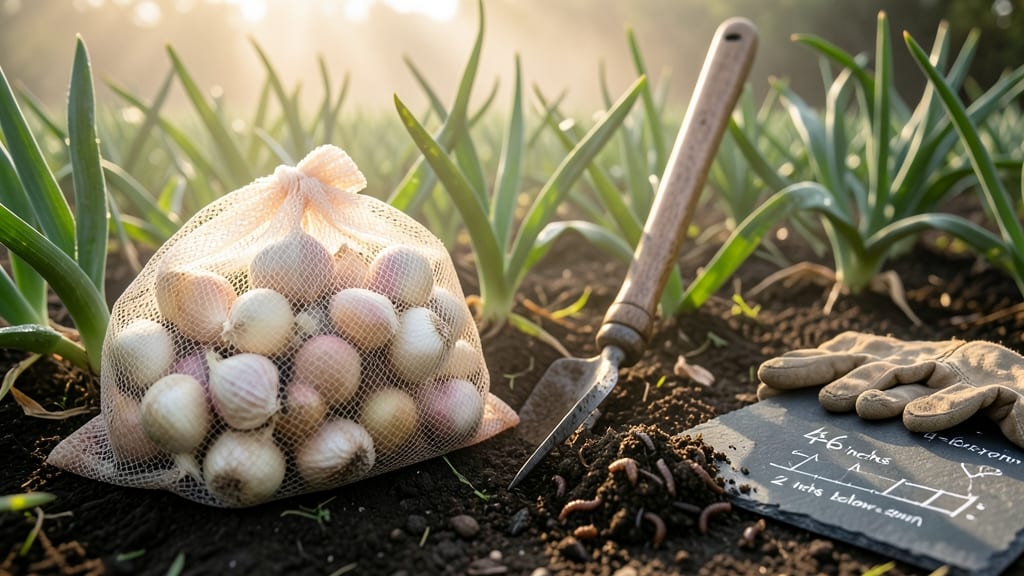
Timing your 🧄 garlic planting in New Jersey isn't just about picking a month—it's about understanding how the 6a-7a climate zones and frost patterns can make or break your harvest.
Plant too early, and your cloves might sprout before winter sets in; too late, and they won’t establish roots before the ground freezes.
I’ve learned the hard way that hardneck varieties—like the popular 'German White'—need to be in the ground by mid-October to form strong bulbs, while softneck types can stretch planting into early November. The key is working with New Jersey’s first frost (usually mid-October) and last frost (mid-November), not against them.
What you’ll discover here is how to sync your planting schedule with soil temperatures, moon phases, and even microclimates—whether you’re in coastal Cape May or inland Trenton. Skip the guesswork and get the exact fall window that guarantees plump, flavorful garlic the following summer.
Let’s break down the 3 critical steps to planting garlic in NJ for a harvest that’ll make your neighbors jealous—starting with the perfect timing.
Best planting months for hardneck vs softneck garlic in New Jersey
New Jersey’s USDA zones 6a–7a create the perfect climate for garlic—but timing is everything. Hardneck varieties (like 'German White') need a cold winter dormancy to form bulbs, while softneck types (like 'Artichoke') can handle milder winters. Planting outside these windows risks weak growth or no harvest at all.
For hardneck garlic, aim for mid-October to early November—this gives roots time to establish before winter. Softneck garlic, however, is more flexible and can go in as late as late November, though early planting (September) yields larger bulbs.
Coastal areas like Cape May freeze earlier, so adjust accordingly.
Here’s the key difference: Hardneck garlic needs 60–80 days of cold (below 40°F) to form scapes and bulbs, while softneck garlic tolerates shorter winters. Use your local frost date (typically mid-November in NJ) as your deadline.
🌱
Garlic Planting Timeline for New Jersey
| Variety | Best Planting Window | Cold Requirement | Harvest Month |
|---|---|---|---|
| Hardneck (e.g., 'Music', 'German Red') | Mid-October to early November | 60–80 days below 40°F | July–early August |
| Softneck (e.g., 'Artichoke', 'Silverskin') | Late September to late November | 30–50 days below 40°F | August–September |
⚠️ Pro Tip: Use a soil thermometer to confirm 50°F soil temps before planting—critical for root establishment.
If you miss the fall window, spring planting is possible but risky—bulbs won’t mature fully before NJ’s hot summers. For spring plantings, use softneck varieties and expect smaller yields. Always source certified disease-free cloves from reputable nurseries like Johnny’s Selected Seeds or Baker Creek.
Soil prep is just as critical as timing. Work in 2–3 inches of compost and a balanced fertilizer (5-10-10) before planting. Loose, well-draining soil prevents rot, especially in NJ’s heavy clay areas. Test your soil’s pH (6.0–7.0)—garlic hates acidity.
For coastal NJ (e.g., Atlantic City), plant 2 weeks earlier than inland areas (e.g., Newark) due to faster frost. Use row covers in late fall to protect young plants from unexpected freezes. Mulch with straw (4–6 inches) after planting to insulate roots through winter.
🌿
Remember: Harvest timing depends on your planting window. Hardneck garlic planted in October will be ready by July, while softneck planted in November may not mature until September. Watch for lower leaves browning and scape formation (hardneck only)—these are your cues to harvest soon.
💡 Final Tip: Label your rows! NJ’s variable weather can confuse even experienced gardeners. Keep a planting journal to track varieties and yields—it’ll help you refine your timing each year.
Best planting months for hardneck vs softneck garlic in New Jersey
New Jersey’s USDA zones 6a–7a create a unique challenge for garlic growers: hardneck and softneck varieties thrive on opposite planting schedules. While hardnecks need a cold winter dormancy to form bulbs, softnecks prefer milder conditions.
Getting the timing wrong can mean weak growth or even no harvest—so let’s break it down by variety.
For hardneck garlic (like 'German White' or 'Music'), aim to plant 4–6 weeks before the ground freezes, typically mid-October to early November.
This gives roots time to establish before winter. Softneck garlic (such as 'Artichoke' or 'Silverskin'), however, should go in September or early October—earlier than hardnecks—to avoid winter stress.
Here’s the key difference: Hardnecks need cold temps to form bulbs, while softnecks avoid harsh winters. In New Jersey, where frosts can hit as early as mid-October or as late as mid-November, timing is everything. Plant too early, and cloves may rot; too late, and bulbs won’t mature properly.
| Variety | Best Planting Window | Why It Matters | NJ-Specific Tip |
|---|---|---|---|
| Hardneck (e.g., 'German White') | Mid-October to early November | Needs cold winter dormancy for bulb formation | Plant after soil temps drop below 50°F but before hard frost |
| Softneck (e.g., 'Artichoke') | Late August to early October | Prefers milder winters; avoids frost stress | Ideal for coastal NJ (warmer microclimates) |
New Jersey’s microclimates add another layer. Coastal areas (like Cape May) stay milder, allowing softneck planting into early October, while inland zones (e.g., Sussex County) may need hardnecks planted by late October.
Check your last frost date—most of NJ averages mid-November, but use a soil thermometer to confirm.
Pro tip: If you’re unsure about frost dates, use row covers or mulch heavily (4–6 inches of straw) to protect young plants. Hardnecks will still form bulbs with winter protection, while softnecks avoid cold damage entirely. Just don’t mulch too early—wait until soil temps drop below 50°F to prevent rot.
Finally, remember that garlic is a perennial in NJ’s climate, but you’ll harvest and replant cloves annually. The best time to plant is always tied to your variety’s needs—and New Jersey’s unpredictable frosts.
Start with hardnecks in October for a reliable crop, then experiment with softnecks if you’re in a warmer zone.