
Plants
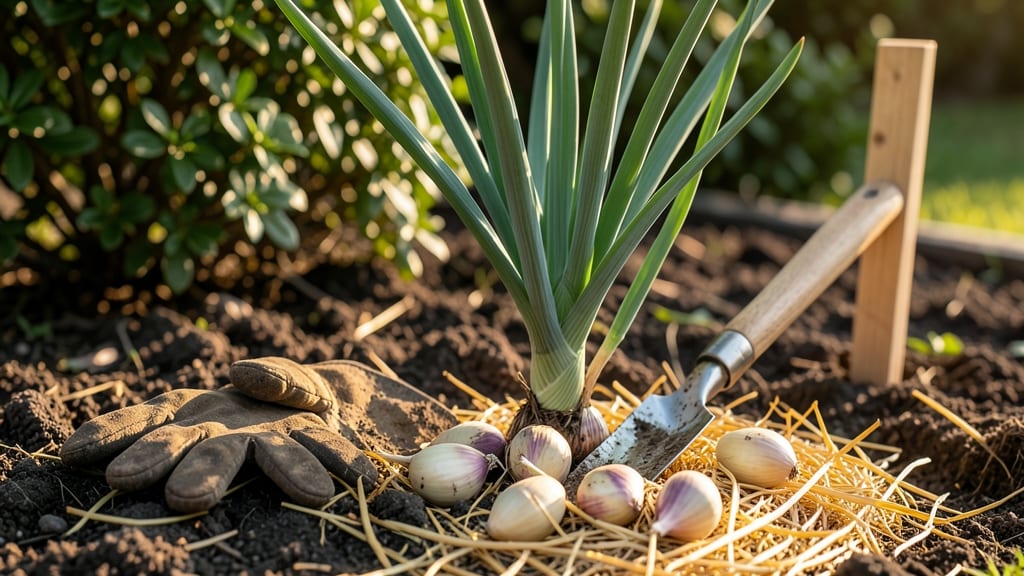
Timing your garlic planting in Zone 5a could be the difference between a harvest of plump, flavorful 🧄 bulbs and a disappointing batch of small, weak ones.
The 4-6 week window before the ground freezes is critical—plant too early, and you risk rot; too late, and the cloves won’t establish roots before winter sets in.
I’ve learned that hardneck varieties, like Rocambole or German White, thrive when planted in October or early November, while softneck types (like Silverskin) can handle a slightly later window.
The key is getting those cloves in the ground when soil temps hover around 40-50°F, giving roots time to anchor before frost.
Don’t stress if your schedule isn’t perfect—this guide breaks down exactly how to adjust for your specific frost dates and soil conditions. We’ll also cover mulching tricks to protect your garlic through winter and when to expect those first green shoots in spring.
Ready to grow garlic that rivals store-bought? Let’s dive into the step-by-step timing and care tips that’ll set you up for a bumper harvest next summer.
Optimal planting windows for Zone 5a garlic: hardneck vs softneck timing guide
In Zone 5a, timing your garlic planting is everything—especially when choosing between hardneck and softneck varieties. Hardnecks thrive when planted in fall (October–November), while softnecks offer flexibility with fall or spring planting.
The key? Planting before the ground freezes but after soil temperatures drop below 50°F ensures strong root development before winter.
For Zone 5a, aim to plant 4–6 weeks before your first hard frost (typically mid-October to early November). This window balances cold exposure for flavor development and protection from extreme cold.
Hardnecks, like 'Music' or 'German White', need this cold period to form bulbs, while softnecks, like 'Silverskin', can tolerate milder winters.
🌱 Pro Tip: Use a soil thermometer to confirm temperatures are consistently below 50°F—this signals it’s time to plant. If you miss fall, softnecks can still go in early spring (March–April), but bulbs may be smaller.
🌱 Garlic Planting Timeline for Zone 5a
| Variety | Best Planting Window | Soil Temp Threshold | Key Consideration |
|---|---|---|---|
| Hardneck (e.g., 'Music', 'German White') | October–November | Below 50°F | Needs cold dormancy for bulb formation |
| Softneck (e.g., 'Silverskin', 'Artichoke') | October–November or March–April | Above 40°F (spring) | More flexible but smaller bulbs in spring |
⏰ Zone 5a Frost Dates: First frost ~November 15, last frost ~April 15
Regional adjustments matter in Zone 5a. If you’re in northern parts (like Minnesota or Upstate New York), plant by late September to avoid early freezes.
Southern Zone 5a areas (like Virginia) can wait until early November. Always check your local USDA Plant Hardiness Zone Map for precision.
After planting, mulch heavily (4–6 inches of straw or leaves) to insulate bulbs through winter. This protects roots from freeze-thaw cycles and prevents heaving. In Zone 5a, mulch also suppresses weeds and retains moisture—critical for spring growth.
Hardnecks planted in fall will sprout in spring (March–April) and bolt (flower) by June. Softnecks planted in spring may bolt later or not at all, but their bulbs store longer. Harvest both when lower leaves brown (typically July–August), but never let bulbs sit in wet soil.
🌿 Common Mistake: Planting too late in fall risks rot if soil stays wet. If ground is frozen, wait until spring (but only for softnecks).
For hardneck garlic, fall planting is non-negotiable—it’s the only way to get those prized flavorful bulbs and scape shoots. Softnecks, while more adaptable, won’t reach their full potential without the cold stratification hardnecks crave.
Test a few cloves each fall to see which variety thrives best in your microclimate!
5 Critical factors that determine your garlic planting success in Zone 5a
Getting the timing right is only half the battle—your garlic's success in Zone 5a depends on five critical factors beyond just when you plant. Let’s break down what truly matters for robust bulbs and healthy growth.
First, your soil preparation sets the foundation. Garlic thrives in well-draining soil with a pH between 6.0 and 7.0. Test your soil before planting—amending with compost or aged manure can make all the difference for nutrient uptake.
Clove selection is another game-changer. Choose plump, firm cloves from hardneck varieties like 'German White' or softneck types such as 'Silverskin'. Smaller cloves produce smaller bulbs, so prioritize size when shopping.
Proper spacing is often overlooked but crucial. Plant cloves 4–6 inches apart in rows spaced 12–18 inches apart. This spacing reduces competition for nutrients and improves airflow, cutting down on fungal diseases like white rot.
Don’t skip mulching—this step is non-negotiable in Zone 5a. Apply 4–6 inches of straw or leaves after planting to insulate the soil. Mulch keeps roots from freezing in winter and suppresses weeds, saving you time and effort.
Finally, avoid common mistakes like planting too deep or using diseased cloves. Break bulbs apart just before planting, and discard any cloves with soft spots or mold. These small steps can mean the difference between a mediocre harvest and a bountiful one.