
Plants
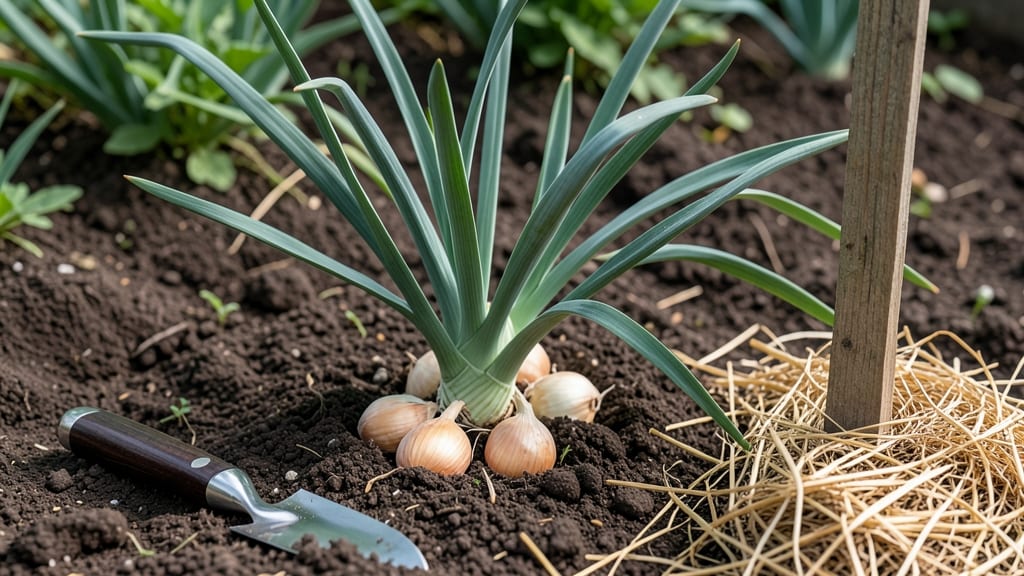
Planting garlic in Zone 8b at the wrong time can turn your hard work into a frozen disappointment—because unlike most plants, garlic needs cold to form those plump, flavorful bulbs you crave.
The secret lies in timing it just right: too early, and your cloves rot; too late, and they bolt before winter even settles in.
For Zone 8b gardeners, the ideal window is October through November, when soil temps hover around 50-60°F—cool enough to trigger dormancy but warm enough to avoid frost damage. This gives garlic 4-6 weeks of root establishment before winter sets in, setting the stage for next summer’s harvest.
But here’s the kicker: not all garlic varieties handle Zone 8b’s mild winters the same way. Hardneck types like ‘German White’ thrive in our cooler falls, while softneck varieties (like ‘Silverskin’) play it safer with a longer growing season.
I’ll show you exactly which ones to pick—and how to prep your soil to lock in success.
Skip the guesswork and get the step-by-step timing that keeps your garlic growing strong through winter. Let’s make sure your cloves get the perfect start—because a well-timed planting means a bigger harvest come June or July.
Optimal planting months for garlic in Zone 8b: avoiding frost risks
Zone 8b’s mild winters make garlic planting a balancing act—plant too early, and your cloves rot in warm soil; too late, and frost stunts growth. The ideal window is 4-6 weeks before your first hard frost, which in Zone 8b typically lands between mid-October and early November.
For most of Zone 8b, this means starting in late October to ensure roots establish before winter chill sets in.
If you’re near the cooler edge of Zone 8b (like Northern California or the Appalachians), aim for early October planting. Conversely, in warmer microclimates (e.g., Southern Arizona or Florida’s interior), you can push planting to November without risking frost damage.
Always check your local last frost date—Zone 8b’s average first frost is December 15, but microclimates vary.
Here’s the golden rule: Soil temperature should be below 70°F but above freezing when you plant. Use a soil thermometer to confirm—garlic cloves need cool soil to sprout without rotting.
In Zone 8b, this usually aligns with late October to early November, but never plant after November 15, or your garlic may bolt prematurely.
Spring planting is possible in Zone 8b, but it’s riskier. If you miss fall, plant in early February for a summer harvest, though bulbs will be smaller. Spring garlic thrives in cooler climates but struggles with Zone 8b’s heat—expect 50% smaller yields compared to fall-planted garlic.
| Planting Window | Zone 8b Ideal Months | Soil Temp Requirement | Frost Risk |
|---|---|---|---|
| Fall Planting | Late October - Early November | Below 70°F, above freezing | Low (roots establish before frost) |
| Spring Planting | Early February | 40-60°F (cooler is better) | None (but heat stress risk) |
| Late Planting Warning | After November 15 | N/A (bolt risk) | High (premature bolting) |
Pro tip: Hardneck varieties (like 'German White') handle Zone 8b’s mild winters better than softneck types (e.g., 'Silverskin').
Hardnecks need cold vernalization to form bulbs, so they’re the best choice for fall planting in Zone 8b. If you’re experimenting, try 'Artichoke' garlic—it’s a hybrid that bridges hardneck and softneck traits and performs well in transitional zones.
Adjust for your specific microclimate: Urban areas with heat islands may need earlier planting, while coastal regions can plant later due to cooler ocean breezes.
For example, San Francisco (Zone 8b) can safely plant until November 10, while Phoenix (Zone 8b) should plant by October 20 to avoid winter warmth.
Mark your calendar for October 20-31 as your primary planting window. If you’re unsure, err on the earlier side—garlic planted in late October will have larger bulbs than those planted in November. Just ensure your soil is well-draining to prevent rot during Zone 8b’s occasional winter rains.
Remember: Zone 8b’s mild winters are a double-edged sword. While frost is less severe than in colder zones, warm spells in winter can trick garlic into sprouting too early, leading to small, weak bulbs.
Mulch with 4-6 inches of straw after planting to insulate roots and maintain steady soil temps.
Finally, test your soil’s readiness by planting a few cloves in late September as a trial. If they sprout within 2 weeks, your soil is too warm—wait another 2-3 weeks before full planting. This simple trick saves you from rotten cloves and wasted effort.
Optimal planting months for garlic in Zone 8b: avoiding frost risks
Zone 8b’s mild winters create a unique challenge for garlic growers—plant too early, and your cloves may rot before winter dormancy. Too late, and they won’t establish strong roots before frost arrives.
The sweet spot is a 4-6 week window before your first hard frost, which typically hits around December 15 in this zone.
For most of Zone 8b, aim to plant garlic between mid-October and November 1st. This timing ensures cloves develop 3-4 inches of roots before winter slows growth. In coastal areas with warmer microclimates, you might extend planting until mid-November, but avoid pushing past Thanksgiving.
📅 Zone 8b Garlic Planting Timeline
| Timeframe | Key Action | Soil Temp |
|---|---|---|
| Mid-October | Plant cloves 2" deep | 60-70°F |
| November 1-15 | Roots establish (1-2" growth) | 50-60°F |
| December 15+ | Winter dormancy begins | Below 50°F |
⚠️ Pro Tip: Use a soil thermometer to confirm temps drop below 50°F before winter.
If you miss the fall window, don’t despair—Zone 8b also allows for early spring planting between February 15 and March 15. Spring-planted garlic matures faster but yields 20-30% smaller bulbs than fall crops. For best results, stick with fall planting and save spring for green garlic or scapes.
Microclimates play a huge role in Zone 8b. Valleys and low-lying areas freeze earlier than hilltops, so adjust your planting date 1-2 weeks earlier if you’re in a frost pocket. Conversely, urban heat islands may delay frost by 10-14 days, giving you extra time to plant.
Test your soil’s readiness by checking for frost penetration depth. If your garden freezes deeper than 6 inches, plant garlic in raised beds or on south-facing slopes to prevent bulb rot. Mulch with straw (4-6 inches) after planting to insulate cloves without suffocating them.
Remember: Garlic planted in Zone 8b’s mild winters often grows year-round if conditions are right. The key is timing—get those cloves in the ground when soil temps hover around 60°F and days are 50-60°F at night. With the right timing, you’ll harvest plump bulbs next summer instead of shriveled disappointments.