
Plants
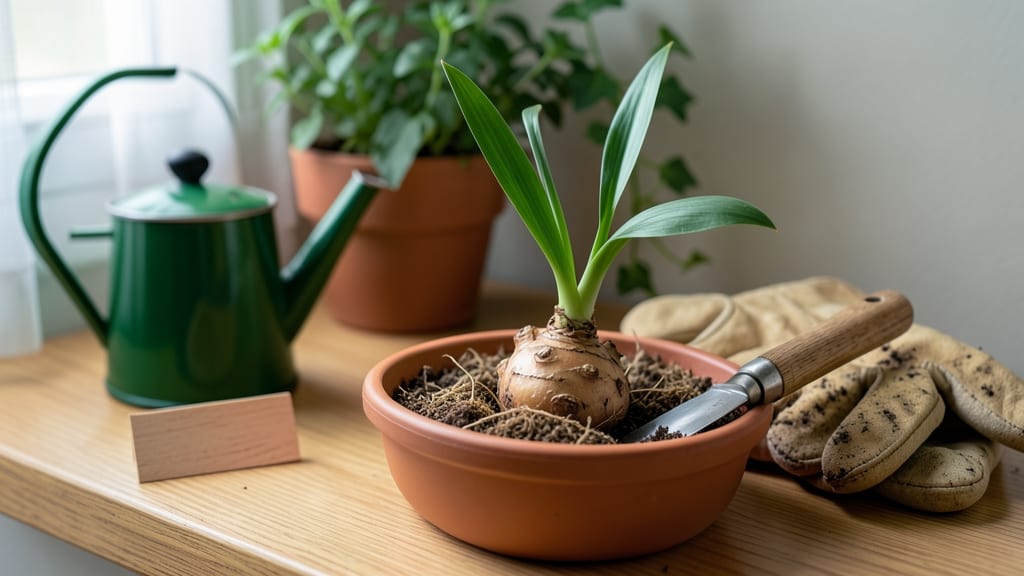
To plant ginger in California and guarantee a bountiful harvest, timing is everything—and getting it wrong could mean wasted effort. Unlike many plants, ginger thrives in frost-free zones like coastal areas (USDA 9b-10) but needs careful planning even in inland regions (8a-9a).
Most gardeners assume you can plant ginger anytime, but the truth is, soil temperatures below 60°F stunt growth, while coastal microclimates allow year-round planting. Whether you're growing edible rhizomes or ornamental varieties, the key lies in matching your location's unique frost dates and seasonal shifts.
I’ve tested these strategies across California’s diverse climates, from Los Angeles’ mild winters to the Central Valley’s hot summers. You’ll learn exactly when to start your rhizomes—whether in February for inland zones or year-round in frost-free coastal areas—and how to extend your growing season with simple tricks.
Ready to skip the guesswork? Let’s break down the soil temperature secrets and microclimate hacks that make all the difference between a thriving patch of 🌿 ginger and a failed experiment.
Best California planting windows for ginger by region (soil temp & frost zones)
California’s diverse climate—from frost-prone inland valleys to mild coastal areas—means ginger planting windows vary dramatically. The key to success? Soil temperatures above 60°F and avoiding frost. In USDA Zones 9b-11 (coastal), you can plant year-round, while Zones 8a-9a (inland) require precise timing to dodge late frosts.
For coastal gardeners in San Diego or Santa Barbara, ginger thrives with year-round planting thanks to near-zero frost risk. Meanwhile, inland areas like Sacramento or Fresno face last frost dates between February 15 and March 15, making late winter the safest bet.
Desert regions like Palm Springs can plant anytime, but summer heat demands extra shade.
Here’s the regional breakdown you need to align planting with California’s microclimates:
| Region | USDA Zone | Best Planting Window | Soil Temp Threshold | Frost Risk |
|---|---|---|---|---|
| Coastal (e.g., San Diego, Santa Barbara) | 9b-11 | Year-round (peak: Feb-Apr) | 60°F+ (always) | None (rare frost) |
| Inland Valleys (e.g., Sacramento, Fresno) | 8a-9a | Late Feb–early Mar | 60°F+ (wait for stable temps) | High (last frost: Feb 15–Mar 15) |
| Desert (e.g., Palm Springs, Joshua Tree) | 10a-11 | Year-round (avoid summer heat) | 65°F+ (summer shade required) | None |
| Mountain Foothills (e.g., Lake Tahoe area) | 7b-8a | Mid-April–May | 65°F+ (delay until soil warms) | Moderate (last frost: Apr 1) |
Pro tip: Use a soil thermometer to confirm 60°F+ soil temps before planting. Inland gardeners should wait until nighttime lows stay above 50°F to avoid frost damage. For container gardening (common in urban areas), move pots indoors if frost threatens.
If you’re in a transition zone (e.g., Los Angeles basin), err on the side of late February planting.
Coastal areas can push to early January, but monitor weather forecasts for rare cold snaps. Ornamental ginger varieties (like Alpinia) tolerate slightly cooler temps, but edible ginger needs warmth to thrive.
For extended harvests, stagger plantings every 4-6 weeks in frost-free zones. This ensures a continuous supply of rhizomes over 9-12 months. Just remember: Ginger hates cold soil, so never rush planting in spring—wait for the soil to warm naturally.
🌱
How to extend your ginger growing season in California’s climate (pro tips)
California’s diverse climate—from coastal fog to inland heat—can make ginger growing feel like a high-stakes gamble. But with the right strategies, you can push your planting windows earlier or later than traditional March-April timelines. The key? Microclimate mastery and smart adaptations for your specific zone.
For coastal gardeners (USDA Zones 9b-11), where frost is rare, you can plant ginger year-round with minimal risk. Inland growers (Zones 8a-9a) should focus on late winter protection to avoid unexpected chilly snaps. Even desert areas can succeed with shade adjustments and mulching techniques.
🌱
Extended Season Strategies
Traditional Planting (Mar-Apr)
- ✅ Best for: All regions
- ✅ Harvest time: 9-12 months
- ✅ Low risk of frost
- ❌ Limited seasonal flexibility
Extended Season (Feb-May)
- ✅ Earlier harvests (Feb planting)
- ✅ Later harvests (May planting)
- ✅ Year-round in coastal zones
- ❌ Requires protection strategies
Pro Tip:
Use row covers or cloche tunnels to plant ginger as early as February in inland zones. Remove covers when soil warms to 60°F+.
One of my favorite tricks for coastal gardeners is using drip irrigation with shade cloth. This mimics the natural partial shade ginger loves while keeping roots cool. In desert climates, I’ve had success planting ginger under drip shade structures and watering deeply every 3-5 days to prevent stress.
For container gardening—perfect for urban Californians—choose large pots (12"+ diameter) with well-draining mix. Move pots to protected spots during unexpected cold snaps, and use black plastic mulch to warm soil faster in spring. This lets you plant 2-3 weeks earlier than ground planting.
Remember: Soil temperature matters more than air temperature. Use a soil thermometer to confirm 60°F+ before planting. If your soil is still cool, wait—ginger rhizomes rot in chilly conditions. Patience here means zero frost damage and a healthier harvest.
🌿