
Plants
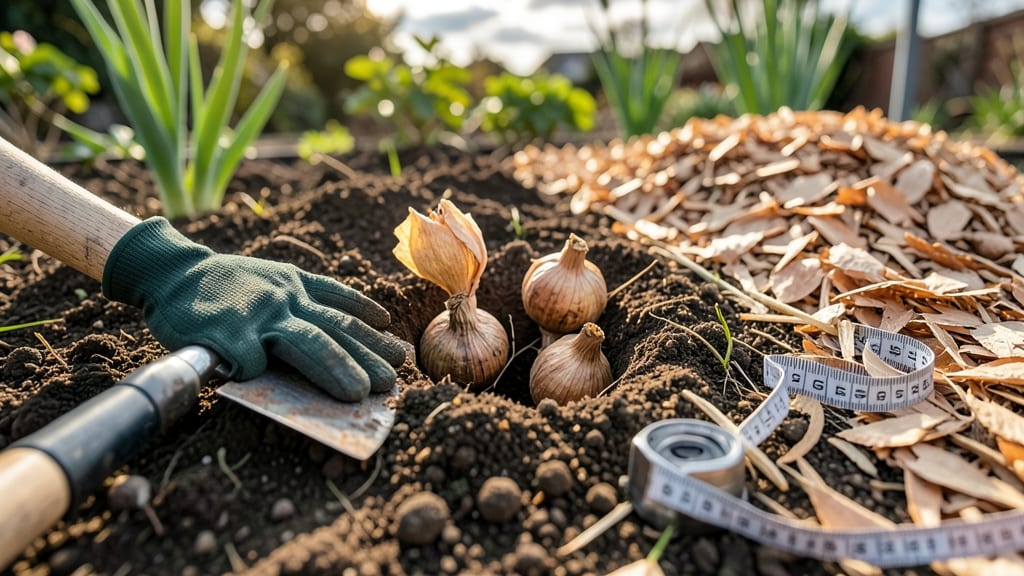
Planting gladiolus bulbs at the right time in Connecticut can make all the difference between a garden bursting with 🌸 and a missed opportunity. With your Zone 6B climate, timing these corms correctly—typically between mid-April and mid-May—ensures they thrive before summer heat arrives.
The key is waiting for the last frost to pass, usually around April 15, so your gladiolus get a strong start without frost damage.
Why does this matter? Gladiolus love warmth and need 6+ hours of sunlight daily to reach their full height of 4-5 feet. Planting too early risks frost damage, while waiting too long may delay blooms until late summer.
I’ll walk you through the exact deadlines and soil prep tips to give your gladiolus the best shot at vibrant summer color.
Connecticut’s unpredictable spring weather can throw off even the best-laid plans. That’s why knowing how to adjust for late frosts or cooler microclimates is most important. We’ll cover soil warming tricks and mulching techniques to keep your bulbs cozy until they’re ready to shoot up.
Trust me, getting this right means fewer wasted bulbs and more stunning 🌸 displays.
Ready to transform your garden? Let’s dive into the precise planting timeline, soil prep secrets, and care tips that’ll have your gladiolus towering over your neighbors’ flowers by July. You’ll learn how to time it perfectly—no guesswork, just results.
Gladiolus planting deadlines in CT zone 6B: exact dates for frost-free success
Connecticut’s Zone 6B climate demands precise timing when planting gladiolus bulbs—miss the window, and you risk stunted growth or winter kill. The last average frost date in CT is around April 15, but soil temperature is the true indicator.
Aim to plant 4-6 weeks before your area’s final frost, typically mid-April to mid-May. This gives corms time to root before summer heat arrives.
Gladiolus thrive in warm soil (at least 60°F) and full sun. In CT, soil warms slowly, so don’t rush—planting too early in cold soil can rot corms.
Use a soil thermometer to confirm readiness. If temperatures fluctuate, opt for container planting to control conditions. This flexibility is key for CT’s unpredictable spring weather.
Critical deadlines for CT gardeners:
- Last frost date: April 15 (use this as your 6-week backward count)
- Ideal planting window: April 15–May 15
- Late planting cutoff: June 1 (for summer blooms, but expect smaller flowers)
- Fall planting window: September 15–October 1 (risky but possible with protection)
| Stage | Action | CT Timeline |
|---|---|---|
| Soil Prep | Loosen soil, amend with compost | March–early April |
| Planting | Bulbs 4–6" deep, 6" apart | April 15–May 15 |
| Sprouting | Shoots emerge, thin if crowded | Late May–June |
| Blooming | Full sun, stake tall varieties | July–September |
| Post-Bloom | Cut back, dig corms if frost risk | October–November |
For summer-long blooms, stagger planting every 2 weeks from mid-April through June. This ensures a continuous display of gladiolus varieties like ‘Green Garter’ or ‘Picasso,’ which thrive in CT’s heat. Avoid planting after June 15—late corms may not flower before frost or handle CT’s humid summers well.
In container gardens, extend your window by 2–3 weeks—pots warm faster and let you move plants to protected spots if late frosts hit. Use black plastic mulch to raise soil temps 5–10°F faster, a game-changer for CT’s cool springs.
Monitor local frost forecasts and cover young shoots with frost cloth if nights dip below 32°F.
Pro tip: Pre-chill corms for 1–2 weeks in the fridge before planting to mimic winter dormancy. This jump-starts growth once soil warms. Store bulbs in a cool, dry place (like a garage) until 2 weeks before planting. Overwintering corms indoors prevents rot from CT’s damp springs.
If you’re new to gladiolus, start with early-blooming varieties like ‘White Friendship’—they tolerate cooler soils better than late bloomers. For cut flowers, prioritize tall varieties (4–5 ft) like ‘Black Star,’ but stake them early to handle CT’s windy summers.
Always plant corms with the pointy end up—this critical step prevents poor growth.
Remember: CT’s microclimates vary. Coastal areas (like New London) warm earlier than inland spots (like Hartford). Check your specific frost dates via the CT Agricultural Experiment Station or local nurseries. When in doubt, plant containers—they’re your safety net for unpredictable weather.
Once planted, water deeply once a week (1–2 cups per bulb) and mulch with straw to retain moisture. Gladiolus are drought-tolerant but won’t thrive in waterlogged soil—CT’s clay-heavy soils need amending with sand or perlite for drainage. With these deadlines nailed, you’re set for show-stopping summer blooms!
How to adjust gladiolus planting for CT’s unpredictable spring weather
Connecticut’s spring weather can be as unpredictable as a garden gnome’s mood—one day it’s 60°F, the next it’s 32°F with frost warnings. This volatility makes timing your gladiolus planting tricky, but with the right adjustments, you can outsmart Mother Nature.
The key is preparing your soil and protecting your plants from late frosts, which are common in Zone 6B until mid-May.
Start by testing your soil’s temperature—gladiolus corms need soil that’s at least 60°F to sprout successfully. Use a soil thermometer to check before planting. If your soil is still chilly, consider using black plastic mulch or row covers to warm it up faster.
These tricks can shave weeks off your planting timeline, especially in cooler microclimates like northern CT.
Planting too early in CT can mean frost-killed shoots. If frost is forecasted after planting, cover your gladiolus with frost cloth or a lightweight blanket. Never use plastic directly on plants—it can burn foliage in sunlight.
🌡️ Pro Tip: Monitor the National Weather Service for frost advisories and keep a backup planting date ready.
Another smart strategy is to stagger your planting. Instead of putting all your corms in the ground at once, plant half in early May and the other half 2 weeks later.
This ensures you’ll have blooms at different times, extending your summer display and reducing the risk of losing everything to a single late frost. Plus, it’s a great way to experiment with different gladiolus varieties that bloom at various times.
If your spring is particularly slow to warm up, consider starting your gladiolus indoors. Plant corms in biodegradable pots filled with moist potting mix and place them in a sunny window or under grow lights.
Once the soil outside reaches 60°F, transplant the pots directly into the ground—roots will already be established, giving your plants a head start.
Don’t forget about watering adjustments during unpredictable springs. Gladiolus corms are sensitive to waterlogged soil, so if rain delays your planting, avoid overwatering. Instead, focus on keeping the soil evenly moist but well-draining.
A 5-gallon bucket with drainage holes works well for temporary watering solutions if your garden is too wet to dig.
Finally, keep an eye on your gladiolus foliage as it emerges. Healthy shoots should be straight and vibrant green. If you notice yellowing or wilting, it could be a sign of cold stress or rot.
In this case, trim back the damaged leaves and apply a balanced fertilizer (like 10-10-10) to help the plant recover. With these adjustments, you’ll turn CT’s unpredictable spring into your gladiolus’ best ally.