
Companion Plants
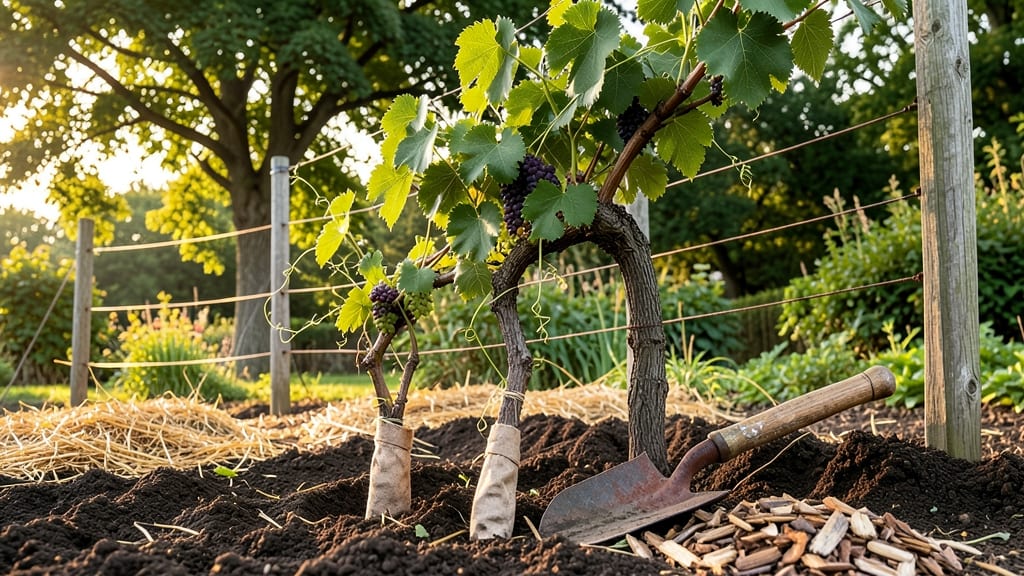
Planting grapes in Alabama at the wrong time can mean the difference between a thriving vineyard and a disappointing harvest.
The perfect window for planting these 🍇 powerhouses depends on your region’s chill hours and soil temperatures—get it right, and you’ll set up your vines for strong root growth and bountiful fruit.
Whether you’re in North Alabama with cooler winters or South Alabama’s warmer climate, timing matters. Most gardeners swear by late winter to early spring planting, but there’s more to it than just the calendar.
Understanding your local frost dates and grape variety needs can help you avoid common pitfalls like frost damage or stunted growth.
I’ll break down exactly when to plant different grape types—muscadines, vinifera, and hybrids—based on Alabama’s unique growing zones. You’ll also discover how to prep your soil, choose the right location, and give your vines the best start for a successful harvest later in the year.
Ready to grow grapes that thrive? Let’s dive into the key steps to planting at the ideal time for your Alabama garden.
Best planting times for Alabama grapes by variety and chill-hours
Alabama’s diverse climate—from the cooler Appalachian foothills to the Gulf Coast’s subtropical warmth—creates unique challenges for grape growers. The biggest factor? Chill hours, which determine whether a grape variety will bud, flower, and fruit successfully.
Most of Alabama falls within USDA Zones 7a-8b, with chill hours ranging from 300 in the south to 1,000+ in the north. Choosing the right variety and planting at the right time ensures your vines thrive.
For muscadine grapes (native to the Southeast), 300-500 chill hours are ideal, while vinifera grapes (like Cabernet Sauvignon) need 1,000+ chill hours—making them better suited for North Alabama. Hybrid varieties (e.g., Norton) bridge the gap with 500-800 chill hours, working well statewide.
Planting too early risks frost damage, while planting too late delays root establishment. The sweet spot is late winter to early spring, when soil temps hover around 60°F—perfect for root growth.
Here’s how to match your grape variety to Alabama’s chill-hour zones and planting windows:
| Variety | Chill-Hour Range | Best Planting Window | Soil Temp for Planting | Notes |
|---|---|---|---|---|
| Muscadines (e.g., Scuppernong, Carlos) | 300–500 | Late February–March | 55–65°F | Heat-tolerant; thrives in South Alabama. |
| Hybrids (e.g., Norton, Catawba) | 500–800 | Mid-February–April | 50–60°F | Versatile; works statewide. |
| Vinifera (e.g., Cabernet Sauvignon, Chardonnay) | 1,000+ | March–early April | 60–70°F | Best for North Alabama; needs winter chill. |
Spring planting (February–March) is ideal for most Alabama growers because it allows vines to establish roots before summer heat. However, fall planting (October–November) can work in North Alabama if you choose dormant bare-root vines and mulch heavily to protect roots from winter freezes. Avoid planting in late spring or summer, as young vines struggle to adapt to heat stress.
Soil temperature is just as critical as air temperature. Use a soil thermometer to confirm temps are above 50°F before planting. In South Alabama, where winters are mild, you can plant as early as late January, but North Alabama gardeners should wait until mid-March to avoid late frost risks. Pro tip: Mulch with straw or wood chips after planting to insulate roots and retain moisture during Alabama’s hot, dry summers.
For container growing (common in urban Alabama), plant in late spring (April–May) to avoid root-bound stress. Containers dry out faster, so ensure they have drainage holes and use well-draining potting mix.
Dwarf varieties like ‘Black Monukka’ or ‘Sweet Scarlet’ are great choices for patio gardens, but they still need full sun (6+ hours daily) and consistent watering during fruiting.
Frost dates are your biggest enemy in Alabama. The average last frost in Birmingham is March 15, while Mobile sees its last frost by February 15. Use these dates as a guideline, but check your local Alabama Extension office for microclimate-specific data. If you’re in a frost-prone valley, opt for early-maturing varieties like ‘Fry’ grapes or plant near a south-facing wall for extra warmth.
One final tip: Bare-root vines (sold dormant) are best for Alabama planting. Soak them in water for 2–4 hours before planting to rehydrate roots. If you’re using potted vines, prune back any dead or damaged roots and plant at the same depth they were growing in the container.
This reduces transplant shock and sets your vines up for stronger growth in Alabama’s humid climate.
Timing your grape planting correctly isn’t just about the calendar—it’s about matching your variety to your microclimate and giving your vines the best start possible. With the right chill-hour match and planting window, you’ll be enjoying homegrown Alabama grapes in as little as 2–3 years! 🍇
Best planting times for Alabama grapes by variety and chill-hours
Alabama’s diverse climate zones mean your grape planting success hinges on matching varieties to your region’s chill hours. North Alabama (USDA Zones 7a-7b) typically sees 500-800 chill hours, while South Alabama (Zones 8a-8b) averages 300-500 hours.
Choosing the wrong variety can lead to poor fruit set or no harvest at all.
For muscadine grapes, Alabama’s native variety, plant in late winter to early spring (February-March) when soil temps reach 60°F. These heat-loving grapes thrive with minimal chill hours (300-500 hours) and produce sweet, seedless fruit perfect for fresh eating or jellies.
Vinifera grapes, like Cabernet Sauvignon, need 800-1,000+ chill hours and are best suited for North Alabama. Plant these dormant vines in late winter (February) to avoid spring frosts.
Hybrid varieties like Norton (also called Cynthiana) bridge the gap with 500-700 chill hours, making them versatile for most of the state.
| Variety | Chill Hours | Best Planting Time | Soil Temp | Notes |
|---|---|---|---|---|
| Muscadines | 300-500 | Feb-Mar | 60°F+ | Native to AL; heat-tolerant |
| Vinifera (e.g., Cabernet) | 800-1,000+ | Late Feb | 55°F+ | North AL only; needs trellis |
| Hybrids (e.g., Norton) | 500-700 | Feb-Mar | 58°F+ | Versatile; disease-resistant |
Fall planting is risky in Alabama due to late-season rains and fungal diseases. If you must plant in fall, choose bare-root vines in October and protect them with 4-6 inches of mulch to insulate roots from temperature swings.
Always plant 2-3 feet deeper than the root ball to encourage strong root growth in warmer soils.
Pro tip: Test your soil’s pH (6.0-6.5 ideal) and amend with compost or sulfur before planting. Alabama’s clay-heavy soils often need sand or organic matter to improve drainage. A well-prepared site ensures your vines establish roots quickly, setting you up for a bountiful harvest in 2-3 years.
For precise chill-hour data, check the Alabama Cooperative Extension System or use a chill-hour calculator tailored to your ZIP code. Timing is everything—get it right, and your grapevines will reward you with juicy, homegrown fruit for decades.