
Plants
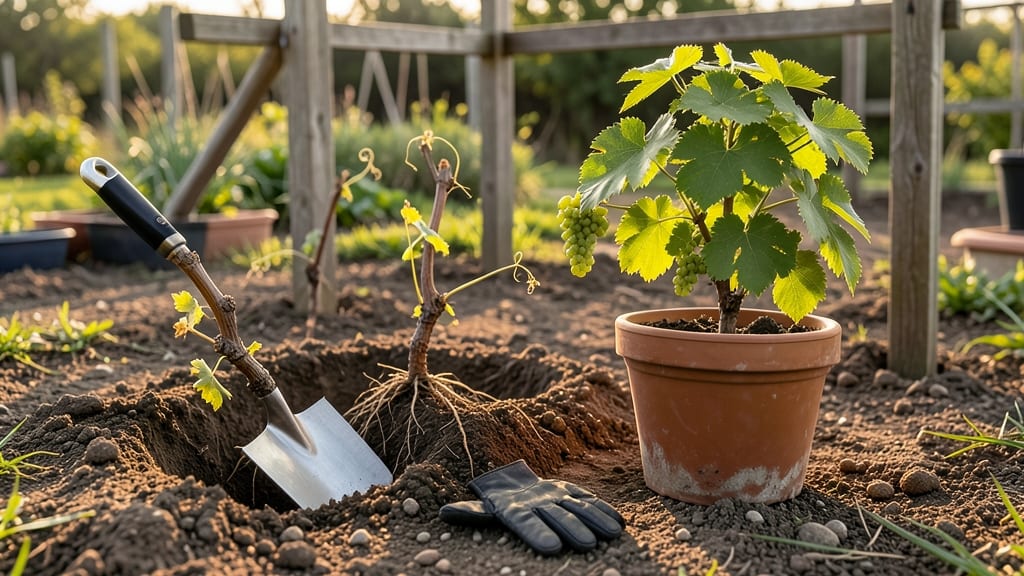
Planting grapes in Arizona might seem tricky with its extreme heat, but timing it right in the cool winter months sets you up for success.
The key is getting those vines in the ground between November and February, when temperatures are mild and the risk of frost has passed for most regions.
Why does this matter? Arizona's USDA Zone 9b climate means your grapes will face scorching summers if they don't establish strong roots first. I've seen firsthand how vines planted too early struggle with winter chills, while those planted too late wilt under summer's intensity. The perfect window balances these extremes.
You'll learn exactly which month works best for your specific Arizona location, whether you're in the low desert's heat or the high desert's cooler nights. We'll cover soil prep, watering tricks, and how to protect young vines from unexpected frost - all tailored to Arizona's unique growing conditions.
Let's dive into the step-by-step guide that will help you grow thriving grapevines that produce sweet, sun-ripened fruit despite Arizona's challenging climate. Your backyard could soon be filled with lush 🍇 vines ready for harvest!
Best months to plant grapes in Arizona’s 3 heat zones
Arizona’s three distinct heat zones—Low Desert (Zone 10), Mid Desert (Zone 9), and High Desert (Zone 8)—each demand precise timing for grape planting. The coolest months (November–February) offer ideal soil temperatures and minimal heat stress, while summer planting risks root burn and poor establishment.
In Zone 10 (Phoenix, Tucson), where winter temps rarely drop below 40°F, planting can extend into early March if you use shade cloth. Zone 9 (Prescott, Flagstaff foothills) benefits from December–January planting, avoiding late-winter frosts. Zone 8 (Higher elevations like Payson) should plant in November–December to protect vines from hard freezes.
Soil temperature is critical—aim for 50–60°F at 4" depth. Use a soil thermometer to confirm readiness. In Low Desert zones, wait until late November to avoid monsoon moisture stress during root establishment.
🌱 Arizona Grape Planting Schedule by Heat Zone
| Heat Zone | USDA Zone | Best Planting Window | Soil Temp Goal | Key Consideration |
|---|---|---|---|---|
| Low Desert | 10 | Late November–Early March | 55–60°F | Avoid monsoon rains; use shade cloth |
| Mid Desert | 9 | December–January | 50–55°F | Protect from late-winter frosts |
| High Desert | 8 | November–December | 45–50°F | Plant before first frost (Dec 15) |
💡 Pro Tip: Bare-root vines establish faster than potted ones in Arizona’s dry climate.
For container-grown grapes, plant in November–December regardless of zone. Containers heat up faster, so use 50% shade cloth during summer to prevent heat stress. Elevated trellises also improve airflow and reduce fungal risks in Low Desert microclimates.
Microclimates matter—urban areas (like Phoenix) stay warmer than rural zones. If your yard has reflective pavement, plant on the north side of structures to avoid heat scorch. Drip irrigation installed before planting ensures consistent moisture during root establishment.
Young vines need 6–8 weeks to establish roots before summer heat arrives. In Zone 10, delay planting until January if you’re unsure about soil temps. Flame Seedless and Crimson Seedless varieties tolerate heat better than Thompson Seedless, making them ideal for Low Desert zones.
Watch for monsoon season (July–September)—planting too late risks fungal diseases like powdery mildew. If you miss the winter window, fall planting (October) is the next best option, but use mulch to insulate roots from temperature swings.
Local nurseries like Desert Botanical Garden’s plant sales or Tucson’s Native Plant Nursery offer heat-acclimated vines. Ask for dormant bare-root stock—these establish 2–3 weeks faster than potted plants in Arizona’s dry soil.
After planting, prune back 1/3 of the canopy to reduce transpiration stress during summer. Mulch with gravel or wood chips to retain moisture and regulate soil temps. Deep watering (1–2 gallons per vine) every 3–5 days in summer keeps roots cool.
🌿 Remember: Patience pays off—Arizona-grown grapes reward careful timing with sweeter fruit and longer harvest windows than cooler climates.
Best months to plant grapes in Arizona’s 3 heat zones
Arizona’s diverse heat zones—from the Low Desert’s Zone 10 to the High Desert’s Zone 8—create unique challenges for grape growers. The key to success? Planting when soil temperatures are cool but frost risks are minimal.
In Arizona, this typically means November through February, but your exact timing depends on elevation and microclimates.
For example, Phoenix (Zone 10) can plant as late as mid-February, while Flagstaff (Zone 8) must finish by early January to avoid late frosts. Understanding these heat-zone differences ensures your vines establish strong roots before summer’s brutal heat arrives.
| Heat Zone | Ideal Planting Window | Soil Temp Goal | Key Consideration |
|---|---|---|---|
| Low Desert (Zone 10) | November 15 – February 15 | 55–65°F | Avoid summer heat; use shade cloth |
| Mid Desert (Zone 9) | October 30 – January 31 | 50–60°F | Watch for late frosts in March |
| High Desert (Zone 8) | September 15 – December 15 | 45–55°F | Plant early to avoid winter cold snaps |
Microclimates play a huge role in Arizona. For instance, Tucson’s Zone 9b can push planting to early March in sheltered areas, while Yuma’s Zone 10a might extend it to late February. Always check your local USDA heat zone map and monitor weekly frost forecasts from the National Weather Service.
Another critical factor is soil temperature. Use a soil thermometer to confirm temps are between 50–65°F before planting. Cool soil prevents root shock and encourages faster establishment. In Arizona’s alkaline soils, adding organic matter like compost or well-rotted manure can also improve moisture retention during the dry months.
If you’re planting container grapes, timing shifts slightly. Containers warm faster, so aim for October–November in most zones. Place pots in partial shade during summer to protect roots from extreme heat, then move to full sun as temperatures drop.
Finally, avoid planting during monsoon season (July–September), even if you’re using shade cloth. The sudden downpours and humidity create ideal conditions for fungal diseases like powdery mildew. Stick to the cool-season window, and your vines will reward you with vigorous growth and abundant fruit by next summer.