
How To
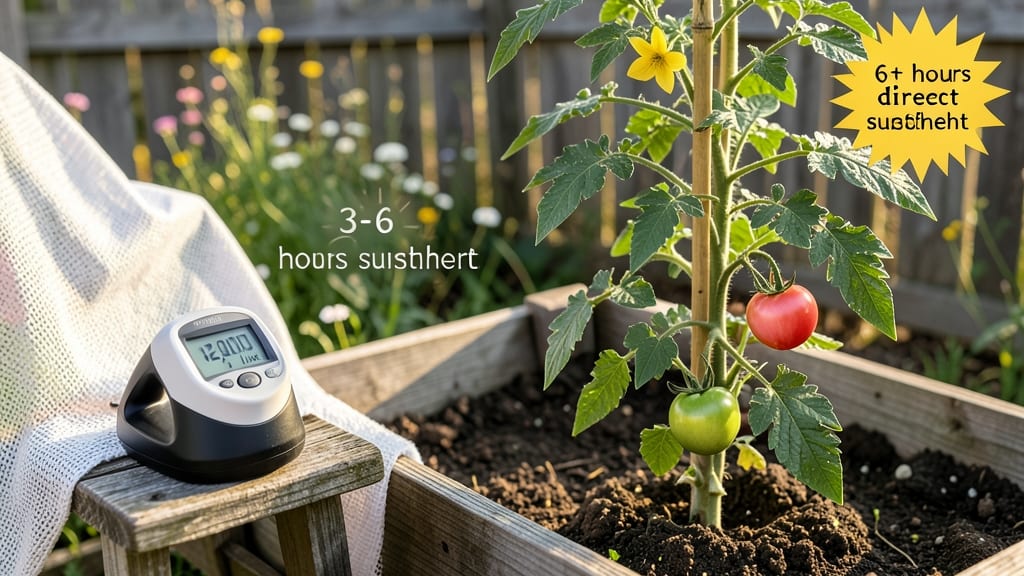
To grow thriving tomato plants, you need to master how much light a tomato plant needs. Without the right amount, your 🍅 plants might struggle to produce fruit—or worse, bolt before you even taste that first ripe tomato.
Most gardeners assume "full sun" means throwing their tomatoes in the brightest spot and calling it a day. But tomatoes are picky about light, especially as they grow. Seedlings need gentle light, while fruiting plants crave hours of direct rays.
I’ll break down exactly how much light your tomatoes need at every stage—so you can avoid leggy stems and tiny, tasteless fruit.
Whether you’re growing in containers on a balcony or in a backyard garden, understanding light requirements is the key to a bountiful harvest. We’ll cover how to tell if your plants are getting too little (or too much) light and what to do about it—no guesswork involved.
Ready to set your tomatoes up for success? Let’s dive into the sun requirements that’ll turn your garden into a fruit-filled paradise.

Tomato plant light requirements by growth stage: sun hours breakdown
Tomatoes are sun-worshippers, and their light needs change dramatically as they grow. Seedlings need gentle light to avoid stretching, while mature plants crave intense sun to produce heavy fruit loads.
Understanding these shifts is key to avoiding leggy plants or poor yields. Let’s break down the optimal sunlight for each growth stage—from tiny sprouts to fruiting powerhouses.
For seedlings (weeks 1-4), aim for 4-6 hours of bright light daily. Too much direct sun can scorch delicate leaves, while too little causes etiolation—those weak, stretched stems reaching desperately for light.
Use a grow light or place seedlings near an east-facing window if natural light is limited. This stage is all about balanced growth, not maximum sun exposure.
Once seedlings are hardened off (weeks 4-6), they’re ready for 6-8 hours of direct sunlight. This is when their vegetative growth kicks into high gear, and they’ll start developing that lush, bushy structure.
If you’re transplanting outdoors, choose a south-facing spot with minimal shade from trees or structures. Morning sun is gentler, but afternoon sun is crucial for photosynthesis and energy storage.
| Stage | Sunlight Needs | Notes |
|---|---|---|
| Seedlings (Weeks 1-4) | 4-6 hours bright light | Use grow lights; avoid direct midday sun |
| Vegetative (Weeks 4-8) | 6-8 hours full sun | South-facing spot; morning sun + afternoon sun |
| Flowering (Weeks 8-10) | 8+ hours full sun | Critical for pollination; prune for airflow |
| Fruiting (Weeks 10+) | 8-10+ hours full sun | Maximize sun; avoid shade during peak hours |
The flowering stage (weeks 8-10) is where tomatoes demand 8+ hours of full sun daily. This is non-negotiable—poor light here leads to weak flowers that drop before setting fruit.
If your garden gets less than 6 hours of sun, consider supplemental grow lights (LED or fluorescent) for 4-6 hours in the evening. Evenings are ideal because they extend daylight without overheating plants, which can stress them during hot afternoons.
During fruiting (weeks 10+), tomatoes need 8-10+ hours of full sun to produce heavy, flavorful fruit. This is when they’re working hardest, converting sunlight into sugars and energy for those juicy tomatoes.
If your plants are in partial shade (e.g., under a tree or building), they’ll still grow but may produce smaller, fewer tomatoes with less flavor. Prioritize south or west-facing locations for maximum exposure.
Indoor growers face unique challenges. A south-facing window provides the best natural light, but even there, you’ll likely need supplemental lighting to reach 8+ hours. LED grow lights are energy-efficient and can be placed 6-12 inches above plants for optimal coverage.
Rotate pots daily to ensure even growth. For container gardens on balconies, use reflective surfaces (like white walls or aluminum foil) to bounce extra light onto leaves.
Even in ideal conditions, overheating can be an issue. If temperatures exceed 90°F (32°C), tomatoes may drop flowers or fruit. Provide afternoon shade with a lightweight shade cloth (30-50%) during peak heat.
This protects plants while still allowing indirect light for photosynthesis. Mulching with straw or grass clippings also helps regulate soil temperature and retain moisture.
Monitor your plants’ light exposure closely by observing their growth patterns. Healthy tomatoes grow upright with dark green leaves and strong stems. If leaves are light green or yellowing, they’re not getting enough light.
If they’re burned or crispy, they’re getting too much direct sun. Adjust accordingly—your harvest depends on it!
Tomato plant light requirements by growth stage: sun hours breakdown
Tomatoes are sun worshippers, but their light needs change dramatically from seedling to fruit-bearing plant. As a gardener, I’ve learned the hard way that under-exposing them leads to weak stems and over-exposing can cause sunburn.
Let’s break down the ideal sunlight hours for each growth stage, so you can adjust your garden setup accordingly.
For seedlings (first 4-6 weeks), aim for 4-6 hours of bright light daily. This prevents leggy growth while protecting tender leaves from intense afternoon sun. I use a grow light on seedlings indoors to mimic natural conditions, keeping them just 1-2 inches below the bulb.
Once transplanted outdoors, vegetative-stage plants (focused on leaf and stem growth) need 6-8 hours of full sun. This is where most gardeners hit a sweet spot—morning sun builds energy, while afternoon shade in hot climates prevents stress.
I’ve seen Cherry tomatoes thrive with 7 hours of direct sun, producing compact, flavorful fruit.
🌱 Tomato Light Needs by Growth Stage
| Stage | Sunlight Needs | Key Notes |
|---|---|---|
| Seedlings (Indoors) | 4-6 hours | Use grow lights 12-14 hrs/day |
| Vegetative (Outdoors) | 6-8 hours | Morning sun + afternoon shade |
| Flowering/Fruiting | 8+ hours | Critical for fruit set and ripening |
| Indoor Containers | 6-8 hours (south window) | Rotate plants weekly for even growth |
The flowering and fruiting stages demand the most sunlight—8+ hours daily. This is when tomatoes shift energy from leaves to fruit production. I’ve noticed Beefsteak varieties often need full sun exposure (10+ hours) to reach their massive potential.
If your tomatoes start dropping flowers, it’s a sign they’re not getting enough light.
For container gardeners, positioning matters. Place pots on south-facing balconies or use reflective surfaces (like white walls) to bounce extra light. I’ve successfully grown dwarf tomatoes near windows with 6 hours of direct sun, but they produced fewer fruits than outdoor plants.
Always prioritize morning sunlight—it’s gentler and helps prevent sun scorch.
Even in greenhouses, monitor light levels. Cloudy days can drop sunlight to 40% of normal, so supplement with LED grow lights if you notice stunted growth or pale leaves. My greenhouse tomatoes flourish with 12 hours of combined natural and artificial light during winter months.