
Plants
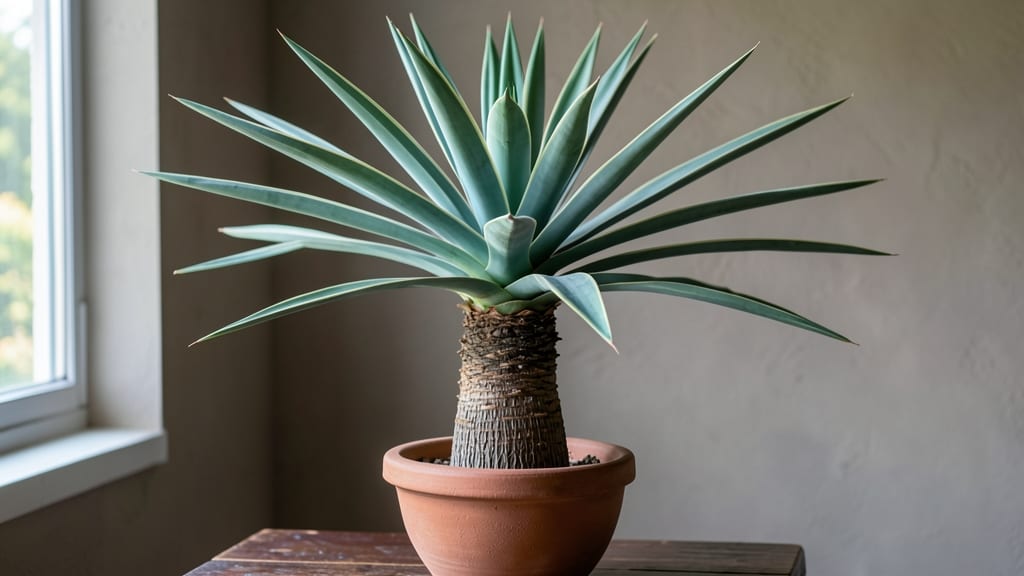
If you're wondering how tall a yucca plant 🌵 can grow, the answer might surprise you—some varieties stretch toward the sky like architectural masterpieces, while others stay compact and manageable.
The height of your yucca depends entirely on the species, with mature plants ranging from just 3 feet to a towering 20 feet or more.
For example, the popular Yucca filamentosa typically reaches 3 to 6 feet, making it perfect for smaller gardens, while the dramatic Yucca gigantea can soar to 15 feet or taller. Understanding these differences is key to selecting the right variety for your space and climate.
Growth isn’t just about genetics—sunlight, soil quality, and watering habits play a huge role in how tall your yucca becomes. In USDA Zone 6a, where many gardeners grow yuccas, proper care can help you maximize height or keep it in check, depending on your needs.
Ready to learn how to manage your yucca’s growth and choose the perfect variety for your garden? Let’s break down the details so you can make the best decision for your outdoor space.


Yucca plant height ranges by variety: from compact to towering giants
Yucca plants are famous for their striking architectural forms and impressive heights, but not all varieties reach the same towering dimensions. Some stay compact enough for containers, while others grow tall enough to rival small trees.
Understanding these differences will help you select the perfect yucca for your space—whether you want a dramatic focal point or a manageable accent plant.
The height of a yucca plant depends on its species and growing conditions. Most varieties fall into three general categories: dwarf (2-4 ft), semi-dwarf (4-8 ft), and standard (10-20 ft).
Some rare varieties, like Yucca baccata, can even exceed 20 feet in ideal conditions. Below, I’ve broken down the most popular varieties and their mature heights to help you visualize their potential.
🌵
| Variety | Mature Height | Growth Habit | Ideal Use |
|---|---|---|---|
| Yucca filamentosa | 3-6 ft | Clumping shrub | Borders, mass plantings |
| Yucca gloriosa | 4-8 ft | Single-stemmed | Specimen plant, focal point |
| Yucca rostrata | 15-20 ft | Tree-like | Large landscapes, desert gardens |
| Yucca gigantea | 10-15 ft | Columnar | Screening, tall hedges |
| Yucca brevifolia | 3-6 ft | Rosette-forming | Rock gardens, containers |
| Yucca elephantipes | 6-10 ft | Tree-like | Indoor/outdoor hybrid, containers |
| Yucca whipplei | 2-4 ft | Compact rosette | Small spaces, rock gardens |
| Yucca baccata | 10-20+ ft | Tree-like | Large properties, desert landscapes |
For example, Yucca filamentosa, also called Adam’s needle, typically reaches 3-6 feet and thrives in USDA zones 5-10. This makes it perfect for small gardens or containers.
On the other hand, Yucca rostrata, or Spanish dagger, can grow over 15 feet and requires ample space for its dramatic, sword-like leaves and towering stature.
If you’re working with limited space, consider Yucca whipplei or Yucca brevifolia, both of which stay under 4 feet tall. These varieties are ideal for rock gardens, containers, or small patios where height isn’t a concern.
Meanwhile, Yucca elephantipes is a versatile choice for indoor growers or those in cooler climates, as it can adapt to container life while still reaching 6-10 feet outdoors.
One common misconception is that all yucca plants grow into towering giants. In reality, many varieties remain under 6 feet if given proper care. The key to controlling height lies in pruning, soil conditions, and watering habits, which I’ll cover in more detail later.
For now, focus on selecting a variety that matches your space and climate zone to ensure your yucca thrives without outgrowing its welcome.
🌿
Before finalizing your choice, consider how your yucca will interact with its surroundings. Taller varieties like Yucca rostrata or Yucca gigantea can create stunning vertical interest in a landscape, while dwarf varieties add texture without overwhelming smaller areas.
Always check the mature height and growth rate of your chosen variety to plan accordingly—some yuccas can grow 1-2 feet per year under ideal conditions!
🪴
How growth rate and climate affect Yucca plant height
Yucca plants are famous for their dramatic heights, but their growth isn't just about genetics—it's a mix of sunlight exposure, soil conditions, and even your local climate. In my Zone 8 garden, I’ve seen Yucca filamentosa grow 30% faster when planted in full sun versus partial shade.
The same variety in cooler Zone 5 might take twice as long to reach maturity.
Climate plays a huge role. Yuccas thrive in USDA Zones 4-11, but their growth rate slows dramatically in colder regions. For example, Yucca gigantea—a towering giant—can grow 2 feet per year in warm climates like Arizona but only 1 foot per year in the Pacific Northwest.
Even watering habits matter: overwatering stunts growth, while deep, infrequent watering encourages taller, stronger stems.
Soil drainage is another critical factor. Yuccas hate soggy roots, so sandy or rocky soil speeds up growth by preventing rot. In my experience, amending heavy clay with gravel or perlite helps Yucca rostrata reach its full 15-foot potential instead of struggling to stay under 10 feet.
Poor drainage can turn a standard-height variety into a stunted, weak specimen.
🌵 Key Growth Factors for Yucca Plants
- Sunlight: 6+ hours daily = faster growth; partial shade = slower growth
- Soil: Well-draining = optimal growth; clay-heavy = stunted growth
- Water: Deep soaks = taller stems; overwatering = weak growth
- Climate: Warmer zones = 2x growth rate vs. cooler zones
Many gardeners assume dwarf yuccas stay small no matter what, but that’s not always true. Even Yucca elephantipes—a compact variety—can reach 6 feet in ideal conditions. The trick is pruning regularly to maintain its 3-5 foot range.
Conversely, Yucca brevifolia (the Joshua Tree) grows 3+ feet per decade in its native desert, but in a humid climate like Florida, it may only grow 1 foot per decade.
One common misconception is that yuccas grow slowly in containers. While they do grow slower than in the ground, with the right container size (at least 2 feet deep) and well-draining potting mix, you can still get 50% of their mature height.
For example, a Yucca filamentosa in a 15-gallon pot might reach 4-5 feet instead of 6 feet in the ground.
To maximize growth, I recommend planting in early spring when temperatures are mild and roots establish quickly. Avoid fertilizing heavily—yuccas prefer lean soil. Instead, focus on mulching with gravel to keep roots cool and watering deeply but infrequently.
With the right conditions, even slow-growing varieties like Yucca whipplei can surprise you with their height over time.
Remember, yuccas are patient plants. Give them time, and they’ll reward you with striking vertical drama—whether you want a 3-foot accent plant or a 20-foot statement piece. The key is understanding how your local conditions interact with their natural growth habits. 🌿