
Plants
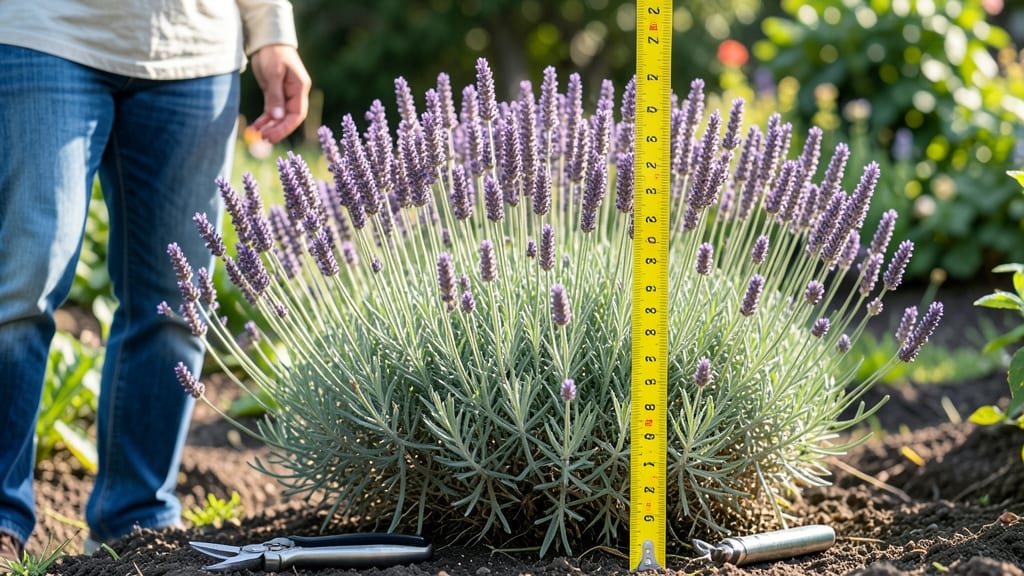
If you're dreaming of a fragrant lavender border but worried the plant might grow too tall for your space, the good news is that lavender's height depends entirely on the variety you choose—and some stay surprisingly compact.
Whether you're planning a 1-foot-high hedge or a 4-foot-tall statement plant, understanding these differences is the key to designing a garden that thrives without taking over.
Most gardeners assume lavender will always reach towering heights, but the truth is far more flexible.
Standard varieties like English lavender can grow 3 to 4 feet tall, making them perfect for borders or background plantings, while dwarf varieties like 'Hidcote' or 'Munstead' stay neatly between 1 to 2 feet, ideal for containers or edging pathways.
The secret lies in their growth habits and how you care for them.
What you might not realize is that pruning plays a huge role in controlling lavender's height. With the right techniques—like cutting back in early spring—you can keep even the tallest varieties in check.
Plus, factors like soil quality, sunlight, and your USDA zone (like 6a) can influence how much they stretch toward the sky. Let's break down exactly what to expect from each type and how to manage their growth for a garden that fits your vision.
Ready to transform your space with the perfect lavender height? I'll walk you through the best varieties for small spaces, how to prune for ideal proportions, and even how to use height to your advantage in garden design.
By the end, you'll know exactly which lavender will thrive in your garden—and which to avoid if you're short on space.


Lavender plant height by variety: compact vs. tall growing types
Lavender plants come in a stunning array of heights, from tiny dwarf varieties perfect for window boxes to towering English lavender that can reach your shoulders. The height you choose directly impacts your garden design, whether you're aiming for a romantic cottage border or a modern container display.
Understanding these differences helps you avoid overcrowding or underutilizing space.
Most lavender varieties fall between 1 to 4 feet at maturity, but some specialized cultivars stay under 12 inches while others can exceed 5 feet in ideal conditions. The key factors influencing height are genetics, pruning habits, and growing conditions.
For example, Spanish lavender naturally grows taller than French lavender, which stays more compact.
Here's how popular lavender varieties compare in terms of height, along with their ideal growing scenarios:
| Variety | Mature Height | Growth Habit | Best For |
|---|---|---|---|
| English Lavender ('Hidcote', 'Munstead') | 3–4 ft | Upright, bushy | Borders, hedges, fragrance gardens |
| French Lavender ('Grosso') | 2–3 ft | Compact, rounded | Containers, rock gardens, small spaces |
| Spanish Lavender ('Papillon', 'Jeanne d'Arc') | 3–5 ft | Tall, slender spikes | Back of borders, cut flowers |
| Dwarf Lavender ('Loddon Pink', 'Mini Muffin') | 1–2 ft | Prostrate, spreading | Window boxes, edging, fairy gardens |
| Intermediate Lavender ('Provence', 'Bandera') | 2–3 ft | Semi-upright, bushy | Mixed borders, pollinator gardens |
The English lavender varieties like 'Hidcote' and 'Munstead' are classic choices for traditional gardens, often reaching 3 to 4 feet tall with their signature woody stems and fragrant blooms.
These varieties thrive in well-drained soil and full sun, making them ideal for hedges or specimen plants in larger garden spaces.
If you're working with limited space, French lavender like 'Grosso' is a fantastic option, typically maturing between 2 to 3 feet. Its rounded shape and dense foliage make it perfect for containers or rock gardens.
For a low-maintenance ground cover, dwarf varieties like 'Loddon Pink' stay under 18 inches tall while spreading up to 3 feet wide.
Spanish lavender stands out for its tall, slender spikes, often reaching 4 to 5 feet in height. Varieties like 'Papillon' are prized for their long-lasting cut flowers and drought tolerance, making them excellent for dry landscapes or cottage-style gardens.
However, their height requires more space and may need staking in windy areas.
When planning your garden layout, consider how lavender's height will interact with other plants. For example, pairing tall Spanish lavender with shorter perennials like thyme or sedum creates visual interest, while dwarf varieties can spill over container edges beautifully.
Always leave at least 18 inches of space between lavender plants to allow for proper airflow and prevent disease.
One common mistake is assuming all lavender grows the same height. Over-pruning can stunt growth, while under-pruning allows lavender to become woody and leggy. Regular seasonal trimming helps maintain your desired height while encouraging dense, healthy foliage.
For instance, French lavender benefits from light pruning after flowering to keep it compact, while English lavender may need more aggressive pruning to control its height.
How to control lavender height naturally: pruning and care tips
Lavender thrives when you guide its growth, and the key to managing its height lies in seasonal pruning and smart care habits. Unlike many plants, lavender doesn’t need frequent trims—just timely cuts to encourage bushier, fuller growth while keeping it at your desired height.
If you’ve ever watched lavender stretch taller than planned, you’re not alone. The good news? With the right approach, you can easily keep it compact or let it grow tall for dramatic garden borders.
Start by understanding that lavender grows best with minimal interference—over-pruning weakens the plant and reduces flowering. The secret is light, strategic cuts that shape the plant without stripping it of energy.
For most varieties, pruning once a year after flowering (late summer) is ideal. This removes spent blooms and encourages new growth for next season while maintaining a neat, manageable height.
Here’s the golden rule: Never cut into old wood. Lavender stems are woody, and cutting too far back can kill the plant. Instead, trim just above a leaf node (the small bump where leaves grow) to promote branching.
For standard varieties like English lavender, this means keeping cuts above the lower third of the plant. Dwarf varieties need even gentler touches—just enough to shape without overdoing it.
Soil and sunlight play equally important roles in controlling lavender height. Lavender hates wet feet, so ensure your soil is well-draining—amend heavy clay with sand or gravel if needed. Poor drainage leads to leggy, weak growth as the plant stretches toward sunlight.
Pair this with full sun exposure (6+ hours daily), and your lavender will stay sturdy and proportionate. If you notice your lavender leaning or stretching, it’s a sign it’s not getting enough light.
Another common mistake? Over-fertilizing. Lavender doesn’t need much—too much nitrogen leads to leafy growth at the expense of flowers and can make the plant grow taller and floppier. Stick to a light, balanced fertilizer in early spring (like 5-10-10) and skip fertilizing in summer.
Mulch around the base with gravel or coarse sand to improve drainage and discourage weeds, which compete for nutrients and water.
For container-grown lavender, height control is even easier. Choose a dwarf variety like Lavandula angustifolia 'Hidcote', which tops out at 18 inches, or prune regularly to keep it tidy.
Containers dry out faster, so water deeply but infrequently—this mimics lavender’s natural drought tolerance and keeps it from growing too tall in search of moisture. If your lavender starts to look leggy, it’s time to repot or trim back by a third to encourage a fuller shape.
Remember, lavender’s height is a reflection of its care. With the right balance of pruning, sunlight, and soil, you can enjoy a plant that fits your space perfectly—whether you want a compact border or a tall, fragrant statement piece.
Start with these tips, and you’ll avoid the heartbreak of a lavender plant that outgrows its welcome.