
Companion Plants
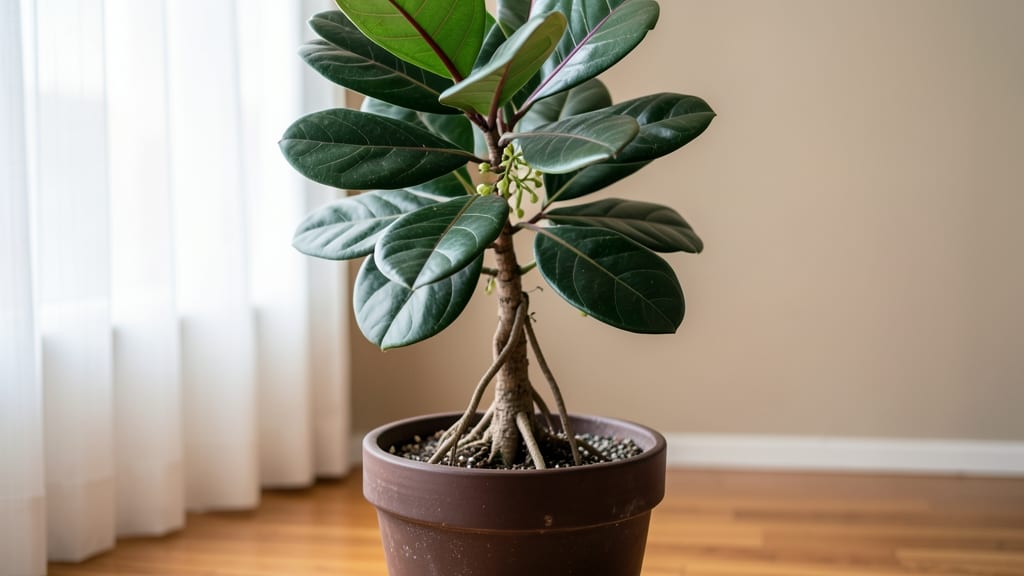
If you're wondering how tall a rubber plant 🌿 can grow indoors, the answer might surprise you—these bold beauties can reach anywhere from 6 to 10 feet with the right care, turning your living space into a lush indoor jungle.
But here’s the thing: their height isn’t set in stone. Varieties like the classic Ficus elastica grow taller than others, while dwarf types stay more manageable.
The key to controlling their size lies in light, pruning, and pot selection—all factors that can either let them stretch toward the ceiling or keep them at a more practical height.
Whether you’re dealing with a 3-foot sapling or a towering 10-foot giant, understanding their growth habits helps you plan your space and care routine. I’ll break down what influences their height and how to keep them thriving—no ceiling surprises included.
Ready to learn how to manage your rubber plant’s growth? Let’s dive into the details so you can enjoy its lush foliage without the headache of a runaway leafy monster.


Rubber plant height by variety: expected indoor growth ranges
Rubber plants (Ficus elastica) are prized for their striking foliage and impressive height potential. While they can grow 6 to 10 feet tall indoors under ideal conditions, their mature size varies dramatically by variety.
Some compact types stay under 3 feet, while standard varieties can stretch toward the ceiling if left unpruned. Understanding these differences helps you choose the perfect plant for your space and aesthetic.
Most rubber plants grow 1 to 2 feet per year during their first few years, with growth slowing as they mature. The variegated varieties often grow slightly slower due to their higher energy demands for maintaining colorful foliage.
Meanwhile, dwarf varieties like 'Burgundy' or 'Petite' are bred specifically for smaller spaces, making them ideal for apartments or offices.
Here’s how popular rubber plant varieties compare in terms of height and growth habits:
| Variety | Mature Height (Indoors) | Growth Rate | Notes |
|---|---|---|---|
| Standard 'Doescheri' | 6–10 feet | 1–2 ft/year (young) | Classic dark green leaves; fastest grower |
| Variegated 'Tineke' | 4–8 feet | 1 ft/year (slower due to variegation) | Pink and cream leaves; needs bright light |
| Dwarf 'Burgundy' | 3–5 feet | 6–12 inches/year | Deep burgundy foliage; compact growth habit |
| 'Black Prince' | 6–10 feet | 1–2 ft/year | Near-black leaves; dramatic appearance |
| 'Petite' | 3–6 feet | 8–12 inches/year | Slow-growing; great for small spaces |
If you’re working with limited vertical space, opt for dwarf or semi-dwarf varieties like 'Burgundy' or 'Petite'. These stay under 5 feet even with minimal pruning. For larger rooms or greenhouses, the standard varieties will thrive and create a stunning focal point.
Just remember: rubber plants are fast growers when happy, so regular pruning is key to managing their height.
Light exposure plays a critical role in height development. Plants in bright indirect light (like an east-facing window) grow taller and bushier, while those in low-light conditions may become leggy and slow-growing.
Position your rubber plant within 3–5 feet of a window for optimal growth balance. Avoid direct sunlight, which can scorch the leaves and stunt growth.
Pro tip: Rotate your plant quarter-turns every 2–3 weeks to encourage even growth and prevent it from leaning toward the light. This simple habit helps maintain a balanced shape and reduces the risk of your rubber plant becoming top-heavy and unstable as it grows taller.
For those with ceiling-height concerns, consider starting with a young plant (under 2 feet tall) and plan for regular pruning. Even standard varieties can be kept at a manageable height with consistent care.
Just be prepared for leaf drop if you prune too aggressively—always cut just above a leaf node to encourage bushier regrowth.
🌿
Factors that influence rubber plant height growth (and how to control it)
The height of your rubber plant (Ficus elastica) isn’t set in stone—it’s shaped by a mix of environmental factors and your care choices. Understanding these can help you steer its growth toward your ideal space, whether that’s a towering statement piece or a compact tabletop plant.
Let’s break down the key influences and how to manage them.
Light exposure is the #1 factor controlling height. Rubber plants stretch dramatically toward low-light conditions, a phenomenon called etiolation. This results in long, leggy stems and smaller leaves. If your plant is reaching for the sky, it’s likely craving more bright, indirect light. Aim for a spot near an east-facing window or under grow lights to encourage balanced, bushier growth.
Pot size plays a surprising role too. When roots are cramped, the plant focuses energy on vertical growth rather than spreading. Upgrading to a larger container (1-2 inches wider than the root ball) can encourage wider growth. Just ensure the pot has drainage holes to prevent root rot—waterlogged soil stunts growth entirely.
Pruning is your secret weapon for controlling height. Regularly trimming the top growth encourages lateral branching, creating a fuller, more compact shape. Even a simple pinch of the stem tips can redirect energy toward bushier growth. I recommend pruning in spring or early summer when the plant is actively growing.
Seasonal growth patterns also matter. Rubber plants grow fastest in spring and summer, when days are longer and temperatures are mild. During these months, they can add 6-12 inches of height if conditions are ideal. In fall and winter, growth slows dramatically—sometimes to a near standstill. Use this natural rhythm to your advantage by pruning after summer growth spurts.
Fertilizer type and timing can influence height too. Over-fertilizing with high-nitrogen feeds promotes rapid vertical growth, while a balanced 10-10-10 fertilizer supports steady, proportional development. I feed mine every 4-6 weeks during growing season but cut back in winter to match the plant’s slower pace.
🌱 Pro Tip: If your rubber plant is already too tall for your space, don’t despair—propagation lets you turn those long stems into new plants. Simply cut a 6-inch section, let it callus for a day, and root it in water or soil.
You’ll end up with a bushier parent plant and a brand-new addition to your collection!
💡 Quick Growth Control Checklist
- For taller growth: Place in low-light spots, use nitrogen-rich fertilizer
- For bushier growth: Prune top growth, upgrade pot size, add bright indirect light
- For seasonal control: Reduce watering in winter, prune after summer growth
Remember, every rubber plant has its own personality—some varieties like ‘Black Prince’ grow taller and leaner, while ‘Variegata’ tends to stay bushier. Pay attention to your plant’s signals and adjust care accordingly.
With the right balance of light, pruning, and container size, you can shape your rubber plant into the perfect fit for your space.
🪴 Final Thought: The beauty of rubber plants is their adaptability. Whether you want a floor-filling giant or a compact desk companion, you’re in control—just tweak the conditions and watch it respond!