
How To
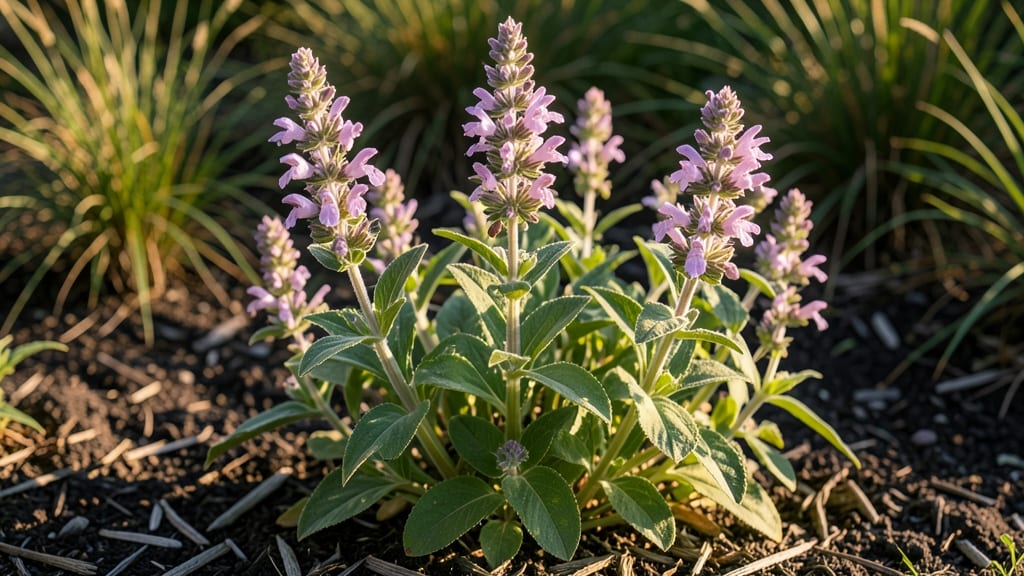
If you're wondering how tall does obedient plant grow, the answer might surprise you—this easygoing perennial can reach heights of 2 to 3 feet in ideal conditions, making it perfect for borders or cottage gardens.
Unlike fussy plants, the obedient plant 🌿 thrives with minimal fuss, but its size depends on where you grow it.
Outdoors, it stretches toward the sky, especially in full sun, while indoors, it stays more compact unless you give it plenty of light. Whether you're planning a garden bed or a windowsill display, understanding these growth habits helps you set expectations and create the perfect spot for your obedient plant.
In this guide, I’ll break down the key factors that influence its height—like sunlight, soil, and pruning—and share practical tips to control or encourage growth. By the end, you’ll know exactly how to nurture your obedient plant for the perfect fit in your space.
Ready to discover how to maximize (or minimize) its height? Let’s dive into the details so you can enjoy this low-maintenance beauty at its best.


Obedient plant height guide: indoor vs outdoor growth limits explained
The obedient plant (Physostegia virginiana) typically reaches 2 to 3 feet tall at maturity, making it a perfect choice for garden borders or cottage-style landscapes. However, its height can vary significantly based on growing conditions—especially whether it's planted outdoors or grown indoors.
Understanding these differences helps you plan your garden layout or indoor setup effectively.
Outdoor obedient plants thrive in USDA Zones 4-9 and often grow taller when given ample space and proper care. In contrast, indoor obedient plants may stay shorter—sometimes as little as 1 to 2 feet—due to limited sunlight and container restrictions.
Let’s break down the key differences to help you predict how tall your obedient plant will grow.
| Growing Condition | Mature Height | Growth Rate | Best For |
|---|---|---|---|
| Outdoor (Full Sun) | 2–3 ft | Fast (1–2 ft/year) | Garden borders, pollinator gardens |
| Outdoor (Partial Shade) | 1.5–2.5 ft | Moderate (1 ft/year) | Woodland gardens, shaded patios |
| Indoor (Container) | 1–2 ft | Slow (6–12 inches/year) | Sunrooms, bright windowsills |
| Dwarf Varieties (e.g., 'Little Obie') | 1–1.5 ft | Moderate (8–10 inches/year) | Container gardens, small spaces |
Outdoor obedient plants in full sun typically reach their maximum height of 2–3 feet within 2–3 years. They grow upright with arching flower spikes that add vertical interest to garden beds.
For example, in my own garden, a 3-foot-tall obedient plant became the focal point of a pollinator-friendly border, attracting butterflies and bees all summer long.
If you’re growing obedient plants in partial shade, expect them to stay slightly shorter—around 1.5 to 2.5 feet. This is ideal for woodland gardens or areas with dappled sunlight, like under tall trees.
The trade-off? They may produce fewer flowers but still offer lush foliage and a soft, textured look.
Indoor obedient plants, however, face limitations due to container size and light restrictions. A plant in a 12-inch pot near an east-facing window might only reach 1–2 feet tall, while one in a larger container with supplemental grow lights could approach 2 feet.
To encourage upward growth indoors, I recommend using a tall, narrow pot and rotating the plant weekly for even light exposure.
For gardeners in cooler climates (Zones 4–5), obedient plants may grow slightly slower but still reach their mature height. In warmer zones (Zones 8–9), they can grow more aggressively, especially if given well-draining soil and consistent moisture.
Always amend your soil with compost to ensure healthy root development, which directly impacts height and vigor.
If you’re aiming for a compact, bushy obedient plant, consider pruning regularly. I’ll share my go-to pruning tips in the next section, but for now, remember: outdoor plants grow taller, while indoor plants stay shorter. Choose your growing conditions wisely to match your garden vision!
One final tip: If you’re planting obedient plants near a fence or wall, they’ll naturally lean toward the light, creating a beautiful, cascading effect. This makes them perfect for adding height and texture to vertical garden spaces without taking up much ground area.
Obedient plant height guide: indoor vs outdoor growth limits explained
The obedient plant (Physostegia virginiana) typically reaches 2 to 3 feet tall at maturity, but its height can vary dramatically based on growing conditions. In outdoor gardens, these perennials often hit their maximum height of 3 feet when planted in full sun with rich soil.
However, if grown indoors, expect a more modest 1 to 2 feet due to limited light and space constraints.
Your plant’s height also depends on its variety. Dwarf varieties like 'Little Obie' stay compact at 1 to 2 feet, while standard types like 'Miss Manners' can stretch toward 3 feet outdoors.
Understanding these differences helps you choose the right spot—whether it’s a border garden or a sunny windowsill.
| Factor | Outdoor Height | Indoor Height | Key Tip |
|---|---|---|---|
| Sunlight | 2-3 ft (full sun) | 1-2 ft (partial shade) | Place indoors near east-facing windows for best growth. |
| Soil Quality | 3 ft (rich soil) | 1.5-2 ft (potting mix) | Use well-draining potting mix indoors to prevent root rot. |
| Container Size | N/A | 1-1.5 ft (small pots) | Upgrade to 12-inch pots for taller growth. |
| Climate Zone | 2.5-3 ft (zones 5-9) | 1-1.5 ft (any zone) | Indoor plants thrive year-round, while outdoor plants may die back in frost. |
If you’re growing obedient plants outdoors, they’ll thrive in USDA zones 5-9 and often reach their full 3-foot height by mid-summer. In cooler zones, they may stay shorter—around 2 feet—until they establish roots.
For indoor growth, even with optimal care, expect a maximum of 2 feet unless you provide supplemental grow lights.
One common misconception is that obedient plants will always reach their full height. In reality, pruning plays a huge role. Regular trimming in early summer can encourage bushier growth and prevent legginess, especially indoors.
Without pruning, outdoor plants may lean or flop over, while indoor plants can become top-heavy and unstable.
For gardeners in small spaces, dwarf varieties are ideal—they fit neatly into containers or window boxes while still offering the same pollinator-friendly blooms.
If you’re unsure about height, start with a single plant in a large pot to test how it grows in your specific conditions before committing to a full garden bed.
Whether you’re aiming for a tall border plant or a compact indoor specimen, understanding these height differences ensures your obedient plant thrives—no surprises at harvest (or in this case, bloom season)! 🌿