
Companion Plants
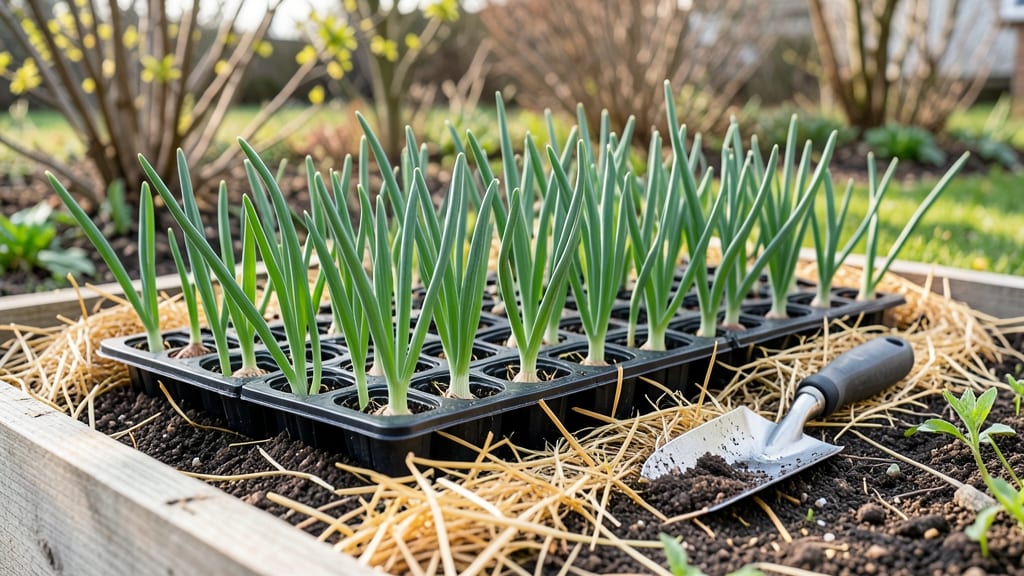
Planting onions in Zone 6 at the wrong time can mean the difference between a bumper crop of sweet, fresh 🧅 and a sad, bolted mess.
The key is getting them in the ground 4-6 weeks before your last frost date—typically by early April—but there’s a second chance in late summer if you want a fall harvest.
Zone 6’s unpredictable early springs make timing tricky, but cold-hardy onion varieties like ‘Sweet Sandwich’ or ‘Red Baron’ can handle the chill. Whether you’re starting from sets or seeds, the right window ensures your onions mature before summer heat sends them into premature flowering.
I’ll break down exactly when to plant in Zone 6, including soil prep tips and how to adjust for your specific frost dates. No more guessing—just a foolproof plan for onions that thrive in your climate.
Ready to grow onions that actually make it to harvest? Let’s dive into the perfect planting schedule for your garden.
Best planting windows for onions in Zone 6: early spring vs. fall options
Timing is critical when planting onions in Zone 6, where unpredictable early springs and late frosts can derail your harvest. The key is planting 4-6 weeks before your last frost date—typically between mid-March and early April—to give bulbs enough time to mature before summer heat sets in.
For fall planting, aim for late summer (August) to allow onions to establish roots before winter.
Zone 6’s average last frost date falls around April 15, but this varies by microclimate. Check your local USDA Plant Hardiness Zone Map or use a frost calendar for precise timing. In colder Zone 6a areas, start earlier (late February), while Zone 6b regions can wait until early April.
Onions thrive in cool soil temperatures (40-65°F), making early spring ideal. If your soil stays cold longer, use black plastic mulch or row covers to warm it faster. For fall planting, soil should cool to 50-60°F before onions go dormant for winter.
Here’s a quick reference for your planting schedule in Zone 6:
| Planting Window | Ideal Month | Soil Temp | Notes |
|---|---|---|---|
| Early Spring | March-April | 40-65°F | Plant sets 4-6 weeks before last frost |
| Late Summer | August | 50-60°F | For fall harvest; bulbs mature next year |
| Transplants | April-May | 45-55°F | Buy starts from nurseries for faster growth |
| Seeds | February-March | 40-50°F | Start indoors 8-10 weeks before transplanting |
For spring planting, I recommend using onion sets (small bulbs) instead of seeds, as they germinate faster in cold soil. Plant them 1 inch deep and 4-6 inches apart in well-draining soil amended with compost.
If you prefer seeds, start them indoors 8-10 weeks before your last frost for transplanting.
Avoid planting onions too early—cold soil below 40°F can stunt growth, while soil above 65°F triggers bolting (premature flowering). In Zone 6, this means no planting before late February unless you use protective covers.
For fall planting, choose short-day onion varieties that mature slowly, like Yellow Sweet Spanish or Red Baron.
Pro tip: Use a soil thermometer to monitor temperatures. Aim for 50-60°F for optimal bulb formation. If your soil runs hot earlier, opt for shallots or scallions, which tolerate warmer conditions better than traditional bulb onions.
In Zone 6a (colder microclimates), extend your season by planting under row covers or in cold frames to protect young plants from late frosts. For Zone 6b, you can push planting slightly later (early April) without risking frost damage.
Remember, onions need 6+ hours of sunlight daily, so choose a south-facing bed for maximum warmth. Mulch with straw to retain moisture and suppress weeds, especially in dry Zone 6 summers.
Best planting windows for onions in Zone 6: early spring vs. fall options
Zone 6’s last average frost date is around April 15, but your exact timing depends on microclimates. For best results, plant onion sets or seeds 4-6 weeks before that date—aim for early to mid-March—to give roots time to establish before warm weather arrives.
This window ensures bulbs mature before summer heat triggers bolting.
If you miss spring planting, don’t despair! Zone 6 also supports a late-summer/fall harvest by sowing seeds or sets in late July to early August.
These onions grow slowly through fall, overwinter, and produce smaller but flavorful bulbs the following summer. Just protect them with mulch or row covers before frost.
Soil temperature is critical: onions thrive in 40–70°F soil. Use a soil thermometer to confirm—if temps dip below 35°F, delay planting until conditions stabilize. In colder Zone 6a areas, wait until mid-April for spring planting.
| Planting Window | Best Time (Zone 6) | Soil Temp | Harvest Time |
|---|---|---|---|
| Spring Planting | Early to mid-March | 40–60°F | Late summer (July–August) |
| Fall Planting | Late July–early August | 50–65°F | Next summer (June–July) |
| Late Spring (Backup) | Mid-April (Zone 6a only) | 50–65°F | Fall (small bulbs) |
For succession planting, stagger sets every 2 weeks in spring to ensure a continuous harvest. In fall, plant a second batch in early September for green onions before winter. Always choose short-day varieties (like ‘Red Baron’) for fall planting—they resist bolting in long summer days.
Pro tip: Mark your last frost date on a calendar and count backward. If you’re unsure, check your local USDA Plant Hardiness Zone map—Zone 6a (colder) may need a 2-week delay compared to Zone 6b. Adjust for your specific elevation or microclimate too!
Once you’ve nailed timing, the next step is selecting the right cold-hardy varieties—and I’ll cover the top performers for Zone 6 next. These varieties are bred to handle early springs without bolting, so you’ll get the biggest, sweetest bulbs possible.