
Plants
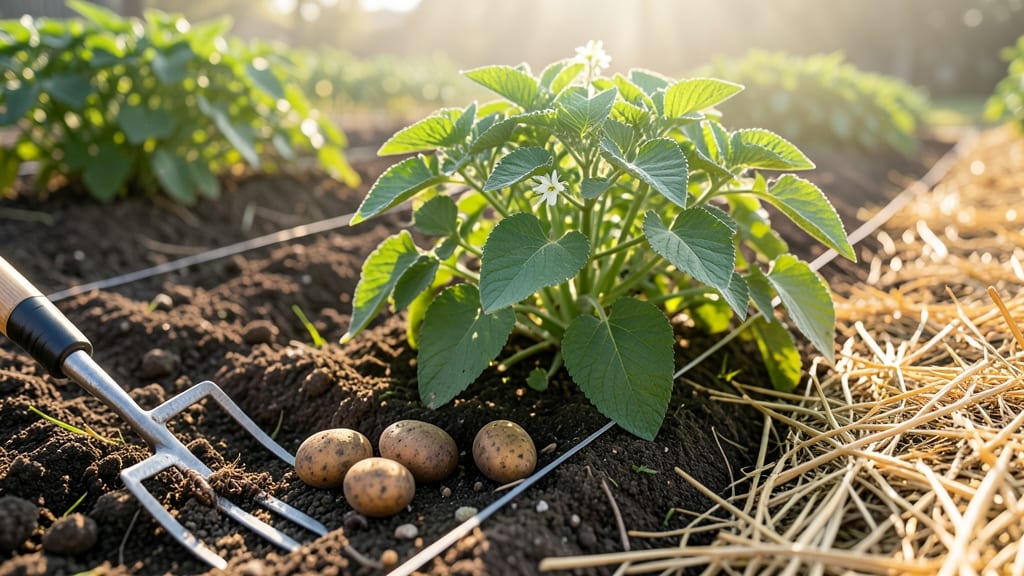
Planting potatoes in Zone 8 at the wrong time can mean the difference between a bumper harvest and a total flop. Unlike cooler climates, this zone demands precise timing—too early, and frost zaps your sprouts; too late, and you’ll miss that sweet spot for summer harvests.
I’ve learned the hard way that soil temperature is the real game-changer, not just calendar dates. When those 🥔 tubers hit 45-50°F, they’re ready to thrive, but getting there early requires a few smart tricks.
Whether you’re a first-timer or a seasoned gardener, these insights will help you beat the heat and frost to grow potatoes that outshine the grocery store.
From choosing the right varieties to using row covers for early starts, I’ll break down exactly when to plant for maximum yields. You’ll discover how to stretch your growing season and avoid common pitfalls that waste time and effort. Let’s get those spuds in the ground at the perfect moment!
The key is balancing frost dates with soil warmth—something many gardeners overlook. With the right approach, you can enjoy homegrown potatoes earlier and longer than you ever thought possible in Zone 8. Ready to dig in?
Best planting times for potatoes in Zone 8: frost dates & soil temperature guide
In Zone 8, potatoes thrive when planted at the right time—typically 2-4 weeks before your last frost date. Unlike cooler zones, Zone 8 offers flexibility, but soil temperature (not air temperature) determines success.
Aim for 40-50°F soil temps—any colder, and your seeds may rot; too warm, and they’ll sprout too fast. Let’s break down the exact windows for your subzone (8a vs. 8b) and how to adjust for early harvests.
For Zone 8a (10-15°F colder winters), your last frost usually falls between mid-February and early March. Plant seed potatoes 4-6 weeks before, so aim for late January to mid-February.
In Zone 8b (warmer winters), last frosts arrive late January to mid-February, so plant late December to early January for early varieties or February for late-season keepers.
Pro tip: Use a soil thermometer to confirm temps—potatoes won’t sprout until soil hits 45°F consistently. In Zone 8, this often aligns with late February to early March, but early planting (like January) works if you use row covers or cold frames to protect seedlings.
Here’s the key rule: Plant early varieties (60-75 days to harvest) first (e.g., Yukon Gold), then late varieties (90+ days) 2-3 weeks later. This staggered approach ensures a continuous harvest through summer and into fall.
🌱 Zone 8 Potato Planting Timeline
| Stage | Action | Zone 8a Window | Zone 8b Window |
|---|---|---|---|
| Soil Prep | Add compost, loosen soil | Late Jan–Feb | Dec–Jan |
| Early Varieties | Plant seed potatoes | Late Jan–Feb | Late Dec–Jan |
| Late Varieties | Plant seed potatoes | Feb–March | Feb |
| Harvest Start | Early potatoes ready | April–May | March–April |
| Peak Harvest | Main crop ready | June–July | May–June |
If you’re eager for an early harvest, plant early varieties in January (Zone 8b) or late January (Zone 8a) using black plastic mulch to warm the soil faster.
For late-season storage potatoes, plant Kennebec or Russian Banana in February—they’ll mature just before fall frosts hit (usually November in Zone 8).
Watch for late frosts—even in Zone 8, temperatures can dip below 32°F in March. Use frost cloth or straw mulch to protect young plants.
In my garden, I’ve had Yukon Gold sprouts survive 28°F with a simple row cover, but avoid planting until soil warms—cold soil = rotten seeds.
For container growing, plant 2-3 weeks later than in-ground potatoes—containers cool faster. Use 5-gallon buckets with drainage and plant one seed potato per container. Place containers in full sun and keep soil moist but not soggy.
Remember: Zone 8’s long growing season means you can even plant a fall crop! Try seed potatoes in August for a winter harvest (use early varieties like Red Pontiac). Just be ready to harvest before first frost (usually November 15–December 15).
🌱
Cold-soil planting hacks: how to start potatoes early without frost damage
Zone 8 gardeners often face a tricky balance: warm enough soil for potatoes to thrive, but not so late that the season slips away. The key to beating this challenge? Cold-soil planting hacks that let you plant 2-4 weeks earlier than traditional schedules while protecting tender seedlings from late frosts.
I’ve tested these methods in my own garden, and they’ve consistently delivered earlier harvests without risking frost damage.
Start by choosing frost-tolerant varieties like 'Yukon Gold' or 'Red Pontiac,' which can handle cooler soils better than standard types. These varieties give you a 10-14 day head start before you’d normally plant, which translates to earlier harvests and more growing time before summer heat sets in.
Pair them with row covers or cold frames for extra protection during those critical first weeks.
Here’s how I extend my planting window safely:
For the boldest early planters, try a cold frame or mini greenhouse. These can push your planting window back by 3-4 weeks, but require more maintenance.
I’ve had success with low-cost options like clear plastic domes over wire hoops, which cost under $20 and fit snugly over 4-foot-wide rows.
Monitor your progress closely: if seedlings emerge but soil temps stay below 50°F for more than a week, they’ll grow slowly. In that case, mulch heavily with straw to insulate roots and protect tubers from temperature swings.
With these hacks, I’ve harvested new potatoes as early as mid-April in Zone 8a—months before neighbors even plant!