
Plants
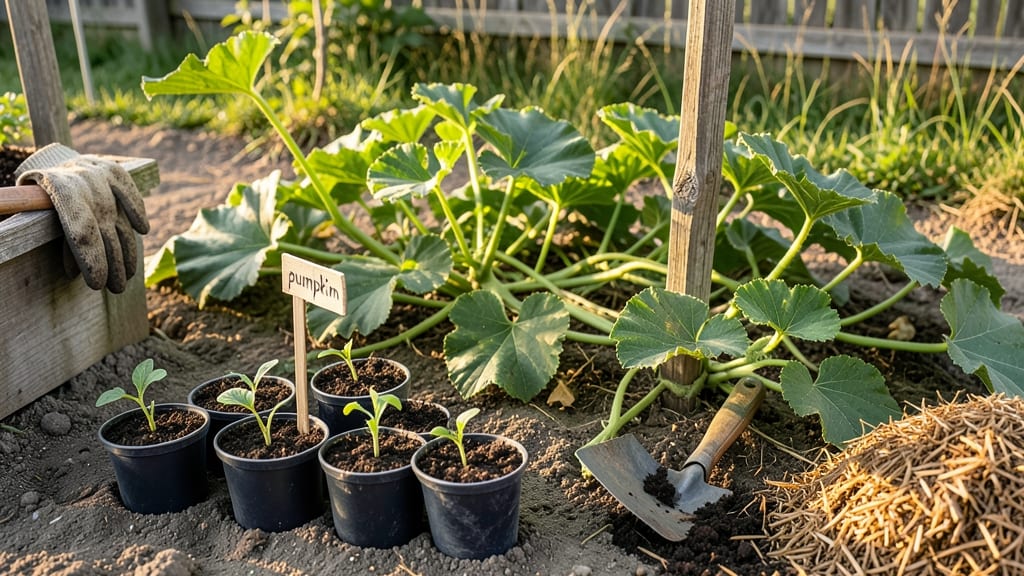
Planting pumpkins in Indiana isn’t just about grabbing seeds and tossing them in the dirt—it’s about timing them perfectly to beat the state’s unpredictable spring frosts and maximize your harvest.
With USDA zones 5b-6b and an average last frost around April 15, getting those 🎃 seeds in the ground too early can mean lost plants, while waiting too long cuts your growing season short.
Most Indiana gardeners swear by planting between mid-April and early June, but the best window depends on your variety. Smaller pumpkins like ‘Jack Be Little’ can handle cooler soil, while larger varieties need that 60°F+ temperature to thrive.
I’ll break down the exact dates and soil prep tricks that work for both northern and southern Indiana growers.
You’ll also discover why seed-starting indoors in late March gives you a head start, and how to tell when your soil is finally warm enough for direct sowing. Plus, I’ll share the one mistake even experienced gardeners make that ruins pumpkin yields—spoiler: it’s not what you think.
Ready to grow pumpkins that rival the ones at the farmers’ market? Let’s dive into the frost-free timeline that’ll have you harvesting plump, vine-ripened pumpkins by October. Your garden’s about to get a lot more exciting.
Indiana pumpkin planting dates by frost-free Zone (with variety-specific guidance)
Indiana's frost-free zones (5b-6b) create distinct planting windows for pumpkins, where timing can mean the difference between a bountiful harvest and wasted seeds. Southern Indiana (Zone 6b) enjoys 30-45 days earlier planting than northern areas (Zone 5b), so knowing your zone is critical.
For most of the state, aim to plant after the last frost date—typically mid-April to early June—but soil temperature matters more than calendar dates.
Pumpkin seeds need soil temperatures above 60°F to germinate, which usually aligns with late May in northern Indiana but can be as early as mid-April in southern counties.
Starting seeds indoors 2-3 weeks before your last frost date gives you a head start, especially for longer-season varieties like 'Howden' or 'New England Pie'. For shorter seasons, compact varieties like 'Jack Be Little' or 'Sugar Pie' are your best bet.
🌱
| Zone | Last Frost Date | Ideal Planting Window | Best Varieties | Days to Maturity |
|---|---|---|---|---|
| 5b (Northern IN) | April 20-May 5 | Late May-June 10 | 'Jack Be Little', 'Sugar Pie', 'Small Sugar' | 75-90 days |
| 6a (Central IN) | April 10-April 25 | Mid-April-June 1 | 'Howden', 'Cinderella', 'Waltham Butternut' | 90-100 days |
| 6b (Southern IN) | March 25-April 15 | Early April-May 15 | 'New England Pie', 'Giant Cabotin', 'Long Island Cheese' | 100-120 days |
🌱 Pro Tip: Use black plastic mulch to warm soil faster in cooler zones.
If you're planting in Zone 5b, stick to early-maturing varieties (75-90 days) to avoid frost damage. In Zone 6b, you can experiment with larger, longer-season pumpkins like 'Giant Cabotin', but monitor weather forecasts closely.
For direct sowing, drop seeds 1 inch deep, 2-3 seeds per hill, and space hills 4-6 feet apart—pumpkins need room to sprawl!
For gardeners in northern Indiana, consider starter plants from local nurseries (available by late May) to jumpstart growth. In southern Indiana, you can even plant as early as March under row covers or with black plastic mulch to accelerate soil warming.
Always check Purdue Extension's frost maps for real-time updates, as Indiana's spring can be erratic.
🎃
One common mistake is assuming calendar dates are more important than soil temperature. Use a soil thermometer to confirm 60°F+ before planting—cold soil delays germination and weakens seedlings. Another trick? Plant a test row 1-2 weeks before your target date to gauge soil readiness.
If your test seeds sprout within 7-10 days, the rest of your garden is safe to plant.
For container growing, choose bush varieties like 'Jack Be Little' and plant in 5-gallon pots or larger. These can be moved to extended sun spots or even placed on patios, though they’ll need consistent watering and fertile soil to thrive.
Just remember: containers dry out faster, so monitor moisture closely during Indiana’s hot, dry summers.
💧
Finally, don’t overlook post-planting care. Once seeds sprout, thin seedlings to 2-3 strong plants per hill and mulch with straw or grass clippings to retain moisture and suppress weeds.
In northern Indiana, use floating row covers for early planting to protect young plants from late frosts or pest pressure. With the right timing and care, you’ll be carving homegrown pumpkins by October!
5 Critical factors that determine your pumpkin planting success in Indiana
Timing your pumpkin planting isn't just about checking a calendar—it's about understanding 5 key factors that make or break your harvest. Indiana's USDA zones 5b-6b mean your success depends on soil warmth, frost patterns, and plant resilience.
First, soil temperature is non-negotiable. Pumpkin seeds need 60°F+ soil to germinate. Use a soil thermometer—cold soil delays sprouting and invites rot. Most Indiana gardeners wait until mid-May for direct sowing in northern regions.
Next, last frost dates vary wildly across Indiana. Southern Indiana (zone 6b) averages April 20, while northern areas (zone 5b) may not be frost-free until May 10. Always have row covers ready for unexpected late frosts.
🌱 Critical Pumpkin Planting Factors in Indiana
- 1. Soil Temp: 60°F+ for germination (test with thermometer)
- 2. Frost Dates: Wait 2 weeks after last frost (zone-dependent)
- 3. Spacing: 3-4 ft between plants (vines spread 10-20 ft)
- 4. Variety: 'Jack Be Little' for short seasons, 'Howden' for longer
- 5. Mulch: Black plastic warms soil + suppresses weeds
Don't overlook plant spacing. Pumpkins need 3-4 feet between plants—their vines spread 10-20 feet! Crowding leads to powdery mildew and poor fruit development. Use hill planting (3 seeds per mound) to maximize space.
For shorter growing seasons, choose fast-maturing varieties like 'Jack Be Little' (75 days) over 'Long Island Cheese' (110 days). Northern Indiana gardeners should prioritize early varieties or start seeds indoors 4-6 weeks before last frost.
Finally, black plastic mulch is your secret weapon. It warms soil 5-10°F faster than bare earth, lets you plant 2-3 weeks earlier, and blocks weeds. Combine it with drip irrigation for consistent moisture—critical during Indiana's hot, dry July-August.
Master these factors, and you'll turn Indiana's 165-day frost-free window into a pumpkin-growing powerhouse. 🎃