
Companion Plants
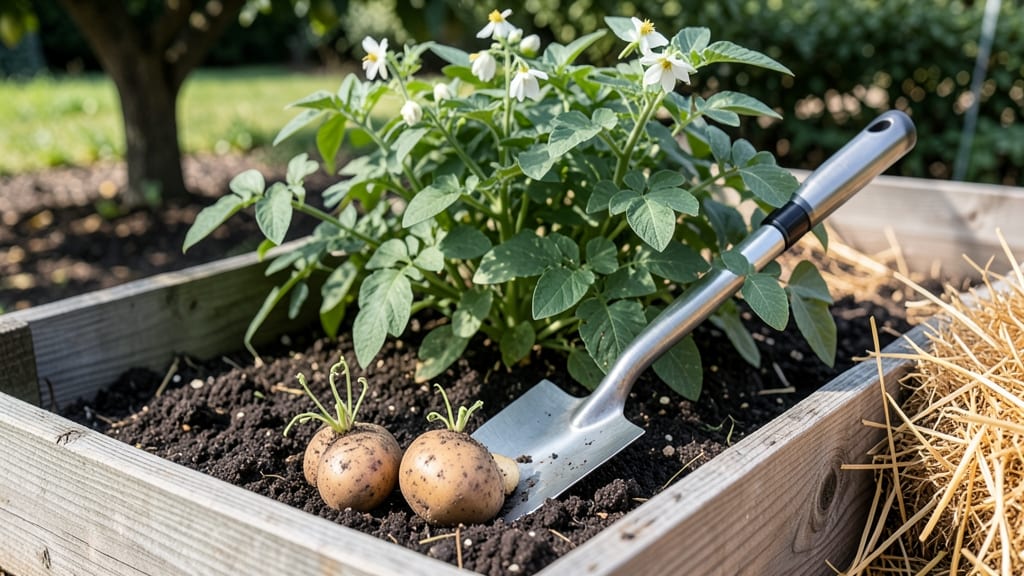
Planting potatoes in Michigan at the wrong time can mean the difference between a bountiful harvest of crisp 🥔 tubers and a sad, frost-nipped failure.
The key isn't just waiting for spring—it's knowing exactly when your USDA zone (like 5b-6b) signals "go," because those first warm days in March or April can be deceiving.
I've learned the hard way that Michigan's fickle weather demands precision. Plant too early, and your seed potatoes rot in cold soil. Too late, and you miss the 70–120-day growing window before the first frost.
The solution? A strategy that accounts for soil temperature (45°F+), last frost dates (usually around April 15), and whether you're growing early varieties or late-season keepers.
What I'm about to share isn't just dates—it's a game-changer for Michigan gardeners. We'll cover the exact planting windows for your zone, soil prep secrets to avoid common mistakes, and how to stretch your harvest with simple techniques like mulching or row covers.
Ready to turn guesswork into a foolproof plan?
Let's dive into the perfect timing for planting potatoes in Michigan, so you can enjoy homegrown spuds all summer long—without the stress of "did I plant too soon?" regrets.
Michigan potato planting dates by USDA zone (4-6): exact calendar guide
Michigan’s USDA zones 4-6 create a unique challenge for potato growers. The last average frost date shifts dramatically from northern to southern regions—from late April in zone 4a to early May in zone 6a.
But timing isn’t just about frost: soil must reach 45°F (7°C) for roots to establish properly. Plant too early, and your potatoes rot; too late, and you miss the 100-day growing window for most varieties.
I’ve broken down the optimal planting windows by zone, including early, mid, and late-season varieties to maximize your harvest. Pro tip: Use row covers to push northern zones 2-3 weeks earlier if needed. The key is balancing frost risk with soil warmth—neither should be compromised.
🥔
| USDA Zone | Last Frost Avg. | Planting Window | Soil Temp Threshold | Best Varieties |
|---|---|---|---|---|
| 4a (Northern MI) | Late May | May 1–15 (with row covers) | 45°F+ (use cold frames) | ‘Red LaSoda’, ‘Kennebec’ (early) |
| 4b (Upper Peninsula) | May 1 | April 20–May 5 | 45°F+ (wait for consistency) | ‘Yukon Gold’, ‘Dark Red Norland’ |
| 5a (Traverse City) | April 25 | April 10–25 | 45°F+ (test with thermometer) | ‘Russet’, ‘Fingerling’ mixes |
| 5b (Detroit) | April 15 | March 25–April 10 (early) | 45°F+ (earlier with mulch) | ‘Adirondack Blue’, ‘Sweetptato’ |
| 6a (Southern MI) | April 5 | March 15–April 5 (ideal) | 45°F+ (soil warms faster) | ‘Purple Viking’, ‘Katahdin’ |
🌱 Pro Tip: For zone 4-5, plant early varieties (60-70 days) first, then late varieties (100+ days) 2 weeks later for staggered harvests.
For zone 6a, you can even start indoor seed chitting in late February to jumpstart growth. Place seed potatoes in egg cartons near a sunny window—when sprouts reach 1 inch, they’re ready for March planting. This trick adds 2-3 critical weeks to your growing season.
In northern zones (4a-4b), focus on cold-hardy varieties like ‘Kennebec’ or ‘LaSoda’, which tolerate cooler soils better than others. If your soil stays below 45°F past May 1, consider black plastic mulch to warm the ground 5-10°F faster.
I’ve seen it work miracles in my zone 4b garden—potatoes emerged 10 days earlier than unmulched rows.
🌡️
Don’t rely on calendar dates alone. Michigan’s microclimates vary wildly—even within 10 miles. Check your local Almanac frost dates and adjust by 1-2 weeks based on your yard’s exposure.
A south-facing slope warms 3-5 days earlier than a north-facing low spot. Use a soil thermometer ($10 at garden centers) to confirm readiness—45°F at 4-inch depth is non-negotiable.
For
5 Critical factors that determine your Michigan potato planting success
Planting potatoes in Michigan isn’t just about dates—it’s about creating the perfect conditions for your seed potatoes to thrive. The soil temperature must reach at least 45°F (7°C), but even then, other factors like soil pH, seed quality, and spacing can make or break your harvest.
Let’s break down the 5 critical factors that separate a great potato yield from a disappointing one.
First, your soil pH needs to be between 5.0 and 6.5. Potatoes are acidic-loving plants, and soil that’s too alkaline will stunt their growth.
Test your soil in early spring—if it’s off, amend it with sulfur or peat moss to adjust the pH. Organic matter like compost is also a must, as potatoes need nutrient-rich soil to produce high-yield tubers.
Seed potato quality is another game-changer. Avoid using grocery store potatoes—they’re treated to prevent sprouting and may carry diseases. Instead, buy certified seed potatoes from a reputable supplier. Cut them into 1-ounce pieces with at least one eye (bud) each, then let them cure in sunlight for a few days before planting. This hardens the cut edges and encourages faster sprouting.
🌱 Critical Factors for Michigan Potato Success
- Soil Temperature: Wait until soil reaches 45°F+ (use a soil thermometer to check). Planting too early in cold soil delays sprouting and invites rot.
- Seed Quality: Use certified seed potatoes, not grocery store spuds. Cut pieces must have 1+ eyes and cure in light before planting.
- Spacing: Plant rows 3 feet apart and tubers 12–15 inches apart. Crowding leads to disease spread and stunted tubers.
- Mulching: Apply straw or grass clippings after sprouts emerge to retain moisture and suppress weeds. Replenish mulch as plants grow.
- Variety Selection: Choose early-maturing varieties (e.g., ‘Early Red’) for shorter seasons or late-season types (e.g., ‘Kennebec’) for storage.
Proper spacing is often overlooked but crucial. Plant your seed potatoes 3–4 inches deep in rows spaced 3 feet apart, with individual tubers 12–15 inches apart. This gives plants room to spread and reduces competition for nutrients.
As the plants grow, hill the soil around the stems every 2–3 weeks to encourage more tuber formation and prevent greening (toxic solanine buildup).
Mulching is a Michigan gardener’s best friend. Once your potato sprouts poke through the soil, cover the area between rows with straw or grass clippings. This keeps the soil moist, suppresses weeds, and protects tubers from sunlight exposure, which turns them green and bitter.
Replenish the mulch as the plants grow taller to maintain its effectiveness.
Finally, don’t underestimate the power of variety selection. Michigan’s shorter growing season (about 100–120 frost-free days) means you’ll need to choose varieties that mature quickly or have a long storage life.
For example, ‘Yukon Gold’ is great for early harvests, while ‘Kennebec’ stores well for winter. Always check the days to maturity on the seed packet and plan accordingly.
Avoid these 3 common mistakes that ruin Michigan potato harvests: planting too early (cold soil = rot), over-fertilizing with nitrogen (too much foliage, few tubers), and harvesting too late (tubers shrivel in hot soil).
With these factors in check, you’ll be well on your way to a bountiful potato harvest—no guessing games required! 🥔