
Companion Plants
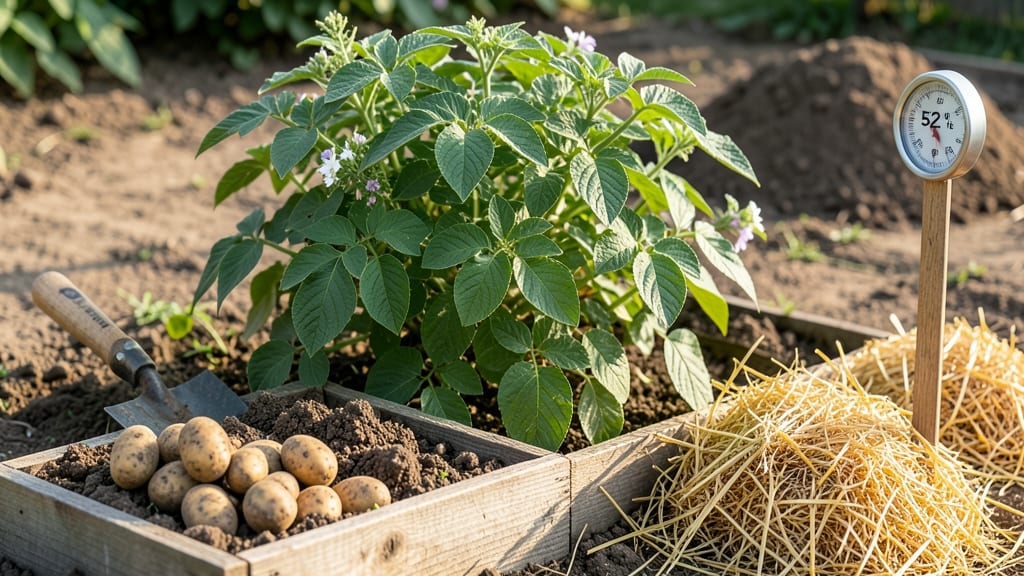
Planting potatoes in Ohio at the wrong time can turn your 🥔 dreams into a soggy mess—literally. With frost dates lingering into April and soil temperatures playing hide-and-seek, getting the timing right is the difference between a harvest of crisp, golden potatoes and a sad, stunted pile of green sprouts.
I’ve learned the hard way that Ohio’s Zone 6a climate demands patience and precision. The key? Waiting until soil hits 45°F—that’s your green light to dig in. Too early, and your potatoes will sit in cold soil, rotting before they even sprout.
Too late, and you risk missing the 90-day window for a full harvest before summer’s heat sets in.
But here’s the good news: with the right tricks—like chitting your seed potatoes indoors or using row covers—you can cheat the system and get a head start.
I’ll walk you through the exact steps to time your planting for Ohio’s fickle weather, so you can enjoy homegrown spuds faster than you can say “harvest season.”
Whether you’re a first-time gardener or a veteran with a few failed attempts under your belt, this guide cuts through the guesswork. Let’s get those 🥔 in the ground the right way—so you’re feasting on fresh potatoes by July instead of scrambling to salvage a half-baked crop.
Ohio potato planting calendar: exact dates by soil temperature and frost risk
Ohio’s variable climate means your potato planting window can shift dramatically from northern to southern regions. For most of the state (USDA Zones 5-7), aim to plant when soil temperatures hit 45°F (7°C)—this triggers consistent sprouting.
In Columbus, this typically falls between late March and mid-April, while Toledo may see earlier opportunities in early March.
Don’t rely solely on calendar dates—soil temperature is your true guide. Use a soil thermometer to confirm readiness. If your garden sits in a microclimate (like a sunny slope), you might plant 2 weeks earlier than the average.
Conversely, low-lying areas with late frost risks should wait until after April 15.
Ohio’s last average frost dates vary by region:
- Northern Ohio (Toledo, Cleveland): April 20-25
- Central Ohio (Columbus, Dayton): April 10-15
- Southern Ohio (Cincinnati, Athens): March 25-April 5
| Region | Ideal Planting Window | Soil Temp Trigger | Last Frost Date |
|---|---|---|---|
| Northern Ohio | Early April | 45°F+ (after March 15) | April 20-25 |
| Central Ohio | Late March-Mid April | 45°F+ (after March 1) | April 10-15 |
| Southern Ohio | Late February-Early April | 45°F+ (after February 15) | March 25-April 5 |
🌱 Pro Tip: Test soil with a thermometer at 4" depth for accuracy.
For early varieties (like Yukon Gold or Red Pontiac), you can plant as soon as soil is workable—even in February if using a cold frame or row cover. These fast growers (60-90 days) tolerate cooler soils better than late varieties, which need warmer temps to bulk up.
If you miss the spring window, don’t despair—Ohio’s mild autumn allows for fall planting too! Aim for late July to early August, using early-maturing varieties that can harvest before the first frost (October 15). Just ensure tubers have 90-120 frost-free days to mature.
To test soil readiness at home, press your finger into the ground. If it feels crumbly but firm (not muddy or powdery), it’s time to plant. Add compost or aged manure 2 weeks beforehand to boost warmth retention and nutrient availability.
Ohio’s unpredictable spring weather can delay planting—watch for consistent 50°F+ daytime temps before committing. If nights dip below 40°F, use frost blankets to protect young sprouts until they’re established.
For container growing, plant 2-3 weeks earlier than in-ground beds since pots warm up faster. Place containers in south-facing spots and use black plastic mulch to raise soil temperatures by 5-10°F.
Remember: Potatoes hate cold soil—planting too early in chilly conditions causes rot or slow growth. When in doubt, wait until soil hits 50°F (10°C) for optimal results.
How to time potato planting for Ohio’s unpredictable weather: pro tips to avoid common mistakes
Ohio’s spring weather is famously unpredictable, with late frosts sneaking in even after April 15—the average last frost date. I’ve watched seed potatoes freeze solid overnight, only to sprout the next morning when temps soared.
The key? Flexible timing and protective strategies to shield your crop from Mother Nature’s mood swings.
Start by chitting potatoes indoors 4-6 weeks before your target planting date. Place them in a cool, bright spot (like a sunny windowsill) with sprouts facing up. This jumpstarts growth, giving you a head start when soil finally warms.
I’ve had Yukon Golds sprout 2-inch shoots by planting time—those early sprouts translate to faster harvests.
Use a soil thermometer to confirm readiness—wait until soil hits 45°F at a 4-inch depth. Cold soil slows germination, leaving potatoes vulnerable to rot. Pro tip: Test multiple spots in your garden; northern Ohio soils warm slower than southern Ohio plots.
If temps hover near freezing, delay planting until soil stabilizes.
⚠️ Warning: Signs of Premature Planting
- Yellowing leaves after sprouting = soil too cold
- Stunted growth (<1-inch sprouts after 3 weeks) = delayed planting
- Blackened stems at soil line = frost damage
If you spot these, cover plants with row fabric or move containers to a sheltered spot until soil warms.
For extra protection, use row covers or cold frames to create a microclimate. I’ve extended my planting window by 2-3 weeks using floating row covers—just secure them tightly to prevent pests. In containers, move pots indoors during cold snaps (a sunny garage or basement works).
This trick lets me plant Red Pontiacs as early as mid-March in Columbus, even when outdoor temps dip to 32°F.
If frost strikes after planting, act fast: pile mulch around stems or drape row covers over plants. Avoid watering before frost—wet foliage freezes faster. After the threat passes, resume watering to 1-2 inches per week, focusing on soil moisture (not leaves) to prevent blight.
I’ve saved entire rows this way—don’t let a late frost ruin your hard work!
For late-season planting (May-June), choose fast-maturing varieties like ‘Early Girl’ (60 days) or ‘Kennebec’ (80 days). These tolerate Ohio’s short growing season better than long-season types.
Just plant deeper (4-6 inches) to protect tubers from heat stress. I’ve harvested baby potatoes as late as August using this method—perfect for quick side dishes!
Remember: Ohio’s 90-day window for potatoes starts at planting, not sprouting. Plan accordingly, and you’ll enjoy homegrown spuds from July through September. The secret? Stay flexible, protect your plants, and don’t rush—patience pays off with a bountiful harvest! 🌱