
Companion Plants
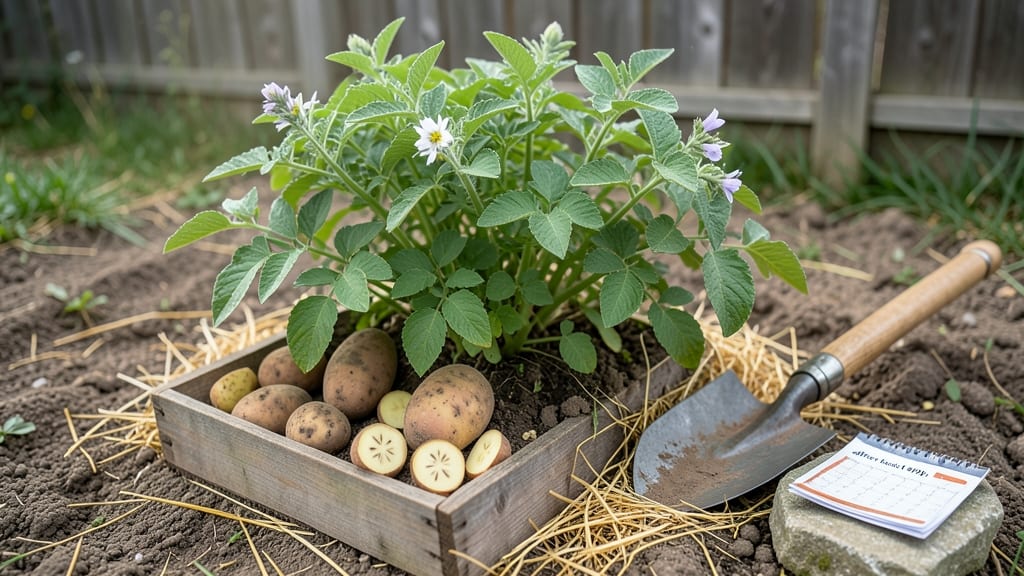
When should I plant potatoes in Ohio with perfect timing isn’t just about the calendar—it’s about dodging frost while giving your tubers the warm soil they crave to thrive. Skip the guesswork, and you could end up with stunted plants or worse, a blighted crop before summer even arrives.
Here’s the deal: Ohio’s 6a zone demands patience, especially when soil temperatures linger below 48°F—the magic threshold for potato seeds to sprout without stress.
Plant too early, and you risk frost damage; too late, and you might miss the sweet spot for a bumper harvest before summer’s heat sets in.
I’ll break down exactly when to plant—whether you’re in Cincinnati’s early-spring zone or Cleveland’s slower-warming soil—plus the 3 mistakes that trip up even experienced gardeners. Ready to turn your 🥔 harvest into a guaranteed success?
Let’s get your potatoes in the ground at the perfect moment, so you’re feasting on homegrown spuds by July instead of scrambling for store-bought.
Ohio’s ideal potato planting window: frost dates & soil temperature rules
Ohio’s potato planting success hinges on two critical factors: soil temperature and last frost dates. Unlike many crops, potatoes won’t sprout until soil reaches 45–48°F, making early planting a risky gamble in Ohio’s unpredictable spring.
The average last frost date across Ohio ranges from April 15 in southern regions to May 15 in northern areas, but your local microclimate can shift this window by weeks.
Planting too early in cold, wet soil stunts growth and invites disease pressure, while waiting too long reduces your harvest window. My rule of thumb? Aim to plant when your soil hits 48°F consistently—this ensures roots establish before summer heat arrives.
For Northern Ohio gardeners, this often means waiting until late April or early May, while Southern Ohio can start as early as mid-April.
To verify your local conditions, check the NOAA Frost Probability Map or use a seed-starting calculator like the Old Farmer’s Almanac. These tools account for Ohio’s 8 distinct growing regions, where a 5°F temperature difference can mean the difference between a bumper crop and a failed planting.
| Planting Timeframe | Soil Temp Requirement | Risk of Frost Damage | Blight Vulnerability | Yield Potential |
|---|---|---|---|---|
| Mid-April (Southern Ohio) | ≥48°F (1–2 weeks after last frost) | Low (if soil is warm) | Moderate (early blight risk) | High |
| Late April–Early May (Central/Northwest Ohio) | ≥50°F (wait for consistent warmth) | Very Low | Low (optimal timing) | Very High |
| May 1–15 (Northeast Ohio) | ≥52°F (delay until soil warms) | None | High (late blight risk) | Moderate |
Understanding these planting windows helps you avoid three common Ohio pitfalls: frost damage to emerging sprouts, early blight from planting in damp conditions, and stunted growth when soil stays too cool.
For example, planting ‘Yukon Gold’ potatoes in Southern Ohio by mid-April gives you a 90-day harvest window before Ohio’s first frost in mid-October, while the same variety planted in Northern Ohio in early May may only yield 75 days of growth.
Pro tip: Use a soil thermometer to check temperatures at 8-inch depth—this is where potato roots thrive. If your soil is below 45°F, delay planting even if your neighbors are already digging in. Patience here pays off with larger, disease-free tubers.
Ohio’s humid climate also amplifies blight risks, especially in late plantings. Late blight, caused by the same pathogen as Irish potato famine, thrives in cool, wet conditions—exactly what Ohio often delivers in May and June.
By planting at the optimal soil temperature, you give your potatoes a 6–8 week head start before blight season peaks.
For maximum yield, pair your planting timing with proper spacing (12–18 inches apart) and mulching (3–4 inches of straw) to maintain even soil temperatures. This combo reduces stress on your plants and keeps them focused on tuber production rather than surviving temperature swings.
Remember: Ohio’s frost-free window is your golden opportunity. Miss it, and you’ll either deal with frost-nipped sprouts or blight-ravaged crops. But nail the timing, and you’ll be harvesting bountiful potatoes from July through September.
How to adjust planting for Ohio’s microclimates & variety hardiness
Ohio’s diverse geography means your neighbor’s perfect potato planting time might not work for you. The state’s three distinct growing zones—Southern, Central, and Northern—can differ by 3–4 weeks in ideal planting windows.
For example, Cincinnati gardeners might plant in early April, while Cleveland’s last frost often lingers until mid-May. Understanding your local microclimate (like slopes or low-lying areas) can shave weeks off your wait time.
Your first step? Identify your Ohio zone using the USDA Plant Hardiness Map or your county’s average last frost date. Southern Ohio (Zones 6b–7a) typically sees frost-free soil by mid-April, while Northern Ohio (Zone 5b) may not warm up until early May.
Pro tip: Check the NOAA Climate Data for your specific zip code—it’s free and far more accurate than general guides.
Southern Ohio (e.g., Cincinnati): Plant 2–3 weeks earlier (early April) for first harvests. Northern Ohio (e.g., Cleveland): Delay until May 1 to avoid frost.
Cold-Tolerant: ‘Kennebec’, ‘Russet Burbank’ (plant at 45°F soil). Heat-Tolerant: ‘Sweetheart’, ‘Adirondack Red’ (avoid if nights stay below 50°F).
Low-lying areas? Wait 7–10 days longer—cold air pools and delays warming. South-facing slopes? Plant 1 week earlier for faster soil thaw.
Choosing the right potato variety is just as critical as timing. Ohio’s humid summers and variable springs demand smart selections. For short growing seasons (like Northern Ohio), opt for early-maturing varieties such as ‘Yukon Gold’ (90-day harvest) or ‘Red LaSoda’ (70-day harvest).
These thrive even if frost sneaks in early. Conversely, longer seasons in Southern Ohio suit later varieties like ‘Russet Burbank’ or ‘Kennebec’, which store better and handle heat well.
One common mistake Ohio gardeners make? Planting too early in cold, wet springs. Soil that’s 40°F or below can stunt sprouts or invite fungal diseases like late blight. To test soil warmth, use a soil thermometer—potatoes need at least 45°F to sprout consistently.
If your soil is still chilly, start seed potatoes indoors in pots (6–8 weeks before your target planting date) for a head start.
Don’t overlook microclimate tweaks that can save your harvest. For instance, south-facing slopes warm up 1–2 weeks faster than flat ground, while low-lying areas stay colder longer.
If you’re unsure, plant a test row of cold-hardy ‘Kennebec’ in early April—if it survives, you’ve got a green light for the rest of your crop. Just remember: patience beats regret when it comes to Ohio’s temperamental spring.
🌱