
Companion Plants
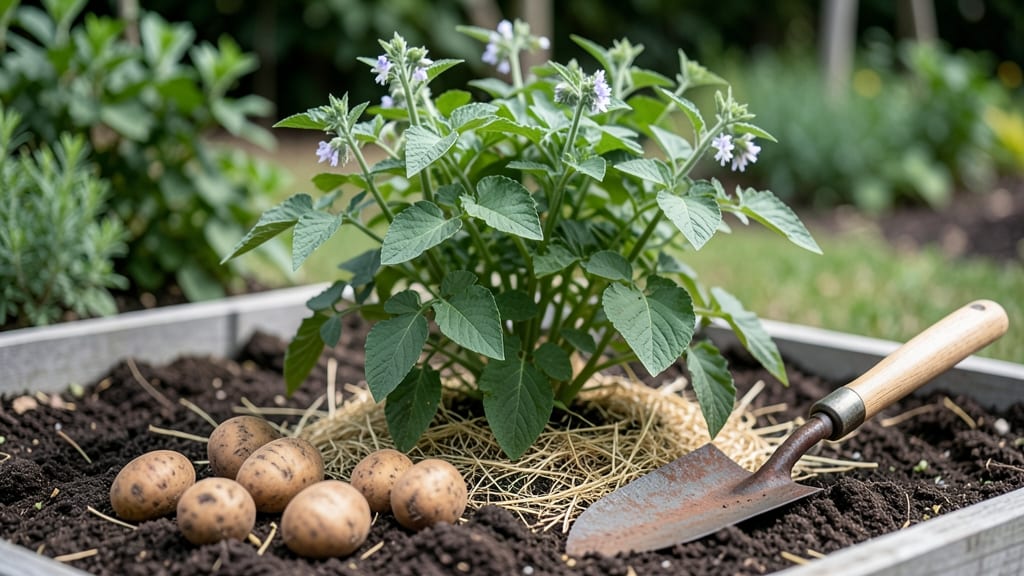
Planting potatoes at the right time in Zone 6 makes all the difference between a thriving harvest and a disappointing one—get it wrong, and you could end up with stunted 🥔 or even no yield at all.
I’ve learned the hard way that timing isn’t just about waiting for spring—it’s about soil temperature, frost dates, and knowing your exact last frost window. Whether you’re growing early varieties like Yukon Gold or late-season Russets, the right moment can mean the difference between a bountiful harvest and wasted effort.
In this guide, I’ll break down the exact weeks before your last frost to plant for the best results, plus how to adjust for early vs. late varieties. You’ll also discover common mistakes that ruin harvests in Zone 6 and how to avoid them.
Let’s get your potatoes in the ground at the perfect time so you can enjoy homegrown spuds all season long.
Zone 6 potato planting calendar: exact weeks before last frost for maximum yields
Planting potatoes in Zone 6 requires precision—get the timing wrong, and you’ll face blight, poor tuber formation, or even total crop failure. Unlike warmer climates, Zone 6’s last spring frost (typically April 15–May 15) dictates your window.
For most varieties, aim to plant 2–4 weeks before your last frost date, but soil temperature matters just as much as calendar dates.
The key is soil temperature, not air temperature. Potatoes thrive when soil reaches 45°F (7°C)—cold soil slows sprouting and invites rot. In northern Zone 6 (e.g., Chicago, Minneapolis), wait until mid-April to early May.
Southern Zone 6 (e.g., St. Louis, Nashville) can start as early as late March. Use a soil thermometer to confirm readiness—planting too early is a common mistake.
Here’s the golden rule: Plant seed potatoes when your last frost is 4–6 weeks away and soil is workable. Early varieties (like Red Pontiac) can handle cooler soils, while late varieties (like Russet Burbank) need warmer conditions.
For a continuous harvest, stagger plantings every 2 weeks—this extends your yield from summer to fall.
If you’re unsure about your last frost date, check your local USDA Plant Hardiness Zone Map or use a frost calendar from your state’s agricultural extension service. For example, Denver (Zone 6a) typically has its last frost around May 10, while Raleigh (Zone 7a) can plant earlier.
To hedge your bets, use row covers for early plantings—they add 2–4°F of protection against late frosts.
Another critical factor is daylength. Potatoes are short-day plants, meaning they tuberize (form potatoes) when daylight shortens. In Zone 6, this happens naturally in late May to June.
If you plant too late (after June 1), your yield will suffer because the plants won’t have enough time to mature before fall frosts (typically October 15–November 1).
For maximum yields, combine precise timing with proper spacing. Plant seed potatoes 3–4 inches deep and 12 inches apart in rows 30 inches apart. This spacing prevents disease and makes harvesting easier.
After sprouts reach 6 inches tall, mound soil around the stems (called hilling) to encourage tuber formation and protect against greening (toxic solanine buildup from sunlight).
Don’t forget about fall planting in Zone 6! While less common, you can plant late-season varieties (like Kennebec) in late July to early August for a winter harvest. These potatoes need 100–120 days to mature, so time it so they’re ready before the first hard frost.
Use black plastic mulch to warm the soil and extend the season by 2–3 weeks.
To summarize, Zone 6 potato planting success hinges on three things: soil temperature, last frost date, and variety selection. Early varieties give you a jumpstart, mid-season types extend your harvest, and late varieties reward patience.
With the right timing, you’ll go from tiny seed potatoes to a barrel of harvest-ready tubers—all without the guesswork.
How to adjust planting dates for early vs. late potato varieties in Zone 6
Not all potato varieties thrive on the same planting schedule in Zone 6. Early varieties like Yukon Gold or Red Pontiac need to go in the ground 2-3 weeks before your last frost date, while late varieties like Russet or Kennebec prefer planting 2-4 weeks after.
The difference? Early potatoes mature in 60-90 days, while late varieties take 90-120 days.
For the longest harvest window, I recommend planting both early and late varieties. Start with early potatoes 4-6 weeks before your last frost date, then follow up with late varieties 2-3 weeks after. This staggered approach ensures you have fresh potatoes from summer through fall.
| Variety Type | Planting Window | Days to Maturity | Best For |
|---|---|---|---|
| Early | 4-6 weeks before last frost | 60-90 days | Summer harvest |
| Mid-Season | 2-3 weeks before last frost | 90-110 days | Extended summer |
| Late | 2-4 weeks after last frost | 110-120 days | Fall harvest |
If you're in the northern part of Zone 6 (like Chicago or Minneapolis), aim to plant early varieties by March 15-April 1 and late varieties by April 15-May 1.
For the southern part (like Nashville or Atlanta), you can push early planting to February 15-March 15 and late varieties to March 15-April 1.
Pro tip: Use row covers or black plastic mulch to warm the soil faster if you're planting early. This can shave off 1-2 weeks from your planting window, giving you an earlier harvest.
For a second crop, try planting seed potatoes in late June for a fall harvest. This works best with early-maturing varieties like Red Norland and gives you potatoes when fresh produce is harder to find.
Remember, soil temperature matters more than air temperature. Wait until the soil reaches 45°F (7°C) at a depth of 4 inches—this ensures healthy sprouting and strong tuber formation.