
Companion Plants
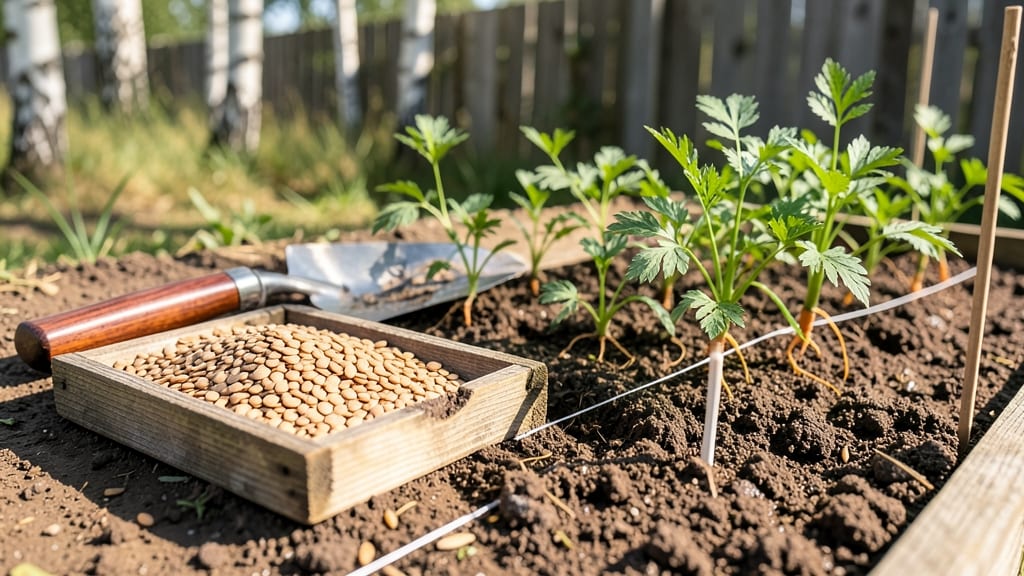
Planting carrots 🥕 in Zone 7a isn't just about throwing seeds in the dirt—it's about timing them perfectly to avoid woody roots or bolted greens. If you've ever pulled up a carrot that looks more like a pencil than a snack, you know how critical the right window is.
For Zone 7a gardeners, the ideal time to plant carrots is 4 to 6 weeks before your last frost date—typically between mid-March and mid-April. This gives them enough cool weather to germinate smoothly and grow into sweet, tender roots before summer heat sets in.
But here's the catch: planting too early can lead to slow germination in cold soil, while waiting too long risks bolting or stunted growth.
What most gardeners miss is that Zone 7a actually offers two prime planting windows: early spring and late summer. The first batch in spring gives you a harvest by late May, while a second round in July ensures a fall crop before frost.
I'll show you exactly how to space these plantings for a continuous supply of fresh, homegrown carrots all season long.
Ready to grow carrots that actually look like carrots? Let's break down the exact weeks to plant, soil prep tips, and how to avoid the most common mistakes that turn your garden into a root-shaped science experiment.
Best planting weeks for carrots in Zone 7a: frost timing and soil temperature
In Zone 7a, timing your carrot planting is critical—get it wrong, and you’ll end up with bitter, woody roots or plants that bolt too early.
The ideal window is 4-6 weeks before your last frost date, which for most of Zone 7a falls between March 15 and April 15. This timing ensures soil temperatures stay above 50°F, the minimum needed for germination.
Carrots are cool-season crops, so they thrive when soil temps are 50-75°F. Planting too early in cold soil (40°F or below) slows germination, while waiting too long risks summer heat stress, which causes bolting (flowering) and poor root development.
Use a soil thermometer to confirm temps before sowing.
For a continuous harvest, plan two plantings: one in early spring (March) and another in late summer (July-August). The fall planting takes advantage of cooler temperatures before the first frost (November 15 in Zone 7a), giving you roots ready for harvest in September-October.
| Planting Window | Soil Temp Requirement | Last Frost Buffer | Harvest Window |
|---|---|---|---|
| Early Spring (March 15-April 15) | 50-65°F | 4-6 weeks before last frost | May-June |
| Late Summer (July-August) | 50-70°F | 8-10 weeks before first frost | September-October |
If you’re unsure about your exact last frost date, check your local USDA Plant Hardiness Zone Map or use a frost calendar for your specific city.
For example, in Atlanta, GA (Zone 7b), the last frost is around March 15, while in Richmond, VA (Zone 7a), it’s closer to April 1. Adjust your planting date accordingly.
For early varieties like 'Early Nantes' or 'Paris Market,' you can push the envelope and plant as early as February under row covers or in a greenhouse. These varieties mature in 50-60 days, so they can tolerate slightly cooler soil.
However, avoid planting before February 15, as soil temps may still be too cold.
On the other hand, late-season varieties like 'Danvers' or 'Chantenay' take 70-80 days to mature, so they need to be planted by June 1 for a fall harvest. These varieties are more heat-tolerant but still benefit from shade cloth during peak summer heat to prevent bolting.
Pro tip: Test your soil’s pH level before planting—carrots prefer a neutral pH (6.0-7.0). Amend the soil with compost or aged manure if your soil is too acidic or alkaline. Well-draining, loose soil is a must for straight, smooth carrots.
Finally, avoid planting carrots in heavy clay soil or areas with rocks or debris, as these can cause deformed roots. If your soil is compacted, consider growing carrots in raised beds or containers filled with light, sandy loam.
With the right timing and soil prep, you’ll be harvesting crisp, sweet carrots all season long—no more woody or forked roots! 🥕
Best planting weeks for carrots in Zone 7a: frost timing and soil temperature
In Zone 7a, timing your carrot planting is critical—sow too early, and you’ll risk woody roots from cold soil; too late, and summer heat causes bolting. The ideal window is 4-6 weeks before your last frost date (typically March 15-April 15), when soil temps hit 50°F+.
For Zone 7a, aim to plant carrot seeds between mid-March and mid-April. This ensures roots mature before summer heat stress sets in. Early varieties like 'Early Nantes' tolerate cooler soils, while 'Danvers' needs warmer temps to thrive.
| Planting Window | Soil Temp | Varieties | Notes |
|---|---|---|---|
| Mid-March to Mid-April | 50°F+ | Early Nantes, Paris Market | Best for spring harvest |
| July-August | 60°F+ | Danvers, Chantenay | Fall harvest; use shade cloth |
Fall planting is also possible in Zone 7a—sow carrots in July-August for a September-October harvest. Choose heat-tolerant varieties like 'Chantenay' and provide afternoon shade to prevent bolting. Test soil temps first—60°F+ is ideal for germination.
Use a soil thermometer to confirm readiness. If temps dip below 50°F, wait 1-2 weeks. Cold soil slows germination and leads to uneven sprouts. Raised beds warm faster, giving you a 2-week head start over in-ground planting.
For extended harvests, combine spring and fall plantings. Spring carrots mature by May-June, while fall varieties last until first frost in November. Succession planting every 2-3 weeks ensures a steady supply—more on this in the next section!
Pro tip: Mark your calendar for Zone 7a’s last frost date (usually March 15) and count backward. This simple trick guarantees perfect timing for sweet, straight carrots every season. 🥕