
Companion Plants
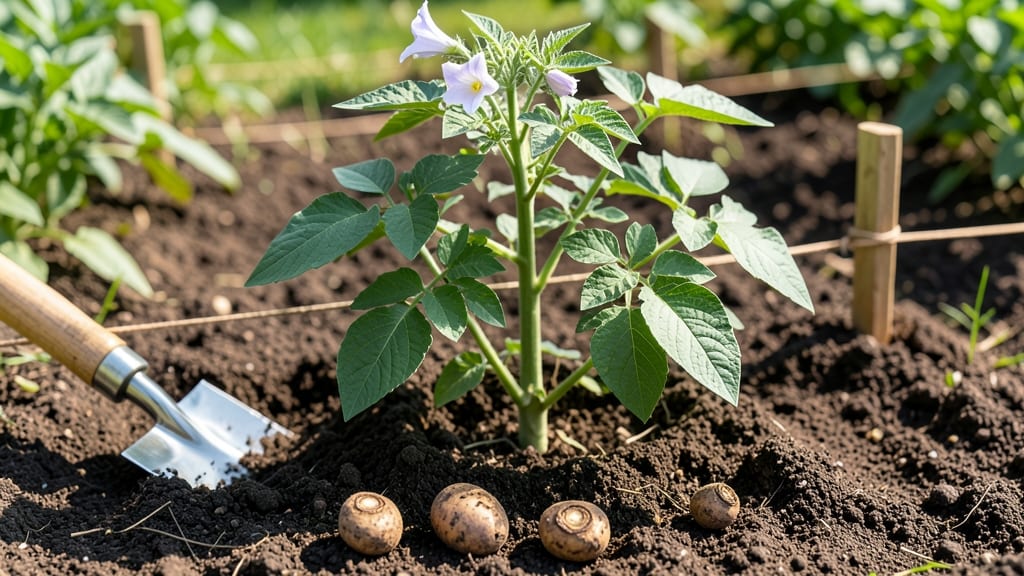
Planting your 🥔 potatoes at the wrong time in Zone 7 could mean the difference between a bumper harvest and a total flop—especially when unpredictable spring weather throws curveballs.
The key to success lies in timing those seeds just right, when soil temperatures hit that sweet spot of 45°F and frost risks fade.
Most gardeners in Zone 7 start their potato seeds indoors or in cold frames as early as February, but transplanting outdoors typically begins in March—about 2-4 weeks before the last expected frost date.
This early start gives tubers enough time to mature before summer heat sets in, while avoiding the dreaded late frosts that can wipe out tender shoots.
I’ve learned the hard way that rushing the process—planting too early when the ground is still cold—leads to rot, while waiting too long risks missing the 90-day growth window many varieties need.
The perfect window? Aim for early April in most of Zone 7, but adjust based on your microclimate and soil readiness.
In this guide, I’ll break down the exact steps to time your potato planting like a pro—from soil prep to variety selection—so you can enjoy homegrown spuds by June or July. Let’s get those 🥔 growing the right way!
Best planting windows for potatoes in Zone 7 (with frost-free guarantees)
In Zone 7, potatoes thrive when planted after the last frost date but before the soil warms too much—typically between mid-March and early April. This window balances frost risk with ideal soil temperatures of 45°F+ for sprouting.
Check your local USDA frost calendar since Zone 7 spans diverse regions from Virginia to Oklahoma, with last frosts ranging from March 15 to April 15.
For maximum yield, aim to plant 2-4 weeks before the last frost—this gives tubers time to establish roots before summer heat arrives. Early planting (late February) is risky unless you use row covers or cold-hardy varieties. Late planting (May) shortens the growing season, reducing harvest size and quality.
Here’s how to pinpoint your exact window using soil temperature and microclimate factors:
| Planting Window | Soil Temp | Zone 7 Region | Action |
|---|---|---|---|
| Late February | 35–45°F | Southern Zone 7 (OK, TX) | Use row covers for frost protection |
| Mid-March | 45–55°F | Central Zone 7 (TN, AR) | Ideal for seed potatoes |
| Early April | 55–65°F | Northern Zone 7 (VA, NC) | Best for transplants if frost risk remains |
| Late April | 65°F+ | All regions | Risk of blight increases |
For a continuous harvest, stagger plantings every 2 weeks from March to May. This ensures tubers mature at different rates, giving you fresh potatoes from June through August. Choose early-maturing varieties (60–90 days) for the latest plantings to avoid summer heat stress.
Soil preparation is critical—amend your garden bed with compost and a balanced fertilizer (10-20-20) to ensure tubers have phosphorus for growth. Test your soil’s pH; potatoes prefer 5.0–6.5. If your soil is heavy clay, consider raised beds to improve drainage and warm up faster in spring.
Pro tip: Use a soil thermometer to confirm readiness. Potatoes won’t sprout until soil reaches 45°F. If temperatures fluctuate, delay planting until conditions stabilize for 3–5 consecutive days above 45°F.
Remember, Zone 7’s unpredictable springs can throw off timing. If a late frost hits after planting, protect seedlings with lightweight row covers or a cloche. Conversely, if summer arrives early, prioritize shade cloth to prevent tuber greening (which produces toxic solanine).
For fall planting (less common but possible in mild Zone 7 areas), aim for late August to early September to harvest before the first frost. Use early-maturing varieties like ‘Red Norland’ to ensure tubers develop before cold sets in.
By mastering these planting windows, you’ll avoid the two biggest mistakes: frost damage and blight from overheating. Start with a small test patch to refine your local timing before scaling up!
Best planting windows for potatoes in Zone 7 (with frost-free guarantees)
In Zone 7, potatoes thrive when planted after the last frost but before the soil warms too much—aim for mid-March to early April for the best results. The key is waiting until the ground reaches 45°F+ at least 6 inches deep, which signals safe planting.
This window ensures your tubers develop without frost damage while avoiding summer heat stress.
Zone 7 spans diverse microclimates, so check your local last frost date (typically mid-March) and adjust accordingly. For example, areas like Charlottesville, VA can plant 2 weeks earlier than Knoxville, TN, where late frosts linger.
Use these dates as a guideline, not a rule—soil temperature matters more than calendar dates.
Here’s how to align your planting with Zone 7’s conditions for maximum yield:
| Planting Window | Soil Temp Requirement | Zone 7 Average Dates | Risk if Planted Too Early |
|---|---|---|---|
| Early Spring (Feb - Early March) | 40°F+ (with frost protection) | Late Feb - Mid-March | Frost damage to sprouts |
| Ideal Window (Mid-March - Early April) | 45°F+ (6" deep) | Mid-March - Early April | Optimal tuber development |
| Late Window (April - Early May) | 50°F+ (6" deep) | Late April - Early May | Smaller yield, heat stress |
For a continuous harvest, stagger your plantings every 2 weeks between mid-March and early April. This ensures fresh potatoes from June through July, just as summer heat arrives. Early plantings (February) are risky but possible with row covers to shield from late frosts.
Pro tip: Use a soil thermometer to confirm readiness—potatoes won’t sprout until soil hits 50°F. If your area has unpredictable springs, opt for cold-hardy varieties like Yukon Gold or Red Pontiac, which tolerate cooler soils better than others.
Remember, Zone 7’s 180 frost-free days are your ally—plant too late, and your potatoes may mature just as summer heat peaks, reducing quality. Aim for 90 days to harvest to sync with your climate’s sweet spot.