
Plants
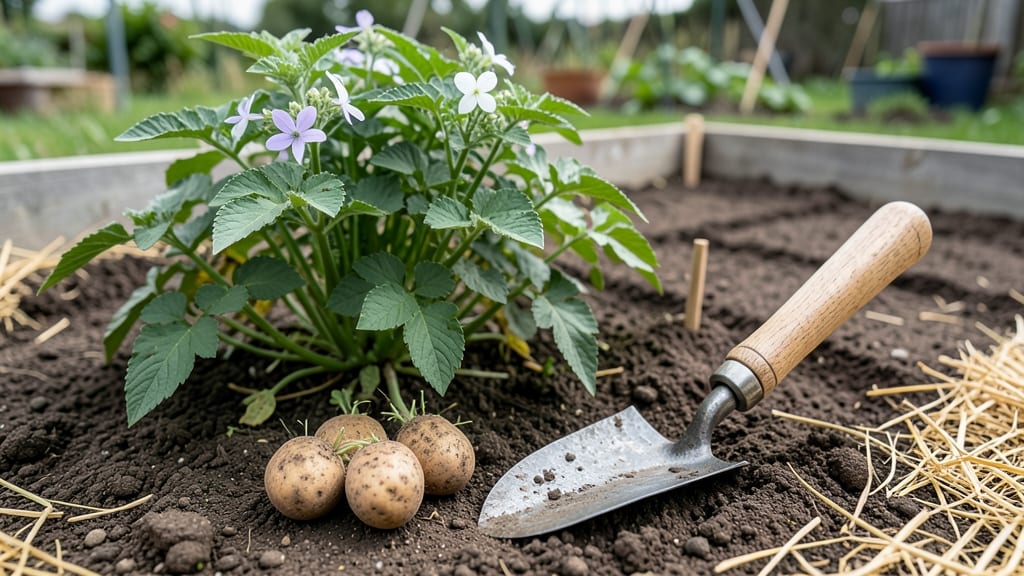
Planting potatoes in Florida isn’t just about throwing seed potatoes into the ground—it’s a delicate dance with the state’s long, frost-free growing season and intense heat.
Unlike northern climates, Florida’s 9a-11 zones let you grow potatoes twice a year, but timing is critical: plant too early, and your 🥔 will overheat; too late, and pests or summer’s oppressive humidity will sabotage your crop.
Most Florida gardeners swear by two ideal windows: early spring (January–March) for a spring harvest, or late summer/fall (September–October) to beat the worst heat. But here’s the catch—North Florida’s rare December frosts (yes, they happen!) and South Florida’s relentless summer sun mean your strategy must adapt.
I’ll break down exactly when to plant, how to prep your soil, and which varieties thrive in your specific corner of the state.
Ready to grow potatoes that actually produce? You’ll learn how to chit your seed potatoes for faster sprouts, when to mulch to keep tubers cool, and which pests to watch for in each season. No more guessing—just science-backed steps to turn your Florida garden into a potato powerhouse.
Whether you’re a first-timer or a seasoned grower, these tips will help you harvest plump, disease-free potatoes—twice a year. Let’s get started.
Florida’s best potato planting windows by heat zone (avoid these mistakes)
Florida’s frost-free climate makes potato growing possible year-round—but timing is everything. Unlike northern states, you won’t worry about frost damage, but soil temperatures above 85°F will cook your tubers before harvest.
The key? Plant when daytime highs stay below 80°F and nights dip into the 60s for optimal tuber formation.
Florida spans 11 USDA heat zones (8A-10A), each with distinct microclimates.
North Florida (Zones 8A-8B) has slightly cooler winters, while South Florida (Zones 9B-10A) faces year-round heat. Your planting window shifts 2-3 months depending on your zone—but the goal is always the same: harvest before summer’s brutal heat sets in.
Here’s the critical mistake most Florida gardeners make: planting during “false spring” heat spikes (like March in North Florida or September in South Florida). These 3-4 week windows trick you into thinking it’s safe—until your potatoes sprout, then rot in the heat. We’ll show you exactly which months to avoid.
| Heat Zone | Ideal Planting Months | Avoid These Months | Soil Temp Threshold | Harvest Window |
|---|---|---|---|---|
| 8A-8B (North FL: Jacksonville, Gainesville) | Jan-Feb, Sep-Oct | March-April, Nov | 55°F-75°F | April-May, Dec |
| 9A (Central FL: Orlando, Tampa) | Dec-Jan, Aug-Sep | Feb-Mar, Oct-Nov | 60°F-78°F | March-April, Nov |
| 9B-10A (South FL: Miami, Fort Myers) | Sep-Oct, Jan-Feb | March-April, Nov-Dec | 65°F-80°F | Nov-Dec, April |
🌡️ Pro Tip: Use a soil thermometer to confirm temps—below 55°F delays growth, above 85°F causes tuber rot.
For North Florida (Zones 8A-8B), your primary window is January-February or September-October. This gives you two harvests: spring (April-May) and winter (December). The September-October planting is riskier—aim for early-maturing varieties like ‘Red LaSoda’ (60 days) to beat summer heat.
In Central Florida (Zone 9A), you can stretch planting to December-January for a March-April harvest, but avoid February-March when daytime temps often hit 85°F+. Instead, opt for August-September planting for a November harvest—just mulch heavily to keep tubers cool.
South Florida gardeners (Zones 9B-10A) have the most flexibility but must work around year-round humidity. Plant September-October for a November-December harvest or January-February for a April harvest. Never plant in March-April—this is when soil temps exceed 85°F, turning tubers to mush.
Here’s how to adjust for your specific location:
- Check your local frost dates (even North Florida gets rare frost in January-February).
- Monitor 7-day soil forecasts—avoid planting when nighttime lows drop below 50°F or daytime highs exceed 80°F.
- For Zone 10A (Miami), use shade cloth (30-50%) if planting in summer to lower soil temps by 10-15°F.
One common Florida-specific mistake is ignoring humidity’s role. High humidity + heat = perfect conditions for late blight, a fungal disease that can wipe out your crop in 7-10 days. Always plant certified disease-resistant varieties like ‘Atlantic’ or ‘Kennebec’ in humid zones.
Finally, succession planting is your secret weapon. In North Florida, stagger plantings every 3-4 weeks from January-March for a continuous harvest through May-June. In South Florida, September and January are your best bets for two reliable harvests
Step-by-step potato planting calendar for Florida’s humid climate
Florida’s humid climate and frost-free winters create unique challenges for potato growers. Unlike northern states, you can’t rely on frost to signal planting time—so I’ve broken down the critical steps and month-by-month deadlines to ensure your seed potatoes thrive in Florida’s heat and moisture.
Your first task is chitting (pre-sprouting) seed potatoes 4-6 weeks before planting. Place whole, certified seed potatoes in a cool, bright spot (60-65°F) with their rose ends up.
This jumpstarts growth and gives you a 2-week head start on the season. Skip this step, and you’ll risk slower emergence in Florida’s warm soils.
- 🌱 January-February: Chit seed potatoes (4-6 weeks before planting). Test soil—ideal temperature: 50-60°F.
- 🌱 Mid-February to March: Plant early varieties (e.g., ‘Yukon Gold’) when soil warms to 55°F+. Use raised beds in Zone 10A.
- 💧 March-April: Mulch heavily (straw or grass clippings) to retain moisture and block green potato formation.
- 🌿 April-May: Harvest spring potatoes when foliage yellows. Hill soil every 2-3 weeks to prevent sunburn.
- 🌱 September-October: Plant fall varieties (e.g., ‘Red LaSoda’) for November-December harvest.
- ❄️ November: Protect from rare frost in North Florida with row covers or cold frames.
Soil preparation is non-negotiable in Florida’s clay-heavy soils. Test your pH—potatoes prefer 5.0-6.5. If your soil is acidic (below 5.0), amend with lime 2-3 months before planting.
For sandy soils (common in Central Florida), mix in compost or aged manure to improve water retention. Avoid fresh manure—it can burn roots and attract pests.
When planting, cut seed potatoes into 1.5-2 oz pieces, ensuring each has at least one eye. Space them 12 inches apart in rows 30 inches apart to allow airflow and reduce blight risk.
Plant 4-6 inches deep—deeper in sandy soils to protect tubers from heat. Use a soil thermometer to confirm depth—Florida’s summer soils can exceed 90°F, cooking tubers if planted too shallow.
After planting, mulch immediately with straw or black plastic to:
- Regulate soil temperature (keep under 85°F)
- Suppress weeds (critical in Florida’s humid climate)
- Retain moisture (reduce watering to 2-3 times per week)
Never skip mulching—unmulched Florida soils lead to green (toxic) potatoes and tuber rot.
Monitor for Florida-specific pests like potato leafhoppers and sweetpotato whiteflies. If you see yellowing leaves or sticky residue, spray with neem oil or insecticidal soap.
For disease prevention, rotate crops—never plant potatoes where tomatoes, peppers, or eggplants grew the prior year (they share verticillium wilt pathogens).
Finally, time your harvest correctly. For new potatoes, dig when foliage is half-dead (about 60 days). For mature tubers, wait until foliage completely yellows (90-120 days). Dig carefully—Florida’s loose soils make tubers easy to bruise.
Cure harvested potatoes in a dark, humid space (80°F, 85% humidity) for 1-2 weeks to toughen skins and improve storage life.