
Companion Plants
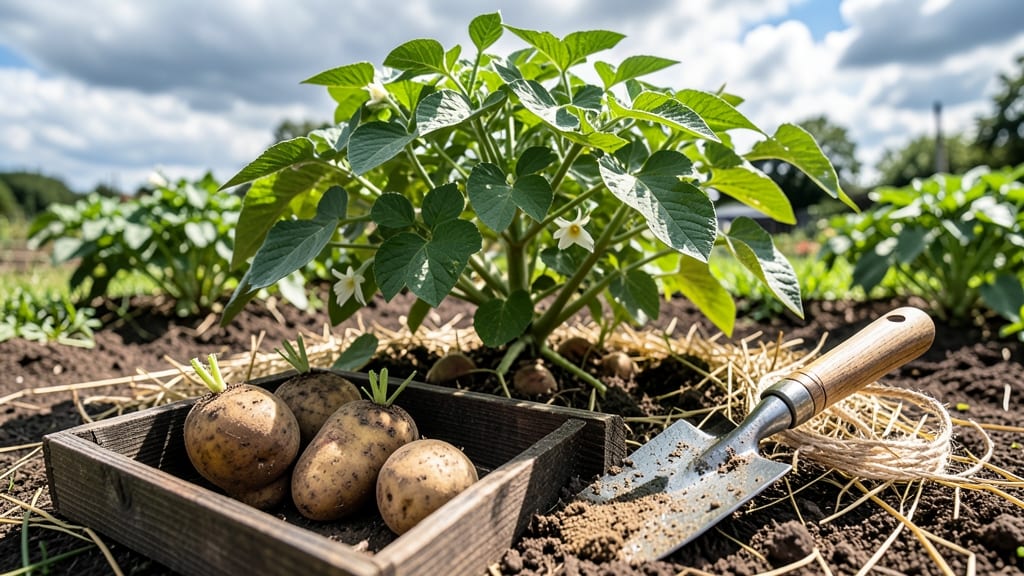
Timing when can I plant potatoes in Zone 7B isn’t just about flipping a calendar—it’s about catching that narrow window when soil temperatures and frost risks finally align for explosive growth. One wrong move, and you’ll end up with stunted tubers or plants that bolt before producing a single edible 🥔.
Most gardeners in Zone 7B make the mistake of waiting too late, only to watch their early varieties get nipped by late frosts or their main crop struggle in overheated soil.
The key is planting when soil hits 40°F-50°F, typically 2-4 weeks before your last frost date—which in 7B usually lands in mid-March.
Here’s the game-changer: I’ll break down exactly when to plant for fast sprouting, how to test soil temps like a pro, and which varieties thrive in 7B’s short season. Whether you’re going for early harvests or a full-season crop, you’ll leave here with a foolproof timeline.
Ready to grow potatoes that outperform your neighbors’? Let’s dig into the science—and skip the guesswork—so you can enjoy homegrown spuds by summer.
Zone 7B potato planting timeline: soil temperature triggers explained
In Zone 7B, where last frost dates hover around March 15 and first frosts arrive by November 15, timing your potato planting is all about soil temperature triggers.
Potatoes need soil between 40°F and 50°F to sprout consistently, but planting too early risks frost damage, while waiting too long cuts your growing season short. Here’s how to pinpoint your exact planting window.
Most gardeners in Zone 7B plant potatoes in early spring (February-March) for a main crop, but early varieties can go in as soon as January if soil temps are stable.
The key is monitoring soil temperature—not air temperature—because cold air won’t stop roots from forming if the ground has warmed enough. Use a soil thermometer to check depths of 4-6 inches.
For a successive harvest, many gardeners plant in two waves: the first batch in late February (early varieties) and the second in mid-April (main crop). This stretches your harvest from June through August and reduces disease pressure by avoiding overcrowded beds.
In my Zone 7B garden, I’ve found that planting Red Pontiac in March and Yukon Gold in April gives me tubers ready at different times.
🚨 Critical Tip: If you’re planting seed potatoes (not sprouted), chill them in the fridge for 4-6 weeks before planting to mimic winter conditions. This ensures uniform sprouting once soil temps rise. Skip this step if you’re using pre-sprouted seed potatoes, as they’re already primed for growth.
🌱 Zone 7B Potato Planting Summary
| Planting Window | Soil Temp | Variety Type | Harvest Time |
|---|---|---|---|
| Late January - Early February | 40°F-45°F | Early (60-80 days) | Early June |
| Mid-February - March | 45°F-50°F | Mid (90-110 days) | July |
| Mid-April - Early May | 50°F-55°F | Late (110-130 days) | August |
💡 Pro Tip: Use row covers for early plantings to protect from late frosts while allowing sunlight to penetrate.
If you’re new to potato planting, don’t stress about perfect timing—Zone 7B’s climate is forgiving if you adjust for local microclimates. For example, my south-facing beds warm up faster than shaded areas, so I plant there first.
To test your soil’s readiness, stick your hand 6 inches deep; if it feels cool but not freezing, it’s likely in the 40°F-50°F range.
For fall planting, some gardeners try a second crop in late August using early-maturing varieties, but this is risky in Zone 7B due to short daylight hours and early frost risks.
I’ve had mixed success with this method—it works in milder microclimates but often fails in colder pockets of the zone. If you’re curious, test a small patch with Red Norland, which tolerates cooler soils.
Frost protection is your best friend in Zone 7B. Even if soil temps are ideal, a late frost can devastate young potato plants. Use frost blankets or black plastic mulch to insulate beds, especially for early plantings. I’ve saved entire rows by covering them with lightweight row fabric during unpredictable March cold snaps. This small investment can mean the difference between a bountiful harvest and a failed crop.
Finally, remember that potato varieties behave differently in Zone 7B. Early varieties like Early Girl or Yukon Gold are your safest bets for spring planting, while late varieties like Kennebec need the full growing season.
Always check the days to maturity on seed packets and count backward from your average first frost date to avoid planting too late.
With these soil temperature triggers and Zone 7B-specific tips, you’ll be well on your way to a high-yield potato harvest. The key is patience—wait for the soil, not the calendar, and your potatoes will reward you with plump, disease-free tubers all season long. 🥔
Zone 7B potato planting timeline: soil temperature triggers explained
In Zone 7B, potatoes thrive when planted at the right soil temperature—typically between 40°F and 50°F. This window ensures tubers sprout quickly without risking frost damage.
For me, this means starting as early as late January for cold-hardy varieties, but most gardeners aim for February to March for optimal growth.
Soil temperature is more critical than air temperature. Use a soil thermometer to check depths of 4-6 inches, where potatoes will root. If your soil is below 40°F, delay planting to avoid slow germination or rot.
In my experience, early March is the safest bet for most of Zone 7B, aligning with the last frost date of March 15.
🌱 Zone 7B Potato Planting Summary
| Planting Window | Soil Temp | Frost Risk | Best Varieties |
|---|---|---|---|
| Late January | 40°F-45°F | High (early frost) | Yukon Gold, Red Norland |
| February-March | 45°F-50°F | Moderate (last frost) | Kennebec, Purple Viking |
| April-May | 50°F+ | Low (post-frost) | Russet Burbank, Fingerlings |
For early varieties, I like to plant 4-6 weeks before the last frost to maximize the growing season. This works best for Yukon Gold or Red Norland, which mature in 60-90 days.
If you miss this window, don’t panic—late April to early May still works for slower varieties like Russet Burbank, which need 100+ days to mature.
Zone 7B’s 190 frost-free days mean timing is everything. Planting too early risks frost damage to emerging sprouts, while planting too late cuts your harvest window short. I’ve found that chitting potatoes (pre-sprouting in light) gives them a head start, especially for late plantings.
If you’re unsure about your soil temperature, use a planting calendar for your specific location. Many local Cooperative Extension offices provide free frost and planting guides tailored to Zone 7B. For me, this has been a game-changer in avoiding guesswork.
Remember, soil type matters. Sandy soils warm faster than clay, so adjust your planting date accordingly. Amend heavy soils with compost to improve drainage and warmth retention. This small step can mean the difference between a bountiful harvest and a disappointing one.