
Companion Plants
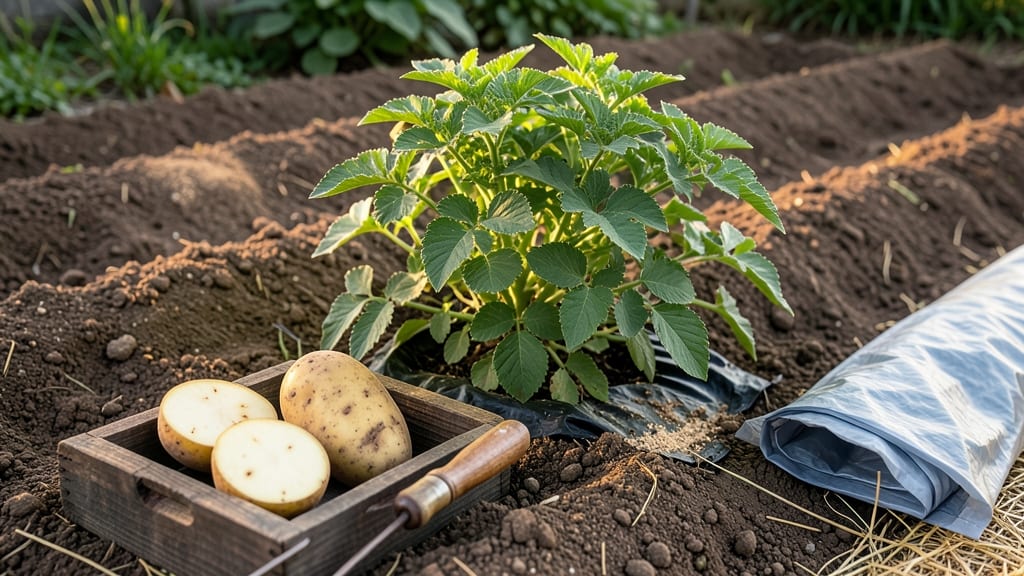
Planting your 🥔 potatoes at the wrong time in Zone 7 could mean the difference between a harvest full of golden tubers and a sad pile of shriveled scraps.
The secret to success isn't just waiting for spring—it's understanding when your soil warms up and how frost dates play into the equation.
Most gardeners in Zone 7 rush to plant as soon as the calendar hits March, but that can backfire if the ground is still too cold.
The ideal window actually starts when soil temperatures hit 45°F—usually late March or early April—giving your potatoes the perfect start without risking frost damage.
Here's what you'll discover: the exact frost-free deadlines for your area, how to adjust for early vs. late varieties, and the simple soil prep tricks that make all the difference. Whether you're a first-time grower or a seasoned pro, these insights will help you time your planting like a master.
Let's dive into the game-changer timing strategies that'll have you digging up potatoes like a pro by summer's end. Your future harvest is waiting—just don't plant too early!
Zone 7 potato planting calendar: exact dates by soil temperature & frost risk
Planting potatoes in Zone 7 requires precision—get the timing wrong, and you’ll face either frost damage or blight-prone conditions. The ideal window hinges on two critical factors: soil temperature (wait until it hits 45°F) and your last frost date (typically March 15 in most of Zone 7).
Coastal areas may have earlier dates, while inland regions can push planting into early April.
For early varieties (like Red Pontiac), aim to plant 2-4 weeks before your last frost—this gives them time to mature before summer heat sets in. Mid-season varieties (such as Yukon Gold) thrive when planted 2-3 weeks after your last frost, while late-season types (like Russian Banana) can handle planting up to June 1 for a fall harvest.
Here’s the breakdown of your Zone 7 potato planting calendar, tailored to soil conditions and frost risk:
If you’re in a coastal Zone 7 area (like North Carolina’s Outer Banks), you can plant 2-3 weeks earlier than inland regions due to milder microclimates. Conversely, inland or high-elevation spots (like West Virginia) may need to delay planting until April 1 to avoid late frosts.
For succession planting, stagger your early and mid-season varieties every 2-3 weeks to ensure a continuous harvest. For example, plant Red Pontiac in late February, Yukon Gold in early April, and Russian Banana in mid-May.
This strategy maximizes your garden space and reduces blight risk by avoiding overcrowded plants at peak maturity.
Always check your local frost dates using the USDA Plant Hardiness Zone Map or your local cooperative extension service. Even a single late frost can kill young potato plants, so err on the side of caution if your area has unpredictable spring weather.
Once your soil hits 45°F and the threat of frost has passed, it’s time to plant! Cut your seed potatoes into chunks with at least 2-3 eyes each and let them cure for 24 hours before planting. This ensures faster sprouting and a stronger start.
🌿
How to adjust planting timing for early vs. late varieties in Zone 7
Planting potatoes in Zone 7 isn’t just about timing—it’s about matching your variety’s maturity to the season’s frost risks and harvest windows. Early varieties (like Yukon Gold) mature in 60–90 days, while late varieties (like Russet Burbank) take 110+ days.
Planting the wrong type too late risks blight or frost damage before harvest.
For early potatoes, aim to plant 2–3 weeks before your last frost date (typically mid-March in Zone 7). These fast growers can harvest by late June, avoiding summer blight risks.
Late varieties, however, need a longer growing season—start them 4–6 weeks earlier (by early March) to harvest by September.
| Variety Type | Days to Maturity | Planting Window | Harvest Window |
|---|---|---|---|
| Early (e.g., Red Pontiac) | 60–90 days | Mid-March to early April | Late June to July |
| Mid-Season (e.g., Kennebec) | 90–110 days | Early March to mid-April | July to August |
| Late (e.g., Russet Burbank) | 110+ days | Early March (or late February for early harvest) | August to September |
To extend your harvest, try succession planting: plant early varieties first, then follow with mid- and late-season types 2–3 weeks apart. This keeps your garden productive and reduces disease pressure from overcrowded plants.
For example, plant Red Pontiac in March, then Kennebec in April, and Russet Burbank in early May for staggered harvests.
Watch for soil temperature—potatoes thrive when soil hits 45°F (7°C). Use a soil thermometer to confirm readiness, especially in cooler microclimates like valleys. If temperatures stay below 40°F, wait or use black plastic mulch to warm the soil faster.
For Zone 7 gardeners, late varieties are riskier but rewarding. If you’re unsure, opt for mid-season types like Yukon Gold, which balance yield and timing. Always rotate crops yearly to prevent soil-borne diseases like blight, which thrive in warm, humid Zone 7 summers.
Pro tip: Chit your seed potatoes (sprout them indoors) 4–6 weeks before planting. This gives them a head start, ensuring faster emergence and a longer growing season for late varieties. Store them in a cool, bright spot (around 50°F) to encourage even sprouting.