
Plants
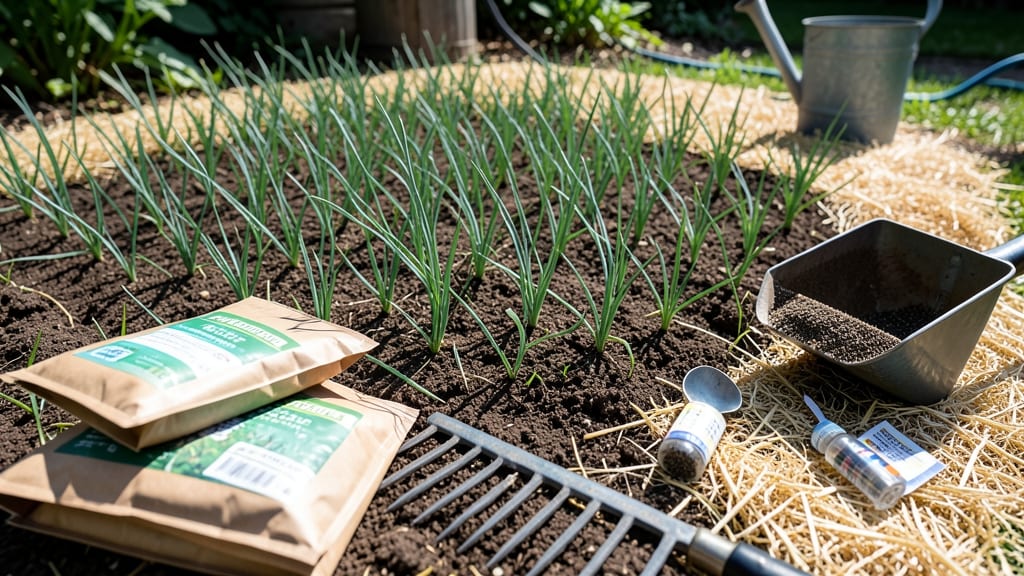
Planting Grass (Turfgrass) 🌱 in Michigan isn’t just about grabbing seed and tossing it on the ground—timing can make or break your lawn’s success.
With frost dates shifting from mid-April in southern regions to late May in the Upper Peninsula, getting the window wrong means either battling late frosts or fighting summer drought stress.
You’ve probably heard the rule of thumb: early spring or early fall. But Michigan’s 5b-6b climate zones throw a wrench into that plan. Too early, and your seedling grass could freeze before taking root. Too late, and you risk heat stress or weeds stealing the show.
What if I told you the perfect planting window isn’t just about dates—it’s about soil temperature, rainfall patterns, and even which grass variety you choose? Whether you’re in Detroit’s warmer microclimate or Marquette’s cooler north, we’ll break down the exact timing and steps to ensure your lawn thrives.
Let’s cut through the guesswork and get your Grass (Turfgrass) planted at the ideal moment—so you can enjoy a lush, green lawn all season long.
Michigan grass seed planting dates by region: southern vs northern timelines
Michigan’s diverse climate zones mean your neighbors might plant grass seed weeks before or after you. The Lower Peninsula stretches from USDA Zone 5b in the north to Zone 6b in the south, while the Upper Peninsula stays cooler year-round.
These differences directly impact your planting window—get it wrong, and you’ll face frost damage or summer drought stress.
For most of Michigan, early spring (March-April) and early fall (September-October) offer the best chances for success. However, northern regions like Marquette often wait until late May to avoid late frosts, while southern areas like Detroit can start as early as mid-March.
Understanding these regional differences saves time, money, and frustration.
Here’s how to align your planting with Michigan’s average last frost dates and microclimates—because a backyard in Grand Rapids behaves differently than one in Traverse City or Sault Ste. Marie. Let’s break it down by region so you can plant with confidence.
Use these regional timelines as your starting point, but don’t rely solely on averages. Check your local Almanac frost dates or use a soil thermometer—seed won’t germinate until soil reaches 40°F (4°C) for cool-season grasses or 50°F (10°C) for warm-season types.
Pro tip: Northern Michigan gardeners often wait until late May to avoid late frosts that can kill tender seedlings.
Fall planting offers a second chance for Michigan lawns, especially in southern regions where seeds can establish roots before winter. Aim to plant 4-6 weeks before the first frost—typically mid-September to early October in the Lower Peninsula.
In the Upper Peninsula, shift to early August to beat the early snow. Cool fall temperatures reduce weed competition and drought stress, giving your grass a head start.
Microclimates play a huge role in Michigan. A south-facing slope in Detroit might warm up enough for early spring planting, while a shaded valley in Traverse City could stay too cold until June. Observe your yard’s behavior for 3 years
How to adjust grass seed planting for Michigan’s unpredictable weather patterns
Michigan’s weather can throw a curveball at even the best-laid lawn plans. One day it’s 50°F and sunny, the next it’s a 32°F frost warning. If you’ve ever planted grass seed only to watch it freeze or bake under unexpected heat, you know how frustrating this can be.
The key isn’t just picking the right dates—it’s preparing for soil temperature shifts, late frosts, and early heatwaves that can derail your lawn.
I’ve learned the hard way that even the most precise planting window can fail if the weather takes a turn. For example, planting in late April might work in Detroit, but in Traverse City, you could still face frost.
The solution? A mix of soil temperature checks, protective mulching, and choosing the right grass variety for your microclimate. Let’s break down how to adjust your approach for Michigan’s wild swings.
Soil temperature is your first clue—cool-season grasses like Kentucky Bluegrass need soil at least 40°F, while warm-season types like Bermuda Grass thrive at 65°F+. Use a soil thermometer ($10 at garden centers) to test depth before planting. If temperatures dip below 50°F, delay seeding or use a lightweight row cover to protect seedlings. Pro tip: Morning soil temps are usually 5-10°F cooler than afternoon readings—check early!
🌱Visual Tip:
🌡️ Key Adjustments for Michigan’s Weather
Delay planting until after May 1 in northern Michigan or use protective mulch (straw or peat moss).
Plant warm-season grasses (like Zoysia) in late May or use shade cloth for cool-season types.
Water deeply 2x/week and choose drought-tolerant varieties like Tall Fescue.
Plant in fall (Sept-Oct) when rains are less intense or use raised beds for better drainage.
Another trick I swear by? Staggered planting. Instead of seeding your entire lawn at once, divide it into sections and plant them 1-2 weeks apart. This way, if one area gets hit by frost or drought, the others have a better chance of surviving.
For example, seed half your yard in mid-April and the rest in early May—this hedges your bets against late frosts.
Don’t overlook seed selection either. Michigan’s cool-season climate favors grasses like Kentucky Bluegrass and Fine Fescue, which handle our chilly springs and falls. But if you’re in a warmer microclimate (like near Lake Erie), Tall Fescue or Perennial Ryegrass blends can tolerate heat better.
Always check the seed packet for “Michigan-friendly” labels—brands like Pennington and Scotts offer region-specific mixes.
Finally, mulching isn’t just for flowers—it’s a game-changer for grass seed. After planting, spread a ¼-inch layer of straw (not hay, which can introduce weeds) to insulate seeds from temperature swings.
This keeps soil moist, deters erosion, and protects young sprouts from windburn. Just be sure to remove the mulch once grass reaches 2-3 inches tall to avoid smothering.
With these adjustments, you’ll turn Michigan’s unpredictable weather into an advantage. Start with a soil test, pick the right grass for your zone, and stay flexible—your perfect lawn is just a few smart tweaks away! ✂️