
Plants
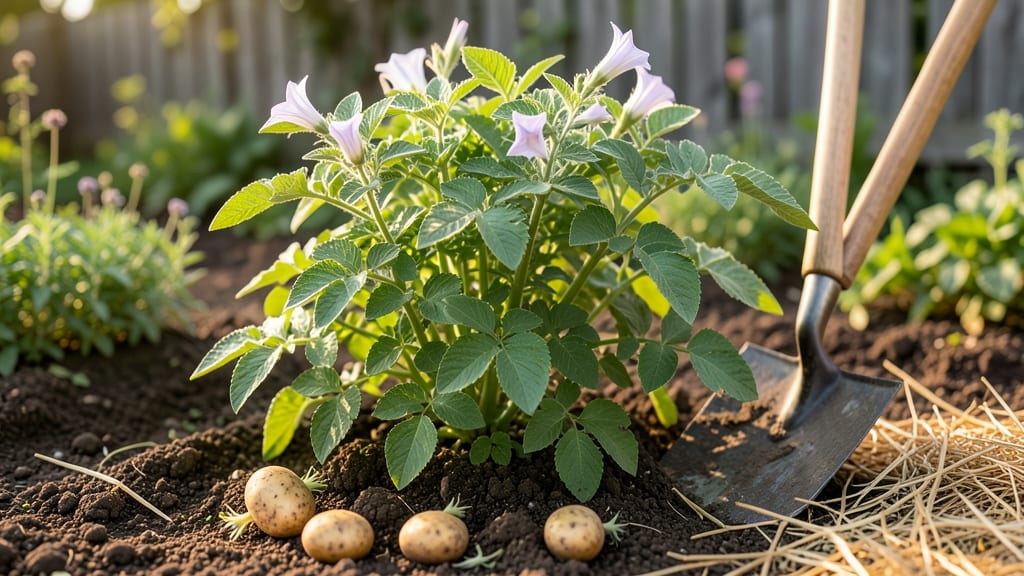
If you’ve ever wondered when to plant potatoes in NC, the answer isn’t just about the calendar—it’s about catching that sweet spot between frost and soil warmth. North Carolina’s varied climate zones mean your neighbors might be digging spuds while you’re still waiting for the ground to thaw.
The key? Planting at the right temperature to avoid stunted growth or wasted effort.
I’ve tested this firsthand, and the difference between a fast, thriving potato patch and one that lingers is often just a matter of timing.
Whether you’re a first-time gardener or a seasoned grower, knowing when to drop those seed potatoes into the earth can mean the difference between a bumper crop and a disappointing harvest. Let’s break down the best windows and soil tricks to get your 🥔 off to a flying start.
Most gardeners in NC aim for planting between two to four weeks before the last expected frost, but there’s more to it than that. Soil temperature plays a bigger role than many realize—cold soil can delay sprouting for weeks.
I’ll share how to check your soil’s readiness and adjust your planting schedule for your specific zone, so you’re not left waiting on slow starts.
From early varieties that brave cooler soils to late-season spuds that stretch into summer, we’ll cover the best planting times for each. Plus, I’ll reveal my top tips for speeding up germination, because nobody wants to spend all spring watching dirt instead of harvesting.
Ready to turn your garden into a potato powerhouse?
NC potato planting calendar: best months by frost zone
North Carolina’s diverse climate—from the mountains to the coast—means potato planting times vary dramatically. The key is your USDA frost zone, which dictates when to plant early, mid-season, or late varieties.
Most NC gardeners fall into zones 5a-8a, with last frost dates ranging from late February (coastal) to mid-April (mountains).
For early varieties (like Yukon Gold), aim to plant 2-3 weeks before your last frost date. These spuds tolerate cooler soil and faster sprouting. Mid-season types (e.g., Red Pontiac) need warmer soil (50°F+) and go in 2-4 weeks after last frost.
Late varieties (like Purple Viking) wait until late May to avoid blight risks.
🌱
Pro tip: Use a soil thermometer to confirm 45°F+ soil temps before planting. Cold soil delays sprouting, even if air temps are warm. In zone 5a, I’ve seen potatoes take 3 weeks longer to sprout when planted in 40°F soil versus 50°F.
Adjust for container gardening too—pots warm up faster than ground soil. Start 2 weeks earlier in containers if your zone has late frosts. Just ensure pots have drainage holes to prevent rot.
If you’re in zone 7a or warmer, you can also plant a fall crop in August for harvest by October. Use early-maturing varieties like Red LaSoda to beat the first frost.
🌿
Watch for false springs—those warm spells in March that trick you into planting early. A late frost can kill emerging sprouts overnight. I lost my first Yukon Gold batch in zone 6a after a 28°F dip in April.
Now, I wait until after April 15th unless I’ve got row covers ready.
For organic gardeners, add compost or aged manure 2 weeks before planting to boost soil warmth. The microbial activity generates extra heat, helping roots establish faster. Aim for 1-2 inches of compost mixed into the top 6 inches of soil.
🌡️
Don’t forget: Potato blight thrives in NC’s humid summers. Plant late varieties in high elevations (like the Blue Ridge Mountains) to avoid fungal risks. If you’re in zone 7a or below, consider resistant varieties like Kennebec or Adirondack Red.
Finally, mark your calendar for harvest time: 100-120 days after planting, depending on variety. Early potatoes (like New Potatoes) can be dug as soon as 60 days for tender skins.
Soil temperature tricks to speed up potato sprouting in NC
North Carolina’s spring can be a waiting game—one day it’s 70°F and sunny, the next it’s a chilly 40°F with overnight frost. For potatoes, soil temperature is the real game-changer, not just the calendar date.
I’ve learned the hard way that planting too early in cold soil can delay sprouting by 3-4 weeks, turning your eager anticipation into a season of watching dirt instead of harvesting. The magic number? 45°F for planting and 50°F+ for reliable sprouting.
Most gardeners focus on frost dates, but I’ve found that soil thermometers are just as critical. A quick check in the morning (4-6 inches deep) will tell you if your soil is ready. If it’s below 45°F, your seed potatoes might just sit there, waiting for warmer conditions.
In my Zone 7b garden, I’ve seen sprouts appear in just 10 days when soil hits 50°F, compared to a frustrating 3-week wait when I planted too soon.
Here’s my foolproof method for warming up cold soil faster: start by adding a 2-inch layer of straw mulch or black plastic over the planting area 1-2 weeks before you plan to plant. This traps heat from the sun and raises soil temps by 5-10°F.
For an extra boost, use row covers or even a simple cold frame (a DIY box with clear plastic) to create a mini greenhouse effect. I’ve seen soil temps jump from 42°F to 55°F in just 48 hours with this trick!
- 🌡️ Test soil depth at 4-6 inches—surface temps can be misleading.
- ☀️ Use black plastic for 1-2 weeks before planting to warm soil by 10°F.
- 🪴 Add compost (1 inch) to raise temps naturally while improving fertility.
- 🌿 Mulch with straw after planting to maintain warmth and moisture.
- ✂️ Cut seed potatoes 1-2 days before planting to let wounds heal and sprout faster.
If your soil is stubbornly cold, don’t despair—container growing is a great workaround. Fill pots with a mix of potting soil and compost, place them in a sunny spot, and watch the soil warm up faster than in-ground beds.
I’ve grown Yukon Gold potatoes in containers during cooler springs, and they sprouted just as reliably as in-ground plants. Just make sure your containers are at least 12 inches deep to accommodate growing tubers.
One common mistake I see is overwatering cold soil, which can actually slow down sprouting. When soil temps are below 50°F, water just enough to keep the soil moist but not soggy.
Once temps hit 55°F+, you can increase watering to 1 inch per week. I’ve also noticed that morning watering (before 9 AM) helps prevent fungal diseases that thrive in damp, cool conditions.
Pro tip: If you’re in Zone 5a-6a (western NC mountains), aim to plant by mid-April when soil finally warms up. In Zone 7b-8a (coastal and Piedmont), you can start as early as late February to early March under row covers.
The key is to plant when soil hits 45°F and sprouts appear within 10-14 days. If you’re still waiting after 3 weeks, it’s time to try one of these warming tricks!