
Plants
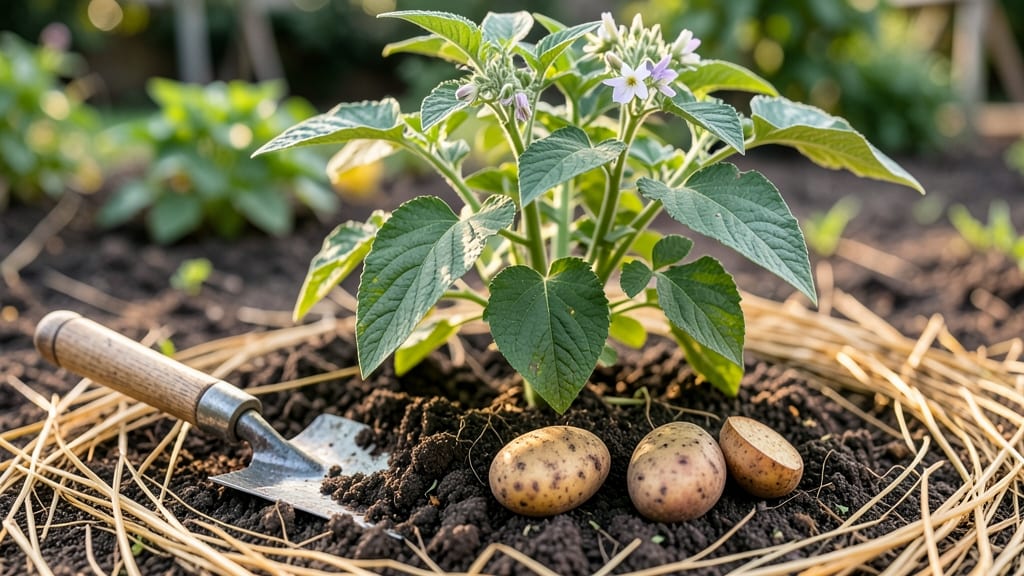
Planting potatoes in Louisiana isn't just about timing—it's about beating the heat and humidity to get a bountiful harvest before summer stress sets in.
With the right schedule, you can avoid the common mistake of planting too late and ending up with stunted tubers or even worse, a total crop failure.
The key lies in understanding Louisiana's unique climate in zones 8a-9b. Unlike cooler regions, early spring is your golden window—typically between February and March—when soil temperatures are just right for those first sprouts.
But don't rush; late varieties can go in through April, giving you flexibility for a staggered harvest.
I've learned the hard way that skipping soil prep or ignoring local weather patterns can turn a promising potato patch into a soggy disappointment. The right timing means healthier plants, fewer pests, and tubers that grow strong enough to resist Louisiana's summer heat.
Let me show you exactly how to nail it.
Whether you're a first-time gardener or a seasoned grower, these heat-zone-specific tips will help you plan for success. From choosing the right varieties to adjusting for unpredictable rain, you'll discover the secrets to a thriving 🥔 harvest that lasts from spring through summer.
Louisiana’s best potato planting months by heat Zone (Zone 8a-9b)
Louisiana’s humid subtropical climate creates unique challenges for growing potatoes—especially when it comes to timing. Unlike northern states, we don’t have to worry about harsh winters, but we do face intense heat and humidity that can stress potato plants if planted too late.
The key is working with Louisiana’s Zone 8a-9b conditions to maximize your harvest before summer’s relentless heat sets in.
Most gardeners in Louisiana focus on two main planting windows: early spring (February-March) and late summer (August-September). The early window gives you a chance to harvest before the heat peaks, while the late window lets you take advantage of cooler fall temperatures.
Let’s break down the best times for each heat zone and variety type.
🌱 Did You Know?
Here’s a detailed breakdown of the best planting months for Louisiana’s two primary heat zones, including how to adjust for microclimates like the cooler northern parishes versus the hotter southern regions.
If you’re in Zone 8a (northern Louisiana), you can start planting as early as mid-February for early varieties like ‘Yukon Gold’ or ‘Red Pontiac.’ These potatoes will be ready to harvest by late May or early June, just as the summer heat begins to ramp up.
For late varieties, aim for mid-March to early April to give them enough time to mature before the heat becomes overwhelming.
Gardeners in Zone 9b (southern Louisiana) should wait until late February or early March to plant early varieties. The warmer climate means the growing season starts earlier, but it also means you’ll need to act faster to avoid heat stress.
Late summer planting (August-September) is a great strategy for Zone 9b gardeners, as it allows you to take advantage of cooler fall temperatures for a second harvest
Louisiana’s best potato planting months by heat Zone (Zone 8a-9b)
Louisiana’s humid subtropical climate creates a unique challenge for potato growers. Unlike cooler northern states, our long growing season and high summer temperatures demand precise timing. Plant too early, and you risk disease pressure from spring rains.
Plant too late, and your tubers won’t mature before the heat sets in. The sweet spot? February through April, with adjustments based on your specific heat zone.
In Zone 8a (northern Louisiana), where last frost typically hits around February 15, aim to plant early varieties like 'Yukon Gold' in late January to early February. This gives them 90-120 days to mature before summer stress peaks.
For Zone 9b (southern Louisiana), push planting back to mid-February to March to avoid the brutal summer heat that can cause tuber shriveling.
Here’s the key: Louisiana’s frost-free period averages 240 days, but summer’s relentless heat shortens the ideal window. Early plantings (February) focus on short-season varieties (60-90 days), while March-April plantings can handle longer-season types (90-120 days). The goal? Harvest before consistent 90°F+ temperatures stress your plants.
| Planting Window | Best Varieties | Days to Harvest | Key Notes |
|---|---|---|---|
| Late January - Early February | 'Red Pontiac', 'Kennebec' | 60-90 days | Early harvest; ideal for Zone 8a |
| Mid-February - March | 'Yukon Gold', 'Russet' | 90-120 days | Balanced for Zones 8a-9b |
| March - Early April | 'Sweet Potato', 'Purple Viking' | 100-130 days | Riskier; plant for late summer harvest |
Don’t overlook microclimates—your backyard might be cooler or warmer than the official zone average. For example, areas near lakes or rivers stay cooler longer, allowing a 2-week extension for early plantings.
Conversely, urban heat islands can push back planting by 1-2 weeks. Test your soil temperature: potatoes thrive when soil reaches 45-55°F.
One common mistake I see? Planting seed potatoes too deep or too shallow. In Louisiana’s heavy clay soils, aim for 4 inches deep and 12 inches apart in rows.
This prevents tuber rot from excess moisture while allowing room for hill-building as plants grow. After sprouts emerge, mound soil around stems to encourage more tuber formation.
Timing isn’t just about months—it’s about weather patterns. Check the National Weather Service for Louisiana’s outlook in January. If a warm winter is forecasted, delay planting until after February 15 to avoid early sprouting in cold, wet soil. The goal? Healthy, disease-free plants ready to thrive when summer arrives.