
Plants
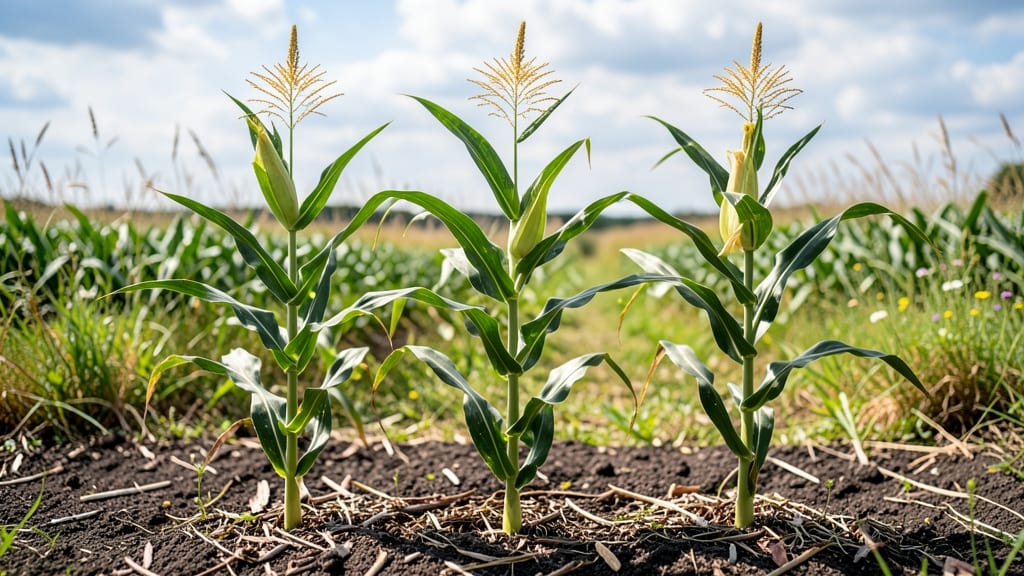
When you picture a corn plant 🌽, do you imagine how tall a corn plant can grow—towering stalks that could rival a basketball hoop—or maybe just a modest backyard shrub?
The truth is, corn height varies wildly depending on the variety, and knowing this can make or break your harvest.
Most gardeners expect their corn to reach between 6 and 10 feet, but dwarf varieties can stay as short as 3 feet, while field corn can soar to 12 feet or taller.
Whether you're growing sweet corn for dinner or ornamental varieties for decoration, understanding these differences is the key to maximizing space and yield in your garden.
But it’s not just genetics at play—soil quality, sunlight exposure, and even watering habits can push your plants toward their full potential or leave them stunted.
I’ll break down exactly how to help your corn grow tall and strong, plus when to support those stalks to prevent them from toppling under the weight of their ears.
Ready to transform your garden into a cornfield that commands attention? Let’s dive into the factors that shape corn height and how you can optimize them for a bountiful harvest.


Corn plant height by variety: from dwarf to towering giants
Corn plants are architectural marvels in the garden, with heights ranging from compact dwarf varieties to towering giant stalks that rival basketball hoops. The height you can expect depends entirely on the corn variety you choose, as genetics set the foundation for growth potential.
Whether you're growing sweet corn for dinner or ornamental corn for decoration, understanding these differences helps you plan your garden layout and support structures.
Most home gardeners are familiar with the classic 6-10 foot corn stalks that dominate commercial fields, but not all corn plants reach these heights. Some varieties stay as short as 3-5 feet, making them perfect for small gardens or container growing.
The key is selecting a variety that matches your space and growing goals—whether that’s maximizing yield or creating a whimsical garden feature.
Here’s a breakdown of how different corn varieties stack up in height, from the shortest to the tallest, along with their common uses and growing tips to help you achieve their full potential.
| Variety Type | Height Range | Common Uses | Growing Notes |
|---|---|---|---|
| Dwarf Sweet Corn | 3–5 ft | Small gardens, containers, early harvests | Ideal for short seasons; needs less support |
| Semi-Dwarf Sweet Corn | 5–7 ft | Home gardens, trellising, high yields | Balances height and productivity; may need light staking |
| Standard Sweet Corn | 6–10 ft | Traditional harvests, large gardens | Requires sturdy support; needs ample space |
| Field Corn (Grain) | 8–12 ft | Animal feed, livestock, large-scale farming | Tallest variety; needs strong wind resistance |
| Popcorn | 5–9 ft | Snacks, ornamental displays, small gardens | Drought-tolerant; may need light pruning |
| Ornamental Corn | 4–10 ft | Garden decor, fall displays, pollinator attractors | Colorful varieties; may not produce edible ears |
If you’re growing sweet corn for your family’s dinner table, semi-dwarf varieties like 'Silver Queen' or 'Peaches and Cream' strike a great balance between manageable height and productivity. These stalks typically reach 5-7 feet, making them easier to handle than their taller counterparts while still delivering a bountiful harvest.
For those with limited space, dwarf varieties such as 'Little and Lovely' or 'Tom Thumb' are game-changers. These corn plants max out at 3-5 feet, perfect for containers or small garden plots. They’re also ideal for early-season planting, allowing you to enjoy fresh corn sooner without sacrificing flavor.
On the opposite end of the spectrum, field corn varieties like 'Pioneer Brand 33B38' can soar to 12 feet or taller, making them unsuitable for most home gardens. These giants are bred for animal feed and require robust support to prevent lodging (falling over).
If you’re curious about growing field corn, consider planting it in a dedicated corner of your garden with sturdy stakes or a trellis system.
Ornamental corn adds a splash of color and texture to gardens, with varieties like 'Black Aztec' or 'Rainbow' reaching heights of 6-10 feet. While they may not produce edible ears, their striking appearance makes them a favorite for fall displays and pollinator-friendly gardens.
Plus, they’re just as easy to grow as sweet corn, provided they get enough sunlight and water.
When selecting your corn variety, consider not just height but also maturity time, disease resistance, and local climate suitability. For example, shorter varieties may mature faster in cooler climates, while taller ones thrive in long, hot summers.
Always check seed packets for days to maturity to ensure you’re planting at the right time for your growing zone.
🌽
Factors that influence corn plant height beyond genetics
Corn plants may have genetic height limits based on their variety, but environmental factors can push them toward their potential—or hold them back. Sunlight exposure, for example, is non-negotiable: corn needs 6-8 hours of direct sunlight daily to reach its full height.
Even partial shade can stunt growth by 20-30%, leaving stalks leggy and weak. My own backyard corn once maxed out at just 5 feet because of afternoon shade from a nearby oak tree.
Soil quality is another game-changer. Corn thrives in well-draining, nutrient-rich soil with a pH between 6.0 and 7.0. Compacted or poor soil can restrict root development, limiting the plant’s ability to absorb water and nutrients needed for vertical growth. I’ve seen dwarf varieties grow taller when planted in loose, compost-amended soil compared to their same-variety neighbors in heavy clay.
- Sunlight: 6-8 hours daily = full height; <4 hours = stunted growth
- Watering: Consistent moisture (1-2 inches/week); drought = weak stalks
- Spacing: 12+ inches apart prevents competition for nutrients
- Fertilizer: Balanced NPK (10-10-10) boosts height by 1-2 feet
- Climate: Warm temps (70-85°F) accelerate growth; cool nights slow it
Watering habits directly impact height, too. Corn plants need 1-2 inches of water per week, especially during tasseling and ear development. Uneven watering—like deep soaks followed by drought—can cause uneven growth, where some stalks stretch taller while others lag. I once overwatered my corn patch, leading to fungal issues and stalks that grew lopsided and weak.
Proper spacing is often overlooked but critical. Crowded corn plants compete for sunlight and nutrients, resulting in shorter, thinner stalks. The rule of thumb? Space seeds 4-6 inches apart in rows 30-36 inches apart. My first attempt with corn planted too closely yielded ears only half the expected size—and stalks that barely reached my waist!
Climate and temperature also play a role. Corn grows fastest in warm weather (70-85°F). Cooler nights can slow growth, while heatwaves may cause bolting (rapid, unchecked height growth) that weakens the stalk. In my Zone 6a garden, I’ve found that planting after the last frost (around April 15) ensures optimal conditions for reaching full height.
Finally, fertilization timing matters. A balanced fertilizer (10-10-10) applied at planting and again during ear development can add 1-2 feet to mature height. Over-fertilizing with nitrogen, however, leads to leafy growth at the expense of stalk strength.
I learned this the hard way when my corn grew tall but floppy, snapping in a breeze.
By tweaking these factors, you can coax even dwarf varieties to grow taller—or help tall hybrids reach their skyward potential. The key? Pay attention to your corn’s environment and adjust as needed. With the right conditions, those 10-foot stalks aren’t just a dream—they’re a harvest waiting to happen! 🌽